A wood fire is one of the simple pleasures of the colder months, and keeping it that way takes a little care behind the scenes. If you searched for “wood stove repair”, you are probably weighing what your wood stove needs now and what can wait. This page gathers straight answers for homeowners in Edmonton about wood-burning stove repair: what a technician looks at, what tends to wear out and which small habits keep fires burning cleanly between visits.
A stove that burns too hot or too fast is usually getting more air than it should. The common causes are a worn door or glass gasket, a warped door, a damaged air control, a missing or cracked baffle and gaps in the stove body. A very strong chimney draft can add to the problem. Signs include a fire that roars even with the air turned down, glowing parts and wood disappearing much faster than usual. Running a stove this way can warp parts and overheat nearby materials, so a “wood stove repair” check is worth booking before the next long burn.
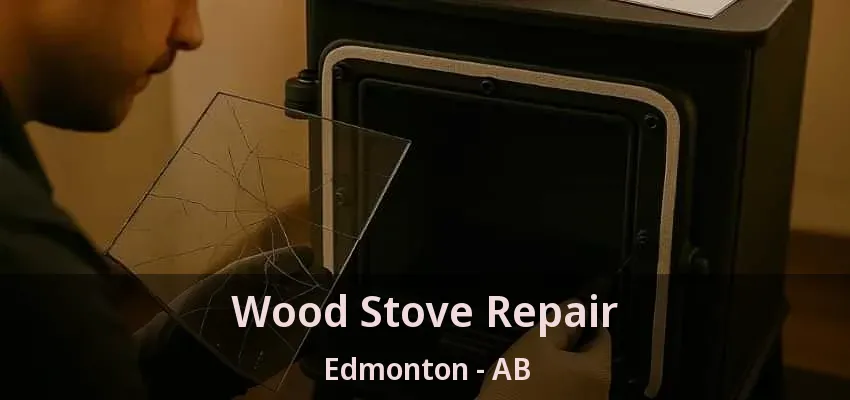
The main warning signs are smoke escaping into the room, a fire that is hard to control and visible damage to the stove. Watch for smoke leaking around the door or glass, a door that closes without a snug feel, glass that blackens within a single fire and a fire that keeps roaring even with the air control turned down. Cracked or crumbling firebricks, a warped baffle near the top of the firebox and rusted or loose stovepipe sections are also red flags. Because a leaking stove can release carbon monoxide, keep alarms working and stop using the stove until it is checked.
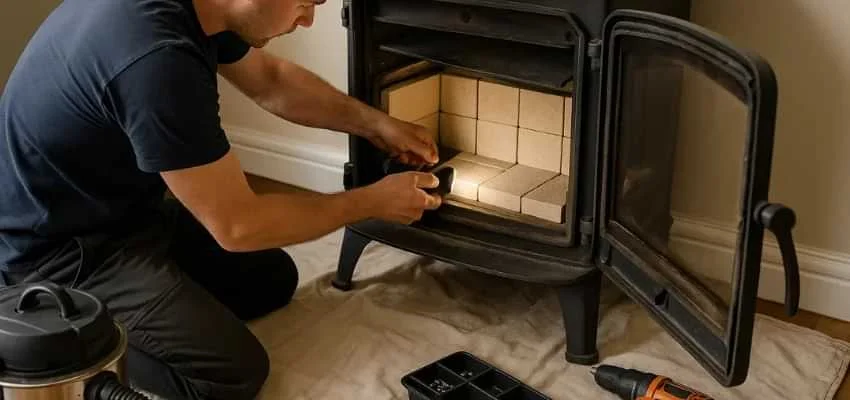
Most stove repairs we handle are replacements of wear parts rather than major surgery. A stove heats and cools again and again through a season, and the parts that take the most punishment are built to be swapped. Door rope is usually first, since a tired gasket changes how the whole stove burns. Firebricks crack from heat and from logs dropped in too hard. Baffle boards and secondary air tubes warp when a stove has been run too hot. We also replace handles, latches and hinges that loosen, and reseat glass that has shifted in its frame. A cracked body is a bigger conversation.
The old rope gasket is pulled out of its channel, and the channel is scraped clean of old cement. A new fiberglass rope of the correct diameter and density is set into a bead of high-temperature gasket cement, pressed into place and trimmed so the ends meet without overlapping. The door is then closed to seat the rope, and the stove is run with small fires at first while the cement cures. A simple test afterward is closing the door on a strip of paper: it should be hard to pull out at several points around the door.
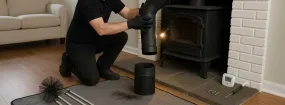
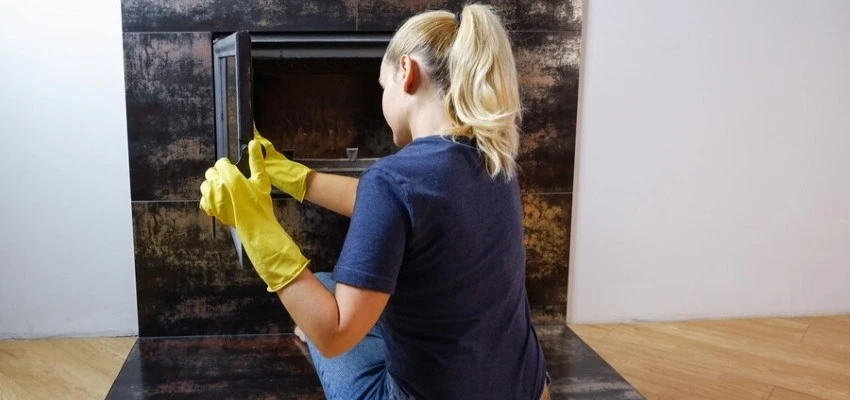
Cleaning a wood stove covers the stove itself, the stovepipe that connects it to the chimney and the chimney flue. The technician typically removes the ash, lifts or takes out the baffle near the top of the firebox so the deposits behind it can be cleared, and brushes or removes the stovepipe sections, where creosote often collects at elbows. The chimney is then brushed from the top or bottom while a vacuum contains the dust. Door and glass gaskets get a quick check, and the glass is cleaned. Everything is reassembled with the joints snug before the next fire.
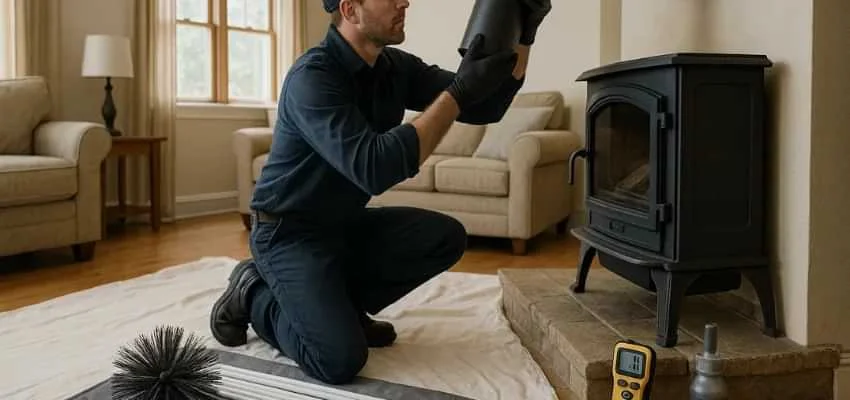
A common guideline is to have the chimney inspected once a year and swept whenever buildup calls for it, which for many households also works out to about once a year. Homes that burn a fire most evenings through the colder months may need a sweep more often, sometimes partway through the season, while a fireplace used a few times a year may go longer between cleanings. Wood stoves used as a main heat source tend to build up creosote faster. Damp wood, smoldering fires and cold outside chimneys all shorten the interval, so let the yearly check guide the schedule.
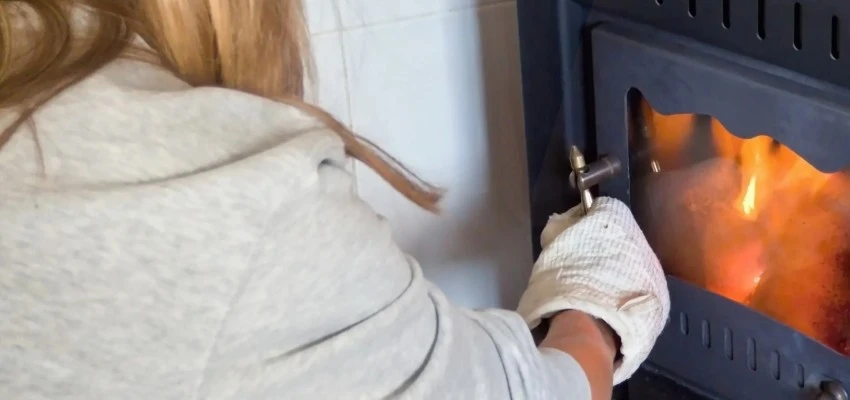
Burning dry wood with enough air and keeping an eye on the stove’s condition keep it running well between cleanings. Give each new fire a hot start with the air control open, then turn it down gradually rather than shutting the air right down overnight, which produces more creosote. A stove thermometer on the pipe or top helps you stay out of both the smoldering range and the overfiring range. Empty the ash pan regularly, wipe the glass when it is cool and check that the door still latches firmly. If smoke escapes or the glass blackens quickly, book a check.
It varies with the material, and we give every customer a specific answer before we leave. Mortar holds moisture after it is laid, and a roaring fire drives that water out too fast, which can crack fresh joints or pop new firebrick. That is why we suggest waiting through the full cure period and then building a few small, short fires to bring everything up to temperature gradually. Stove repairs follow the same idea on a smaller scale: a new rope gasket, for example, settles in over a couple of gentle burns. Caps, screens and dampers can be used immediately.
Ask for evidence and a written scope, and get a second opinion when the work is large, such as a new liner, major masonry or chimney work, or replacing a stove. The first company should provide photos or camera footage, a plain description of the problem and a list of what will be removed, rebuilt or replaced. A clear quote names the materials, explains how the cause of the damage will be addressed and states what is not included. If two companies disagree, ask each to explain its reasoning; the one that can show you the problem usually deserves more weight.
A few details help us plan the right visit:
Send us your details and we will reply with next steps for wood-burning stove repair in Edmonton.
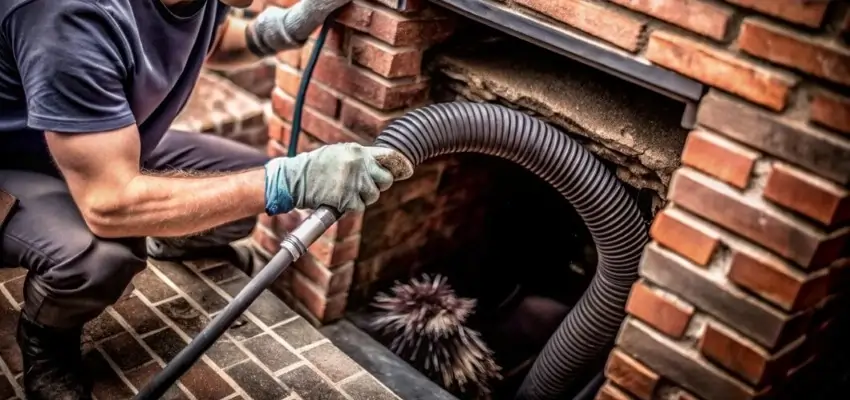
Less smoky smell, steadier flames: Chimney Cleaning around Edmonton
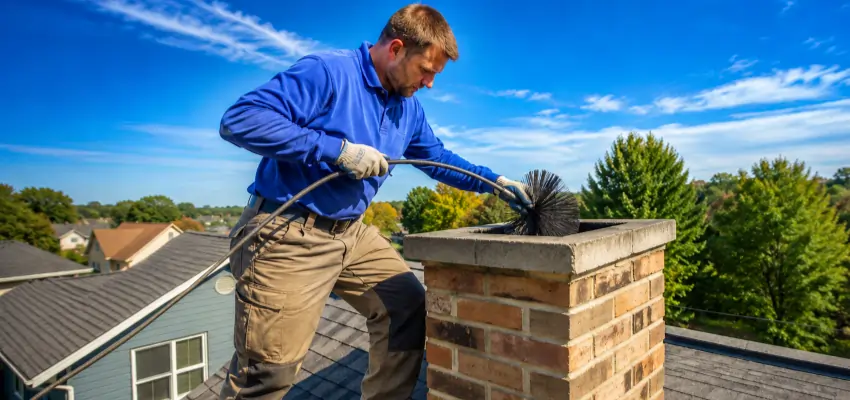
Creosote cleared, flue inspected: Chimney Sweep for Edmonton
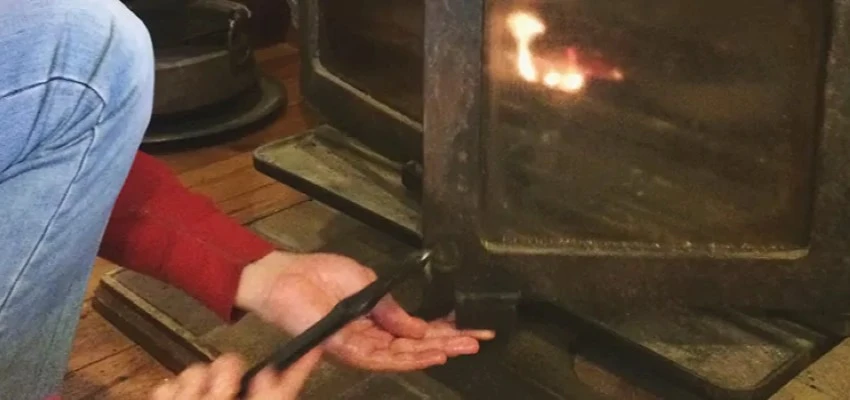
What's included in Chimney Sweep Services around Edmonton?
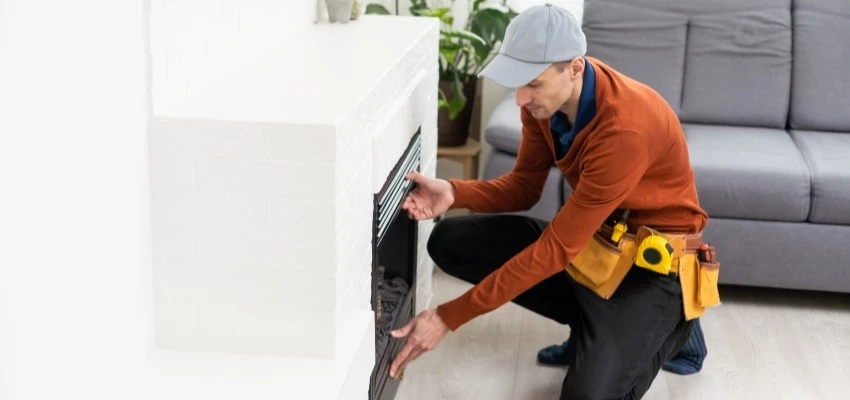
Before relighting in Edmonton, a visit from Fireplace Experts
Gas Fireplace Cleaning, glass to burner ports
Burner ports, pilot hood, glass: Gas Fireplace Maintenance around Edmonton