From the street, most chimneys look fine. The trouble, when there is any, usually sits inside the flue or at the very top where nobody looks: dark crusts of buildup, a cracked tile, a nest, a cap loosened by the wind. If you found this page by looking up “wood stove chimney services”, here is what owners in Edmonton should know about wood stove chimney care, explained clearly and without exaggeration so you can decide what your chimney needs.
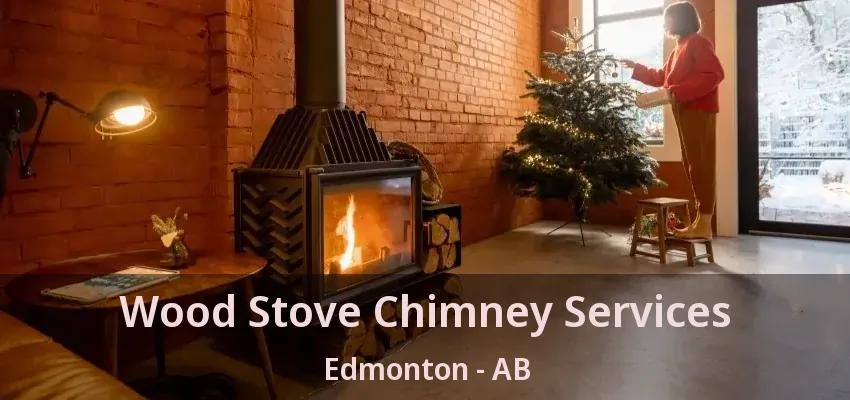
The system starts at the stove’s flue collar, where the connector pipe, often called stovepipe, attaches. That pipe runs to either a wall pass-through or a ceiling support, then joins the chimney itself, which may be a lined masonry flue or an insulated, factory-built metal chimney. At the top, a cap keeps out rain and animals. Each joint and transition is a point where creosote can gather or a seal can fail. Asking for “wood stove chimney services” means caring for every one of those pieces, not just the visible pipe above the stove.
Smoke spills in when the draft is weaker than the push of the fire, and we usually trace it to one of a few causes. In tight, well-sealed houses, exhaust fans and dryers create enough suction that the chimney becomes an air intake instead of an exhaust. Short chimneys, nearby trees or a taller roofline beside the stack can disturb the airflow at the top. Inside the flue, heavy creosote, a nest or fallen debris narrows the path. Sometimes the fireplace opening is simply too large for the flue. Finding which one applies takes a look from both ends, and the fix ranges from a habit change to a repair.
A wood stove chimney is cleaned by sweeping the stovepipe, the chimney flue above it and the spots inside the stove where soot and creosote gather, all with the stove completely cold. Depending on the setup, the technician may take the pipe apart, sweep through the stove from below or clean from the roof. The baffle plate inside many stoves is lowered or removed so the passage above it can be cleared. Brushes are chosen to suit the chimney, whether a lined masonry flue or an insulated metal chimney. Expect a quick look at the door gasket, the pipe joints and the cap before everything goes back together.
Most wood stove chimneys need sweeping at least yearly, often more frequently than an open fireplace, and we base the schedule on how the stove is used rather than a fixed date. A stove that runs day and night through the coldest months can coat its pipe and flue in a matter of weeks if the wood is damp or the air control is turned right down. For those homes we often suggest a sweep before the season and a quick inspection midwinter. A stove lit mainly on weekends may be fine with one visit a year. After a few seasons of notes, the right interval becomes obvious.
The cost of chimney work depends mostly on how many flues are involved, how easy they are to reach and how much each one needs. A single fireplace flue on a low roof costs less than a tall chimney on a steep roof or a building with several flues. Stoves and inserts that must be disconnected take longer. Heavy or glazed creosote, a blockage or an animal problem adds time and sometimes a return visit. Camera inspections, written reports, caps and repairs are often priced separately. Ask for a written quote that lists what is included so you can compare companies fairly.
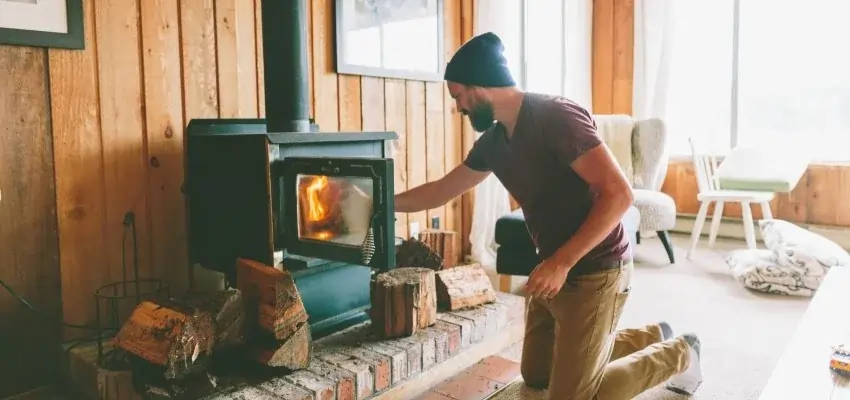
Someone usually needs to be home during a chimney visit, because most of the work starts at the fireplace or stove inside. An adult who can let the technician in, show where the appliances are and answer a few questions is enough. Try to be around at the end too, when the findings are explained and you can ask about anything that was noted. Roof-only tasks, such as checking a cap, can sometimes be done while you are out, but agree on that in advance. Landlords can arrange for a tenant or property manager to be present instead.
Yes. Any new installation, relocation or swap of one stove for another changes how the system works, so it deserves a professional look before regular use. The technician checks that the connector pipe is the right size and properly secured, that the chimney suits the new stove and that clearances to walls, floors and furniture follow the stove maker’s instructions. Hearth protection under and in front of the stove matters too. If you are arranging “wood stove chimney services” after a renovation, mention any changes to nearby walls or flooring, since those can affect clearances as well.
Some owners do sweep their own chimneys, but we see enough DIY mishaps to suggest leaving the flue to a professional. Wire brushes can scratch stainless steel liners, and rods pushed from below without a vacuum spread soot through the room. Falls from roofs are a real risk. Sweeping logs can make loose creosote flakier so it drops more easily, which helps between visits, yet the debris still has to come out and the flue still needs a look. The parts we encourage owners to handle are good burning habits and visual checks; cleaning and inspecting are where trained eyes and proper tools pay off.
If the sweep finds damage, ask to see it, ask what it means for safety and get a written quote before you agree to anything, since a sound recommendation can always be shown and explained. Photos or camera footage should make the problem clear. Ask whether the fireplace or stove can be used in the meantime, and which repairs are urgent and which can be planned. Common findings include a cracked crown, loose flashing, a rusted damper, a missing cap or cracked flue tiles. For larger jobs, such as relining, a second opinion is reasonable. Avoid deciding under pressure on the doorstep.
That is a smart move. Ask each company what is included, how long the visit takes and what you will be shown afterward. We are happy to answer those questions in writing. Request a detailed quote from Chimney Sweep Edmonton for your home in Edmonton.
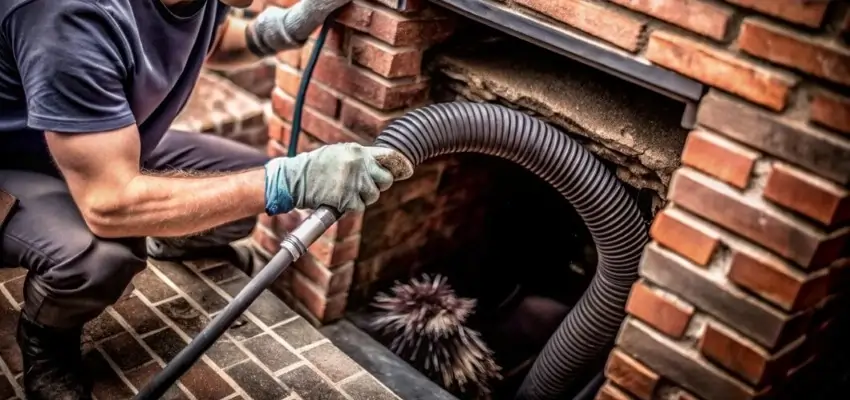
Less smoky smell, steadier flames: Chimney Cleaning around Edmonton
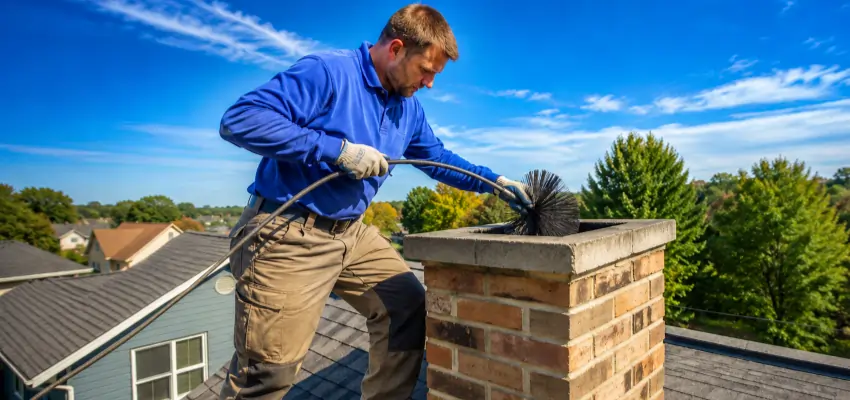
Creosote cleared, flue inspected: Chimney Sweep for Edmonton
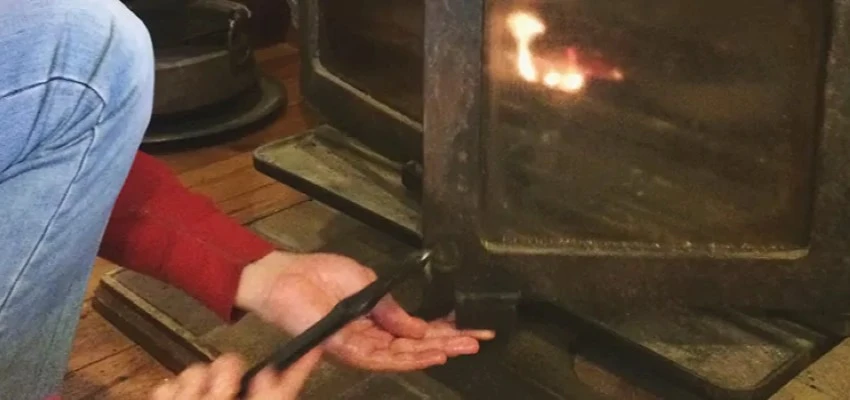
What's included in Chimney Sweep Services around Edmonton?
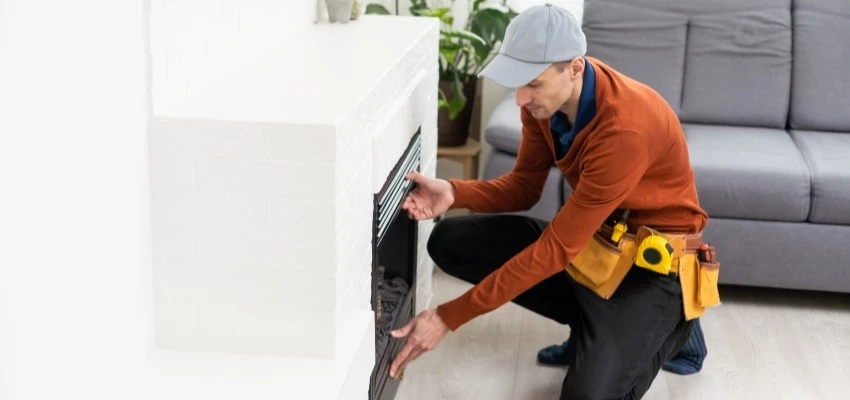
Before relighting in Edmonton, a visit from Fireplace Experts
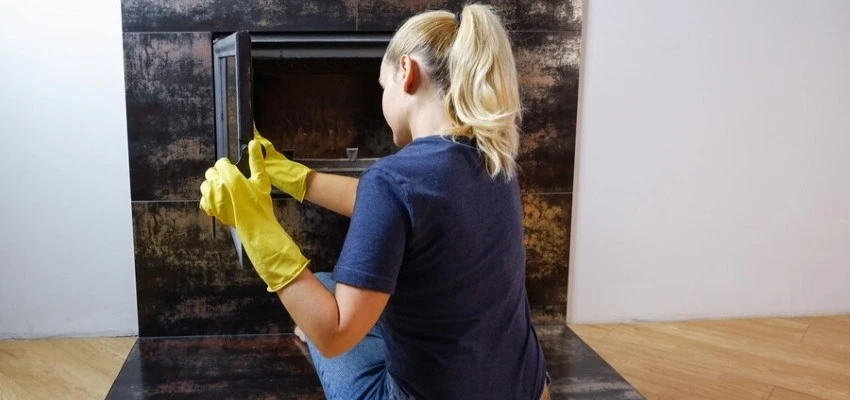
Gas Fireplace Cleaning, glass to burner ports
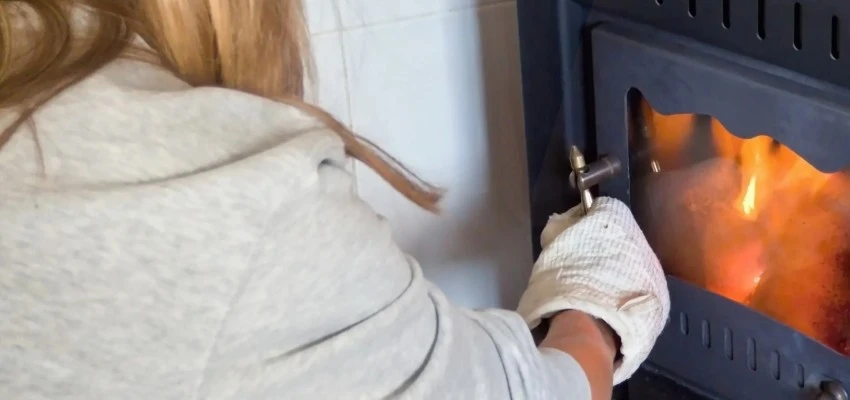
Burner ports, pilot hood, glass: Gas Fireplace Maintenance around Edmonton