When homeowners in Edmonton search for “travis industries fireplace”, they usually want three things answered: what is wrong, whether it can be fixed and what the work will involve. The answers below take those questions one at a time, for gas fireplaces, inserts and wood-burning stoves, without a sales pitch. Read the parts that match your unit and you will go into any conversation about Travis Industries stove and fireplace service knowing which details matter and which ones do not.
The main difference is how each one fits the house, which decides how much room we have to work. An insert lives inside an older fireplace opening, wrapped by a surround panel and tied to a chimney liner, so its controls, blower and connections are packed into a tight space. When a part fails behind the firebox, we may need to pull the insert forward, which takes care and sometimes a second pair of hands. A freestanding stove lets us work from the sides and back, and its flue connection is easy to see. The repair itself is similar; the setup time is what changes.
Travis Industries sells its stoves, inserts and fireplaces under several product line names, including Lopi, Avalon and FireplaceX, so the badge on the front may not say Travis at all. That is why people searching for “travis industries fireplace” sometimes cannot find their unit by name. The rating label, usually on the back of a stove or behind the lower panel of a fireplace or insert, lists the manufacturer, the model and the fuel type. With that information, a technician can find the right manual and parts. Chimney Sweep Edmonton works on these units as an independent service company, not as a representative of the manufacturer.
Smoke in the room comes from one of two things: a leak or weak draft. To find a leak, we close the door on a strip of paper at several points; if it slides out easily, the gasket is no longer sealing. We also look at the glass gasket and the seams where plates meet. For draft, we check the flue for creosote or a blocked cap, look at how the stovepipe is routed and ask how fires are started. A cold chimney, a tight house with exhaust fans running and damp wood can each make a perfectly good stove smoke.
Cloudy glass can be harmless or a clue, depending on its color. The chalky white film we see on gas fireplaces builds up gradually and mostly affects appearance, though left for years it can bake on for good. Black soot is the one we pay attention to, because carbon forms when the flame is not getting the air or gas mix it needs. That sends us to the burner ports, the log or media layout and the vent. On wood stoves, dark glass after every fire usually points to low air settings or firewood that has not dried long enough.
A catalytic combustor is a coated, honeycomb-shaped part that helps smoke burn at lower temperatures, so the stove can burn longer and cleaner on a moderate setting. Not every wood stove has one; your manual says whether yours does. Over time the coating wears out, the honeycomb can crack or clog with fly ash and the stove starts to smoke more or burn through wood faster. A technician can inspect the combustor, clean it gently and replace it when it is worn. Never knock or brush it hard, and keep paint, trash and treated wood out of the fire, since they damage the coating.
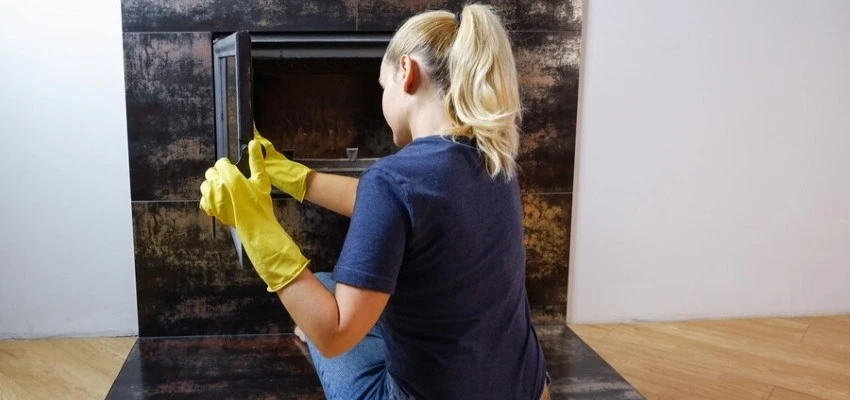
A thorough gas fireplace check covers the parts that keep the flame clean and the exhaust moving outdoors. Typical steps include cleaning the pilot assembly and burner, testing the ignition and flame sensor, checking gas connections for leaks and confirming the flame looks right. On sealed units, the glass is removed, cleaned and its gasket inspected. Logs or decorative media are set back in the layout the manual shows, since misplaced pieces cause soot. Outside, the vent termination should be clear of nests, plants and debris. Ask for a short summary of what was found and anything that needs attention.
Most of the difference comes down to three things: the part, the access and the time it takes to find the fault. Parts vary widely, and an electronic module or valve costs far more than a gasket kit. Access matters because an insert boxed in by stone, or a stove squeezed into a tight alcove, takes longer to open up than a unit with room around it. Intermittent faults take the most diagnosis, since we may need to run the fireplace through several cycles to catch the problem. We explain those factors before starting and price parts and labor separately.
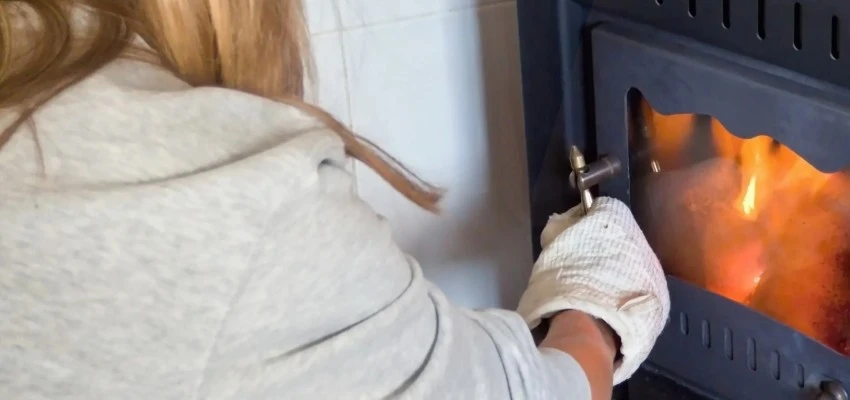
The most helpful thing is a cold, clear fireplace. We cannot safely open a unit that is still hot, so a gas fireplace switched off a few hours early and a stove left unlit since the day before save real time. We also need room to lay down drop cloths and set out tools, which means moving furniture, mantel décor and anything on the hearth. Outside, a clear route to the vent cap helps. If your fireplace has a wall switch, remote or thermostat, keep it handy. Pets tend to be happier in another room while panels come off.
The biggest advantage shows up on the second visit. Plenty of fireplace jobs go diagnose, order, return, and a crew that works close by fits that return trip in without much delay. Working one area also means we see the same builders’ choices again and again: the same models in a subdivision, similar venting routes and the same weak spots. That familiarity speeds up diagnosis. It also means you are dealing with people you can reach directly if the fireplace acts up after the repair, rather than a booking line that passes the job along.
After the visit you get a short summary of what we found, what we did and anything worth planning for later. It makes future decisions about your fireplace much easier. Book with Chimney Sweep Edmonton and keep it on file.
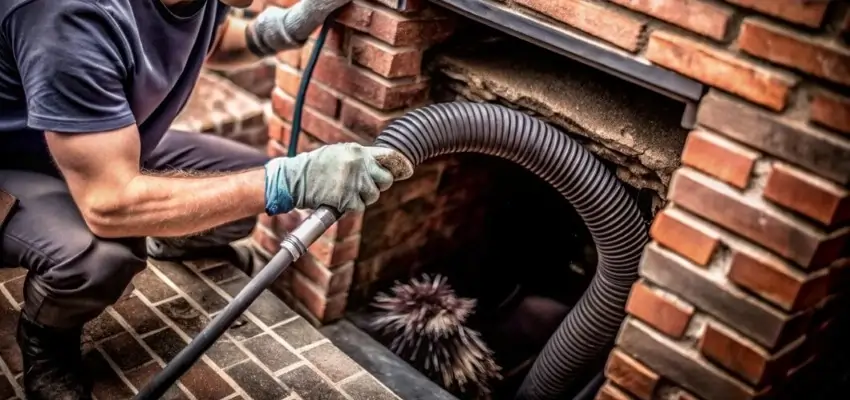
Less smoky smell, steadier flames: Chimney Cleaning around Edmonton
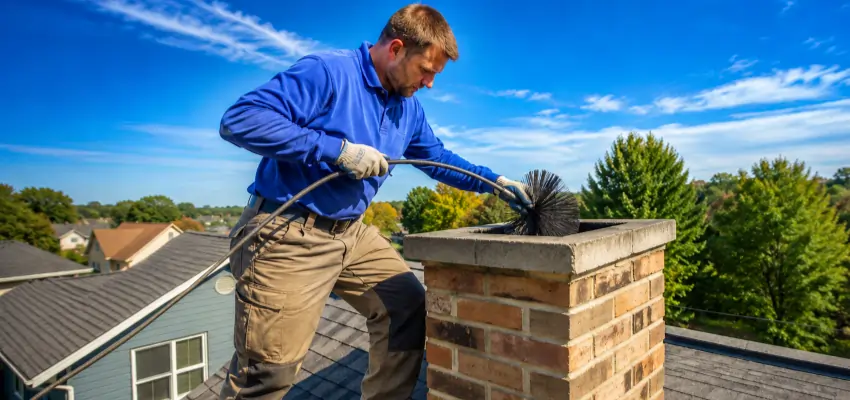
Creosote cleared, flue inspected: Chimney Sweep for Edmonton
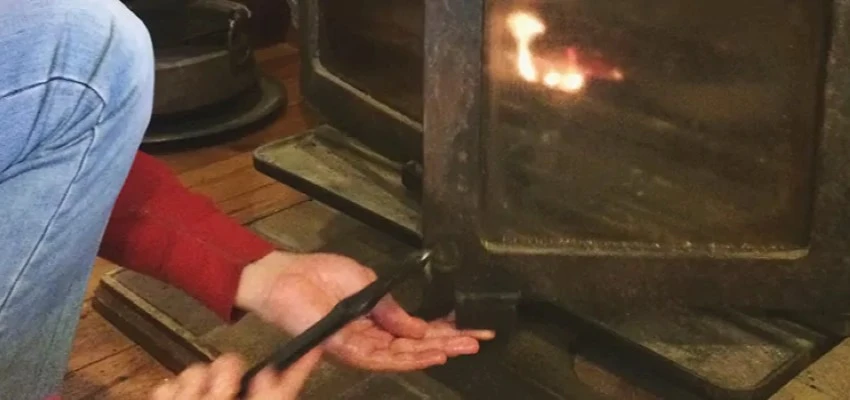
What's included in Chimney Sweep Services around Edmonton?
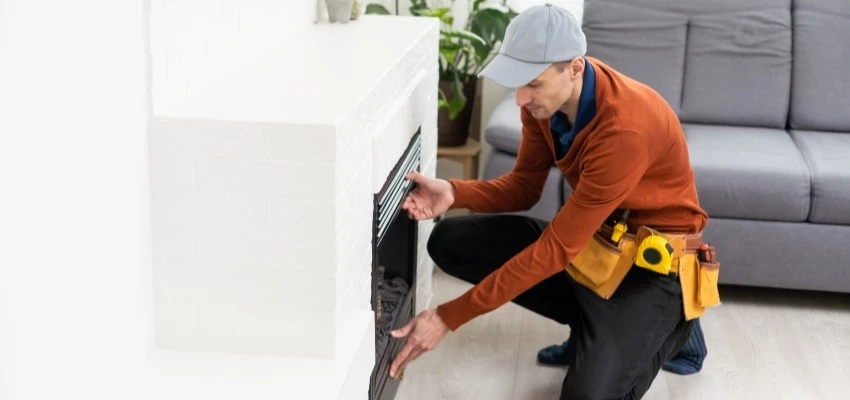
Before relighting in Edmonton, a visit from Fireplace Experts
Gas Fireplace Cleaning, glass to burner ports
Burner ports, pilot hood, glass: Gas Fireplace Maintenance around Edmonton