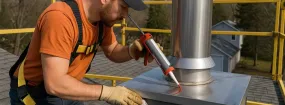
Information about chimneys is scattered across product sheets, forum threads and sales pages. This page gathers the common questions about factory-built chimney installation in one place for homeowners in Edmonton, answered the way a technician would explain them on site. Whether you found it through “prefab chimney installation” or a friend’s recommendation, it should leave you better prepared for the conversation with any chimney company.
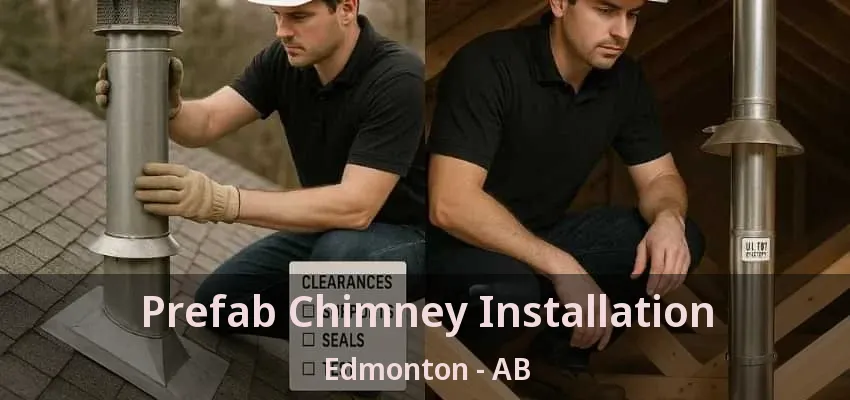
Usually when a new fireplace or wood stove is being added where there is no chimney, or when an existing prefab chimney has worn out, been damaged or no longer matches the appliance. Common signs of a worn system include rust, separated pipe sections, a damaged cap or chase cover and warped parts after a chimney fire. Factory-built chimneys are also used on additions and basements where a masonry chimney would be impractical. If you are researching “prefab chimney installation”, start by confirming exactly which fireplace or stove the chimney will serve, since that decides which system can be used.
A prefab chimney is a kit that is tested as a system, which is the most important thing to know about it. The pipe, the spacers that hold it away from wood, the firestops where it passes through floors and the cap on top are all designed together, usually for a specific fireplace or stove. On the job, that means we follow the manufacturer’s instructions exactly for clearances and support, and we never mix parts from different systems. We see prefab chimneys on additions, basements and newer homes, and on houses where a masonry chimney would have been too heavy or too costly.
Factory-built fireplaces and chimneys are designed and tested together, so the installation instructions name the chimney system that can be used with each unit. Mixing parts from different makers, or pairing a chimney with an appliance it was not designed for, can change clearances, heat resistance and draft in ways nobody has tested. That can create a fire risk inside walls and ceilings. A careful installer checks the appliance’s documentation and nameplate before ordering parts. During factory-built chimney installation, every section, support and firestop should come from the matching system.
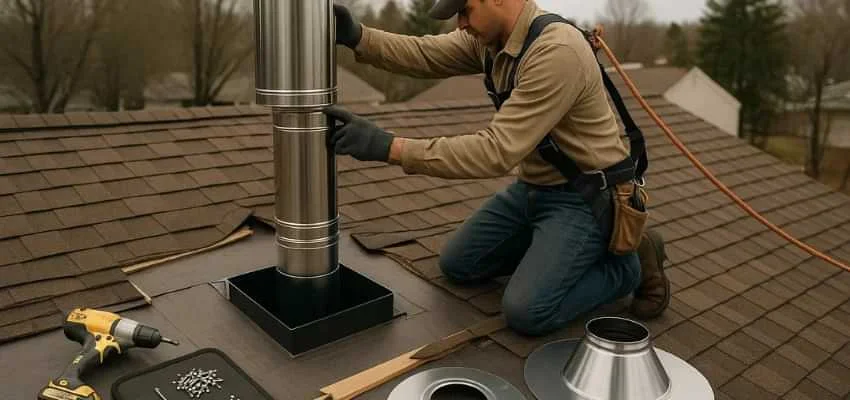
It goes in from the appliance up, after careful planning: we match the chimney system to the fireplace or stove, measure the route and check the framing above for joists, wiring and ducts in the way. Then we cut and frame openings, set firestops at each floor or ceiling, assemble the pipe and support it at the intervals the manual requires. On the roof we flash the penetration, fit the storm collar and termination cap and confirm the height above the roof. A simple run often finishes in a day; a run that needs a new chase takes longer.
We recommend once a year for most homes and treat it like any other seasonal service. The yearly visit lets us see how repairs, repellents, pots or new liners are holding up and catch small issues while they are cheap to fix. We suggest an extra look after high winds, hail or lightning nearby, after any chimney fire and when an appliance is added or swapped. Homes that burn a lot of wood may need sweeping more than once a season. Keeping a simple log of dates and findings makes it easy to spot trends over time.
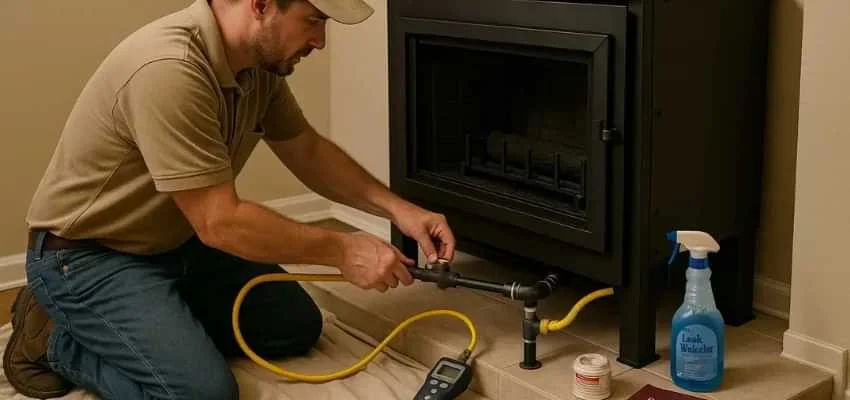
Some chimney work can be done in almost any weather, but masonry, crown work and water repellents need mild, dry conditions. Mortar and concrete should not freeze while they cure, and coatings need dry brick to soak in properly, so those jobs are usually planned for spring through fall. Liner installation, pot fitting and some interior work are less sensitive, though roof access still depends on ice, wind and rain. Booking ahead of the cooler months gives the widest choice of dates. If the forecast turns, a careful company will reschedule rather than rush.
Tell the company what the chimney is made of, what it serves and what you want done or have noticed. Mention the type of fireplace or appliance, how many stories the house has, how steep the roof is and whether the chimney is brick, stone or a framed chase. Share any history: past repairs, a chimney fire, recent roof work or a new appliance. A few photos of the chimney from the yard and of the fireplace help a lot. These details let the company bring the right parts and give you a realistic estimate.
Homeowners can safely handle the watching and the basics, while anything on the roof or inside the flue belongs with a professional. Safe tasks include burning only dry, seasoned wood, keeping the hearth clear, opening and closing the damper to check it moves, looking at the chimney from the ground with binoculars and checking walls and ceilings near the chimney after storms. Do not climb onto the roof, apply sealers yourself, work on liners or touch gas appliance venting. A carbon monoxide alarm on each level of the home is a simple, important step.
A complete quote names the materials, sizes and steps, and when homeowners show us other offers, the gaps are usually in scope rather than price. One lists a stainless liner with insulation; another says just “liner.” One includes a new crown under the pot; another assumes the old one is fine. Check that each quote says who handles permits if any are needed and explains the plan for surprises. Then ask every company the same three questions: what is included, what is excluded and what could change the price. The answers reveal which offer really fits your chimney.
The quote form takes a minute or two. Add your address in Edmonton, a line about what you need and how you would like us to reach you. Fill in the form and we will get back to you with a price and the next available times for factory-built chimney installation.
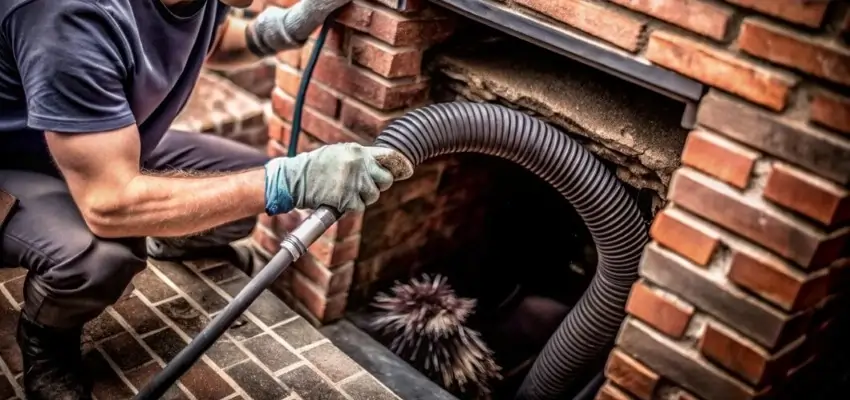
Less smoky smell, steadier flames: Chimney Cleaning around Edmonton

Creosote cleared, flue inspected: Chimney Sweep for Edmonton
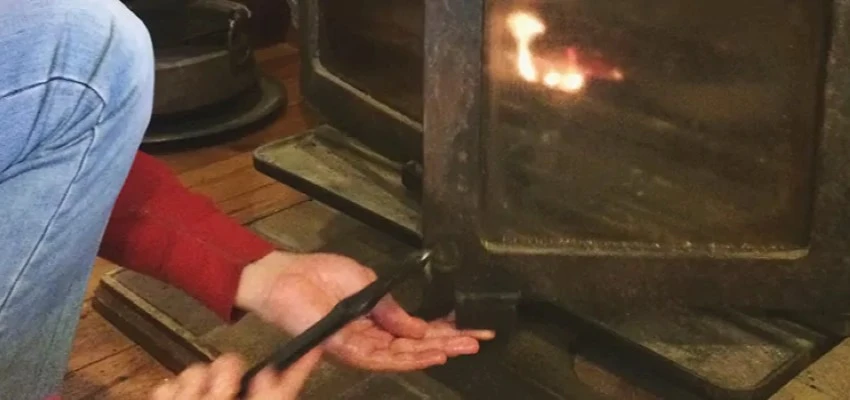
What's included in Chimney Sweep Services around Edmonton?
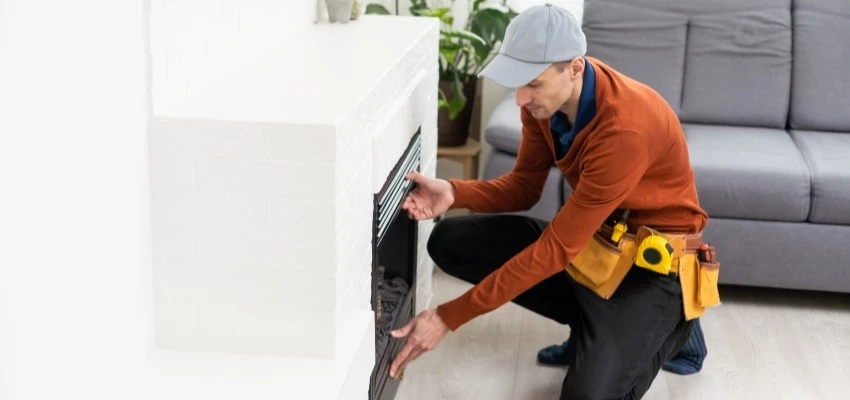
Before relighting in Edmonton, a visit from Fireplace Experts
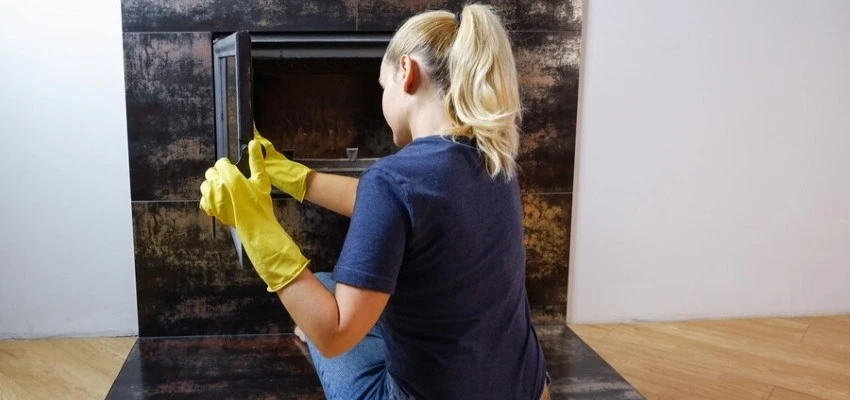
Gas Fireplace Cleaning, glass to burner ports
Burner ports, pilot hood, glass: Gas Fireplace Maintenance around Edmonton