
A fireplace or stove is often the coziest heat source in a home, and also one of the least understood. Behind the glass and the decorative trim sit valves, sensors, gaskets and baffles that each wear out at their own pace. If “pacific energy fireplace repair” is the phrase that brought you here, what follows gives households around Edmonton a practical overview of Pacific Energy stove and insert repair, from the first warning signs to the questions worth asking before any work begins.
Partly. The basic systems are shared across brands: a gas unit needs a working valve, ignition, burner and vent, while a wood stove depends on tight seals, a sound firebox and a clear flue. What changes is the detail. Manufacturers place controls in different spots, use different ignition designs and specify their own replacement parts, and a single brand also changes its designs over time. That is why a careful technician starts with the model label and manual rather than guesswork. For you, the takeaway is simple: the repair approach is familiar, but the parts and steps are specific to your unit.
Thumping ignition, grinding fans, electrical burning smells and lingering smoke are the warning signs; ticking metal and a brief new-part smell usually are not. Telling them apart is a big part of our job. A delayed light-off that rolls flame out of the firebox suggests a dirty burner or a weak igniter. A fan that squeals has worn bearings. A sharp, plastic smell can come from wiring touching something hot. On gas units, the smell of gas means leaving the house and calling the gas utility from outside before calling anyone else, us included.
A rattling, humming or squealing blower on a wood insert usually means dust and ash have built up on the fan wheel, a bearing is wearing out or the blower housing has worked loose. Many insert blowers sit under or behind the firebox and pull room air across hot steel, so they collect fine ash and pet hair over a season. A technician can often clean the wheel and secure the housing; a motor with failing bearings is replaced. Mention the sound, when it started and whether it changes with fan speed when you book Pacific Energy stove and insert repair. Never reach into the blower area while the stove is hot or plugged in.
Most branded fireplaces wear out in predictable places, whatever name is on the front. Typical problems include:
None of these is unusual, and most can be repaired once the cause is confirmed.
Usually, yes, at least for the parts that wear out most. Thermocouples, igniters, gaskets, glass, firebricks and blowers are widely available, either as the original part or as a replacement the manufacturer lists as suitable for that model. Harder cases involve control boards, valves and decorative pieces from designs that were dropped long ago. When a part is discontinued, a technician looks for an approved substitute before considering anything else, and gas components in particular should never be swapped for something the manual does not allow. If no safe option exists, that is the moment to talk about replacing the unit.
Once a year suits most households, and we adjust from there. A gas fireplace that runs every evening through the colder months collects more dust in the burner and more wear on its ignition than one lit a few times a season. A wood stove used as a main heat source may need its flue swept more than once in a winter. We note what we find at each visit, such as how dirty the burner was or how much creosote came out, and suggest the next date from that. Your manual’s recommendation is the baseline; your usage fine-tunes it.
The model and serial number are printed on a rating label or metal plate attached to the unit. On many gas fireplaces and inserts, it sits behind the lower louver or grille near the controls, sometimes on a chain or tag that pulls out. On freestanding stoves, it is often on the back or underneath. Wait until the unit is completely cool, use a flashlight and take a clear photo rather than copying it by hand. Do not remove panels or touch gas parts to find it. If you cannot locate the label, photos of the front and the controls still help.
Burning habits have a big effect on how long a wood stove’s parts last. Dry, seasoned firewood burns hotter and cleaner, which keeps glass clear and slows creosote buildup. Avoid overfiring: a stove packed full with the air wide open can warp baffles, crack firebricks and stress welds. Never burn trash, painted or treated wood, or large amounts of cardboard. Use the air control as the manual describes, remove ashes before they crowd the firebox and close the door gently so the gasket lasts. These habits stretch the time between repairs noticeably.
Clean it out and let it breathe. Once the last fire is out and the stove is cold, remove all ashes, since ash left in the firebox over a humid summer draws moisture and can corrode steel. Leave the air control slightly open and the door unlatched, if your manual allows, so air keeps moving through. Spring is also a sensible time to have the chimney swept, because deposits can smell in warm, damp weather. Note anything you noticed during the season, such as gasket or glass issues, and book the “pacific energy fireplace repair” work over the summer while schedules are lighter.
If another company gave you a recommendation that does not feel right, we are happy to take a fresh look. You will get our honest view of your stove, with no pressure either way. Ask Chimney Sweep Edmonton for a second look in Edmonton.
Less smoky smell, steadier flames: Chimney Cleaning around Edmonton
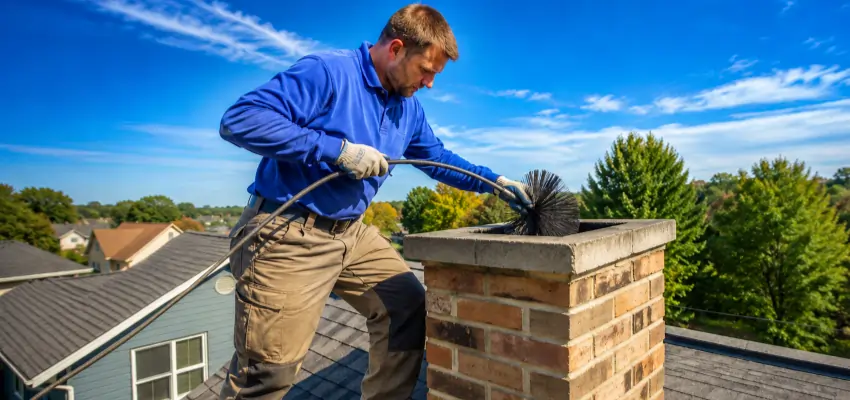
Creosote cleared, flue inspected: Chimney Sweep for Edmonton
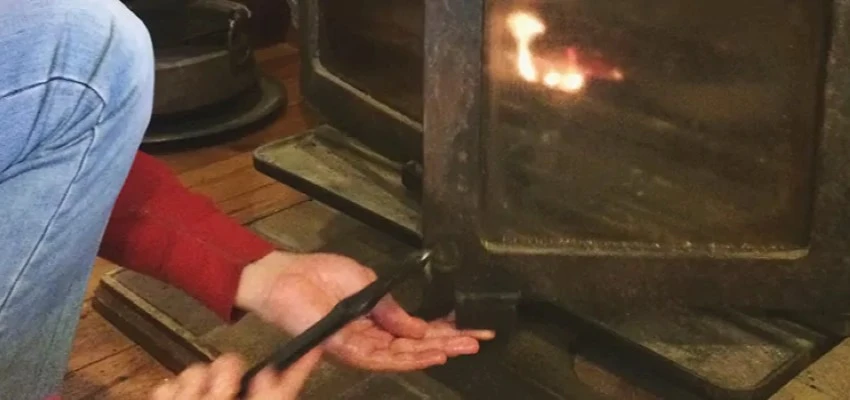
What's included in Chimney Sweep Services around Edmonton?
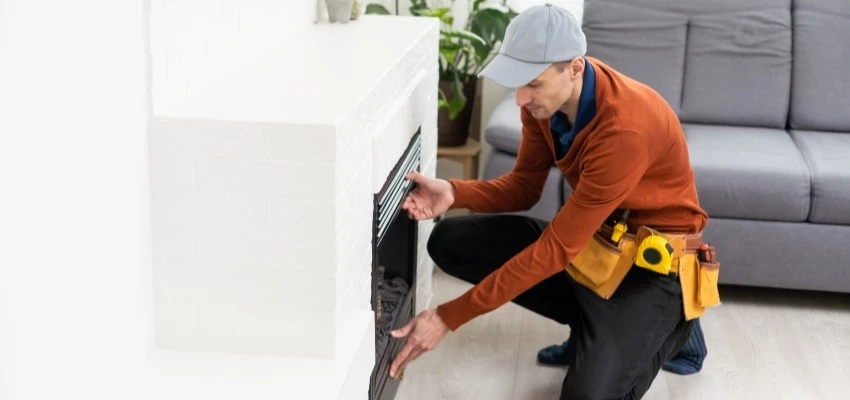
Before relighting in Edmonton, a visit from Fireplace Experts
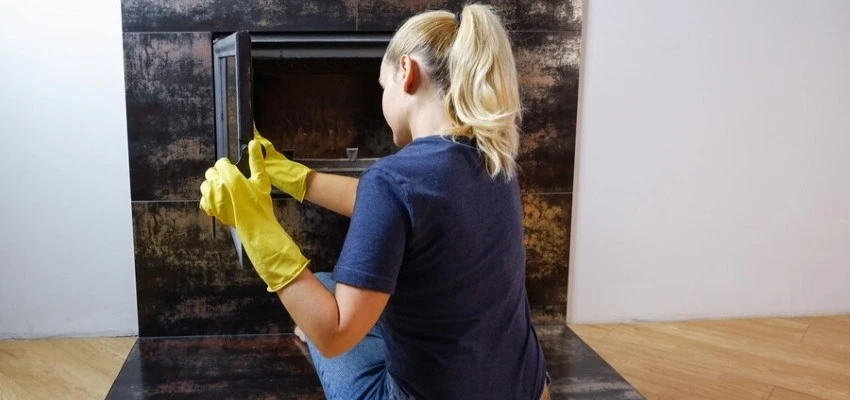
Gas Fireplace Cleaning, glass to burner ports
Burner ports, pilot hood, glass: Gas Fireplace Maintenance around Edmonton