When homeowners in Edmonton search for “osburn fireplace repair”, they usually want three things answered: what is wrong, whether it can be fixed and what the work will involve. The answers below take those questions one at a time, for gas fireplaces, inserts and wood-burning stoves, without a sales pitch. Read the parts that match your unit and you will go into any conversation about Osburn stove and insert repair knowing which details matter and which ones do not.
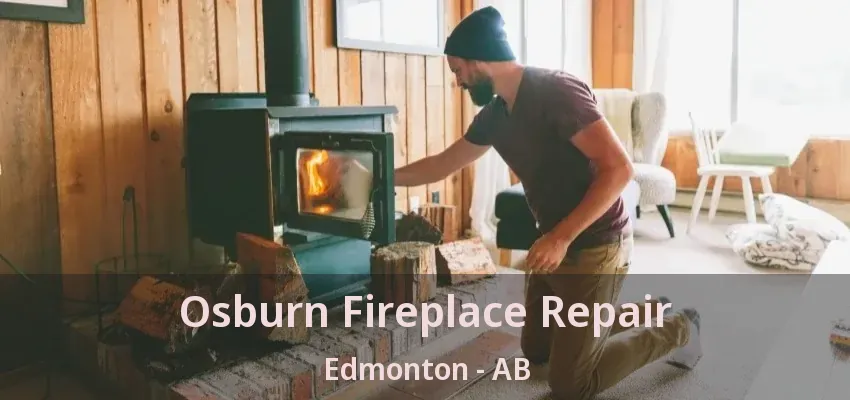
No, a dealer is not the only option. Independent technicians repair most major brands of gas fireplaces, inserts and wood stoves, because the core systems are similar from one maker to the next. What matters is that the technician identifies your exact unit from its rating label, follows the manufacturer’s installation and service instructions and uses the replacement parts those instructions call for. Dealers mainly sell and install new equipment, and some also offer service, but the choice of who works on your stove is yours. Ask anyone you call which types of units they handle and how they source parts.
Film on fireplace glass usually tells you something about how the fire is burning. On gas units, a white haze is common and builds up from minerals and byproducts in the combustion gases; it can be cleaned with a product made for fireplace glass, since ordinary cleaners may etch it, ideally during a service visit on sealed units. Black soot on gas glass is different and suggests the flame is not burning cleanly, often because of misplaced logs, dirt in the burner or a venting issue. On wood stoves, brown or black staining usually comes from smoldering fires or damp wood.
The repairs we make most often follow the way each unit is used. Gas fireplaces that cycle on and off all winter wear out their ignition parts: thermocouples and thermopiles weaken, spark electrodes corrode and control modules eventually give up. Blower motors collect dust and start to rattle. Wood stoves take more physical punishment, so we replace door gaskets, firebricks and baffle boards that have cracked or sagged from heat. Glass gets attention on both types. None of this points to a bad brand; it is ordinary wear on equipment that works hard for months at a time.
Usually, yes, at least for the parts that wear out most. Thermocouples, igniters, gaskets, glass, firebricks and blowers are widely available, either as the original part or as a replacement the manufacturer lists as suitable for that model. Harder cases involve control boards, valves and decorative pieces from designs that were dropped long ago. When a part is discontinued, a technician looks for an approved substitute before considering anything else, and gas components in particular should never be swapped for something the manual does not allow. If no safe option exists, that is the moment to talk about replacing the unit.
Those perforated steel tubes feed preheated air into the top of the firebox so the smoke itself burns, which is how many modern wood stoves and inserts burn cleanly. On a well-used stove they can sag, crack or burn through, especially after overfiring, and some are held by pins or brackets that loosen. Damaged tubes let smoke escape unburned, so glass darkens and creosote builds faster. They are usually replaceable parts listed for each model. Mention any visibly bent tubes when you book your “osburn fireplace repair” visit, along with a photo, so the right set can be brought.
Plan on an hour or two for most visits, with exceptions we can usually predict. The unit needs to be cold before we open it, so a fireplace that was running that morning adds waiting time. Diagnosis is quick when the fault happens on demand and slower when it only shows up after the unit has been running a while. Parts are the other variable: if we carry the part, the repair usually happens on the spot; if it has to be ordered, we schedule a return trip and share what we know about delivery.
Give the technician the brand, model and serial number, the fuel type and whether it is a built-in fireplace, an insert or a freestanding stove. Then describe the problem as precisely as you can: what happens, when it started, whether it is constant or comes and goes and anything that changed around that time, such as a power outage, new batteries or renovation work. Mention any blinking lights or sounds, and what you have already tried. Photos of the label, the controls and the flame help a lot. Clear details often mean the right part arrives with the first visit.
Burning habits show up in a stove’s parts so clearly that we can usually tell how it has been run before we ask. Warped baffles, cracked bricks and discolored steel point to overfiring, often from loading lots of dry wood with the air control wide open. Heavy black glass and sticky creosote point the other way, to damp wood or fires starved of air. The stoves that age gracefully get steady, moderate fires of well-seasoned wood, regular ash removal and doors that are latched rather than slammed. Following the burn instructions in your manual protects the gaskets, glass and internal parts.
Many service tasks can be done with the insert in place, such as replacing door gaskets, firebricks, glass and air tubes, cleaning the blower and checking the baffle. Repairs to the blower wiring or the liner connection sometimes mean sliding the insert forward, which takes care to protect the hearth and surround. A technician can tell from your model’s manual what is reachable from the front. When you book after searching for “osburn fireplace repair”, mention that it is an insert and whether the surround panels come off easily. Chimney Sweep Edmonton is an independent company and does this work without any link to the manufacturer.
A good visit looks at the whole system around your stove, not just the part you asked about. That is how Chimney Sweep Edmonton approaches every home in Edmonton. Book Osburn stove and insert repair and get a complete, honest overview of where things stand.
Less smoky smell, steadier flames: Chimney Cleaning around Edmonton

Creosote cleared, flue inspected: Chimney Sweep for Edmonton
What's included in Chimney Sweep Services around Edmonton?
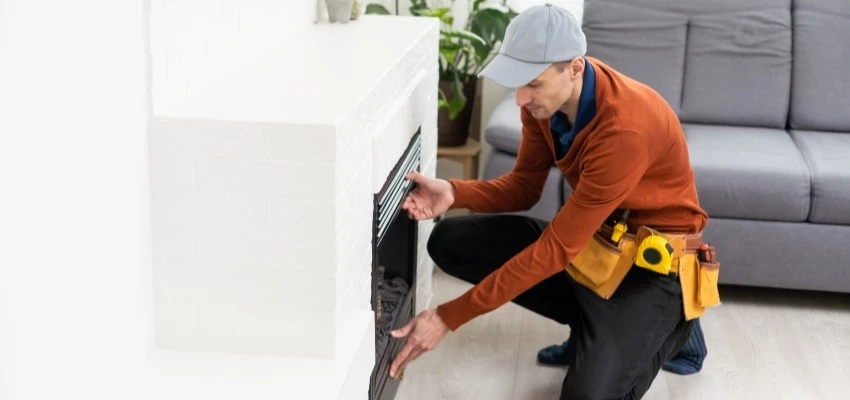
Before relighting in Edmonton, a visit from Fireplace Experts
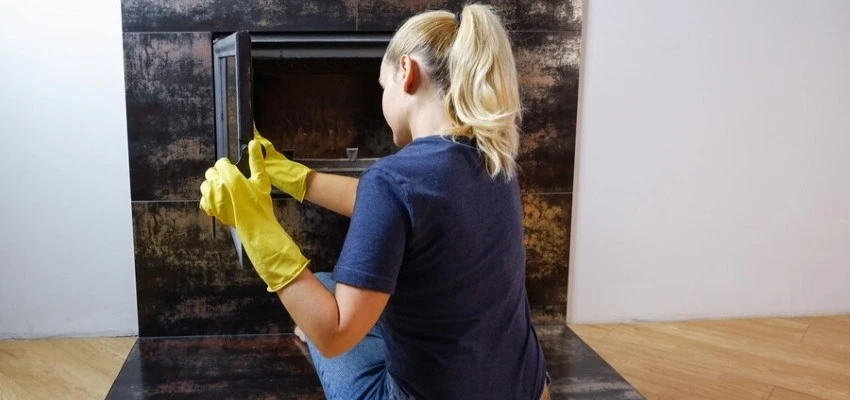
Gas Fireplace Cleaning, glass to burner ports
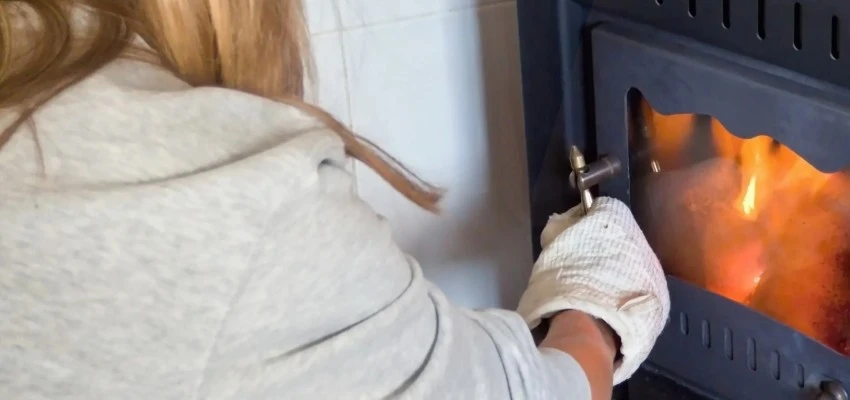
Burner ports, pilot hood, glass: Gas Fireplace Maintenance around Edmonton