Fireplaces and stoves tend to show their faults when they go back to work after a long rest: a pilot that will not catch, glass that clouds over or, on a wood unit, smoke that puffs out when the door opens. If that sent you looking for “majestic fireplace repair”, you are in good company, and most of these problems have ordinary explanations. Below, households in Edmonton will find practical answers about Majestic fireplace and insert repair: what tends to wear out, what a technician checks and what you can safely look at yourself.
Many Majestic fireplaces in homes are factory-built units that have been in place for a long time, so the first question is how the original parts have held up. Common needs include replacement refractory panels, glass door gaskets, damper repairs on wood models and ignition parts on gas models. Because brands change ownership and product lines over the years, a technician tracing parts for an older unit relies on the rating label rather than the name alone. If your “majestic fireplace repair” search began with a fireplace that came with the house, that label is the first thing to find.
No, an experienced fireplace technician can usually take on the job, dealer or not. On site, the badge on the front matters less than what sits behind the access panel: the valve and ignition design on a gas unit, or the baffle, air controls and gaskets on a wood stove. We read the label, pull up the manual for that model and check its parts list before ordering anything. When a repair calls for a component only the manufacturer supplies, we order that component rather than improvising. Asking a technician which brands and fuel types they see most often is a fair question before you book.
Smoke in the room comes from one of two things: a leak or weak draft. To find a leak, we close the door on a strip of paper at several points; if it slides out easily, the gasket is no longer sealing. We also look at the glass gasket and the seams where plates meet. For draft, we check the flue for creosote or a blocked cap, look at how the stovepipe is routed and ask how fires are started. A cold chimney, a tight house with exhaust fans running and damp wood can each make a perfectly good stove smoke.
A pilot that will not stay lit usually points to a weak flame sensor, a pilot assembly clogged with dust or a draft problem in the venting. On many fireplaces, a small sensor called a thermocouple or thermopile sits in the pilot flame and holds the gas valve open; when it wears out or the flame no longer reaches it, the valve shuts. Low gas supply and a blocked vent can cause the same symptom. Leave the unit off rather than relighting it again and again, and book a technician. If you ever smell gas, leave the home and call your gas utility from outside.
In a factory-built wood fireplace, the damper is a metal plate near the top of the firebox, opened with a handle, rod or chain. Over time the pivot can rust or seize, the plate can warp and the control linkage can bend or snap. A technician first checks whether the damper opens fully and closes reasonably tight, then looks for the cause: rust, debris resting on top or a broken handle. Many of these parts are replaceable using the model’s parts list. A damper stuck partly shut needs fixing before the next fire, because it can push smoke into the room.
A wood stove tune-up focuses on the seals, the parts inside the firebox and the connection to the chimney. The technician checks that the door and glass gaskets still seal, inspects firebricks for cracks, looks at the baffle and any secondary air tubes for warping and tests the air control and door latch. On stoves with a catalytic combustor, its condition is checked too. The flue connection and the chimney itself should be inspected and swept as needed, since creosote buildup affects both safety and draft. Many owners book this before the heating season begins.
Plan on an hour or two for most visits, with exceptions we can usually predict. The unit needs to be cold before we open it, so a fireplace that was running that morning adds waiting time. Diagnosis is quick when the fault happens on demand and slower when it only shows up after the unit has been running a while. Parts are the other variable: if we carry the part, the repair usually happens on the spot; if it has to be ordered, we schedule a return trip and share what we know about delivery.
Specific symptoms help most, along with the label information and the age of the unit if you know it. “It will not turn on” could mean no spark, a pilot that lights and drops out or a burner that never follows; each points somewhere different. Tell us whether the fireplace runs on a remote, a wall switch or a thermostat, whether it has power to it and when it was last serviced. For wood stoves, mention how the fire behaves and what wood you burn. Short videos of the startup are surprisingly useful, since they let us hear and see the sequence.
Most remote problems come down to batteries, either in the handheld unit or in the receiver that sits near the fireplace controls. With the fireplace off and cool, replace both sets first, since a weak receiver battery can mimic a failed remote. Many systems also need the remote and receiver paired again after a battery change or power outage, and the owner’s manual explains the steps. If the fireplace still does not respond, try the wall switch or manual setting if it has one. When nothing works, the receiver, module or valve may need attention from a qualified gas technician.
Simple routines at home go a long way, and a periodic visit catches what you cannot see. Together they keep your fireplace in steady shape year after year. Call (587) 206-3388 to plan the next check with Chimney Sweep Edmonton.
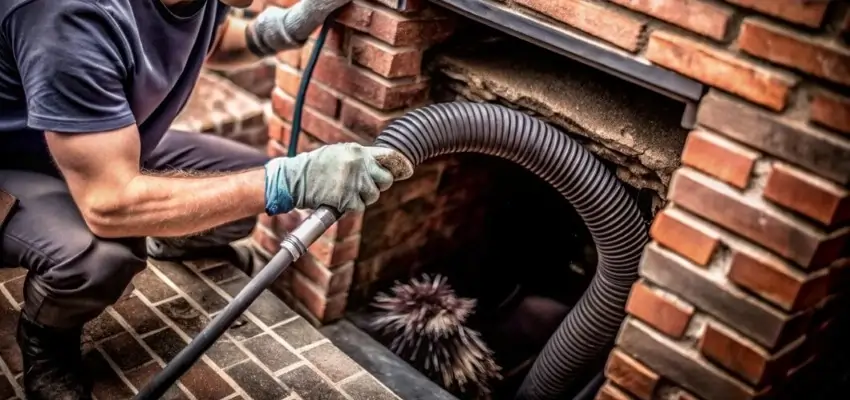
Less smoky smell, steadier flames: Chimney Cleaning around Edmonton
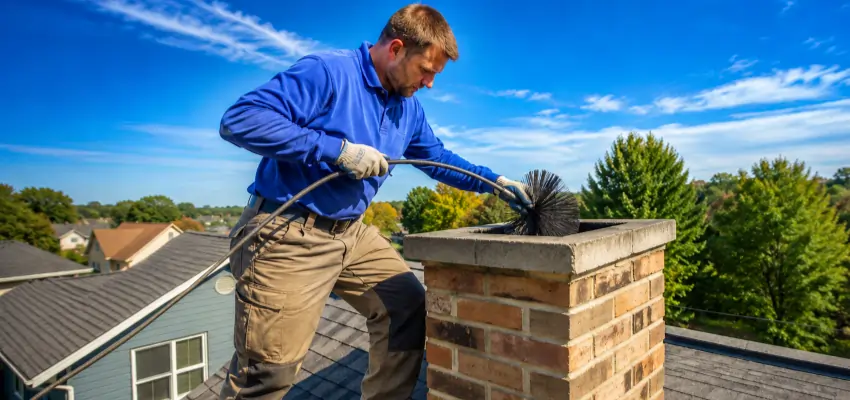
Creosote cleared, flue inspected: Chimney Sweep for Edmonton
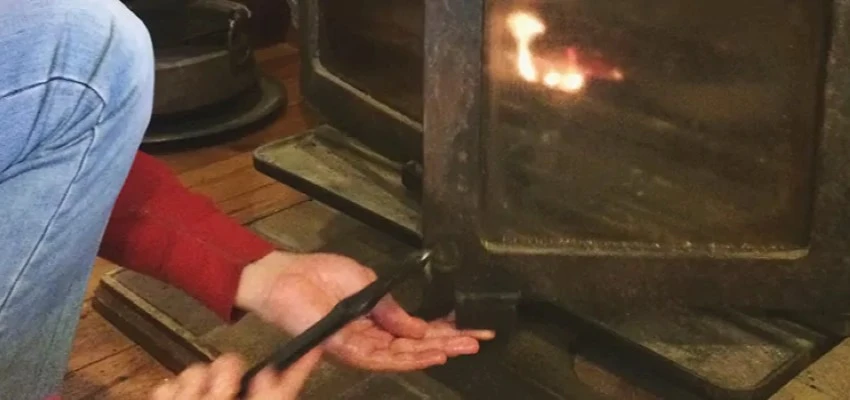
What's included in Chimney Sweep Services around Edmonton?
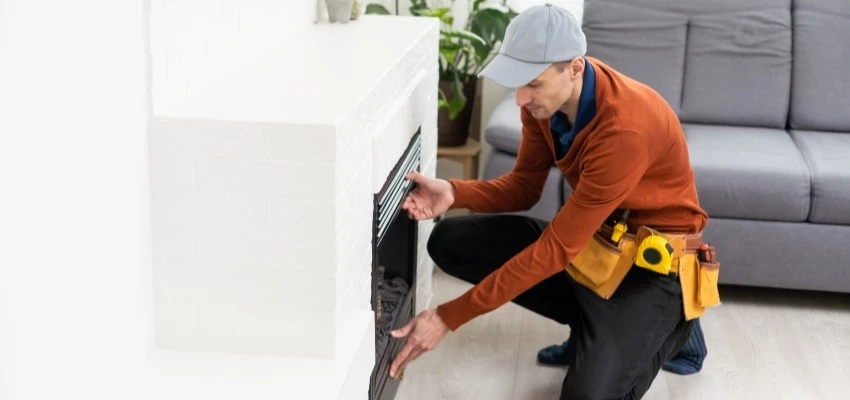
Before relighting in Edmonton, a visit from Fireplace Experts
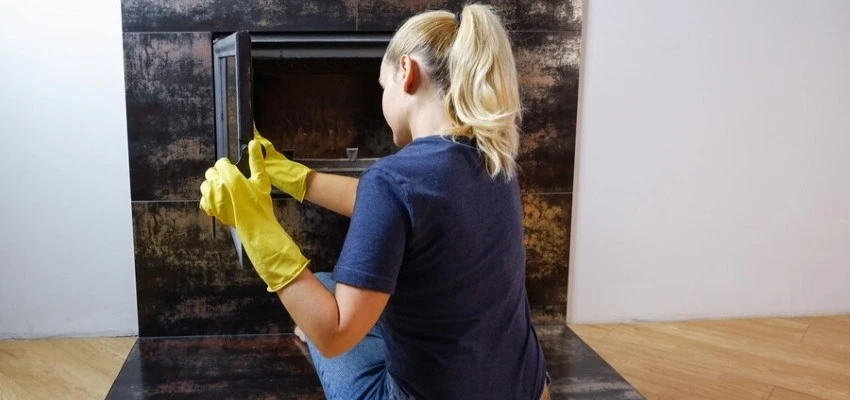
Gas Fireplace Cleaning, glass to burner ports
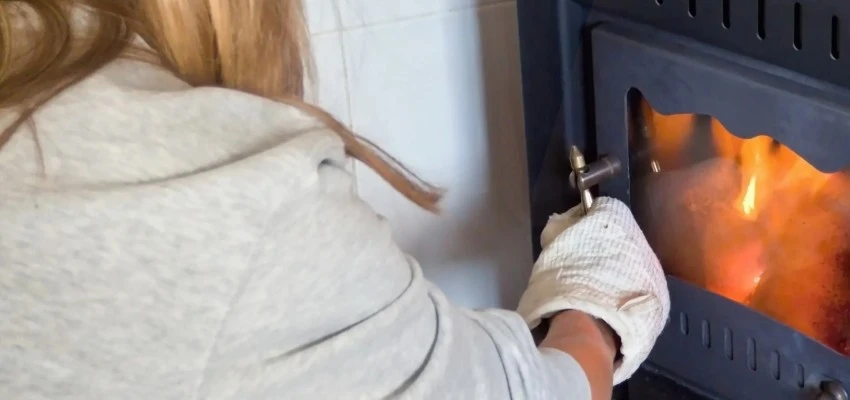
Burner ports, pilot hood, glass: Gas Fireplace Maintenance around Edmonton