Chimney care attracts plenty of half-truths: that gas never leaves anything behind, that a roaring fire burns the flue clean, that a sweeping log does the whole job. A search for “industrial chimney services” tends to turn up all of them at once. The answers here sort fact from folklore for anyone in Edmonton with a fireplace, stove or other appliance venting through a chimney, and they explain what industrial chimney maintenance can and cannot do for yours.
From our side, commercial work covers the same kinds of flues we see in homes plus several that only businesses have: pizza and bread ovens that burn wood, banks of fireplaces in a lodge and boiler stacks heating a whole building. What changes is scale and record keeping. A building may have a dozen flues that need labeling so each one is tracked separately, and managers usually want photos and dated reports for their files. Access takes more planning as well, since a commercial roof can involve hatches, parapets or heights a house never does. The core job is still clearing deposits and checking condition.
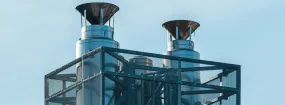
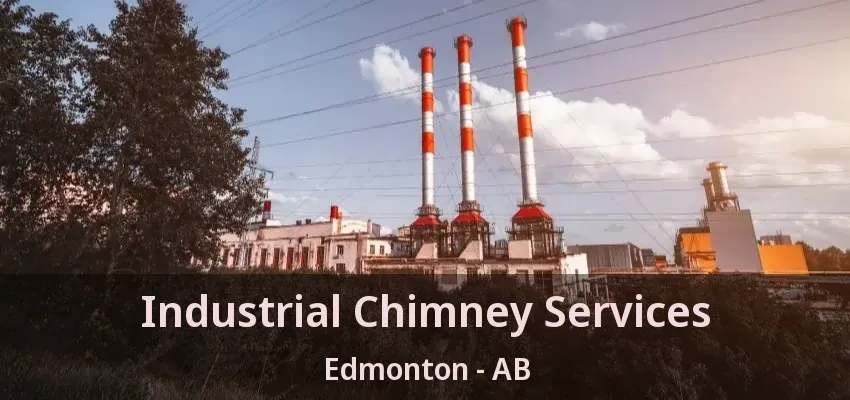
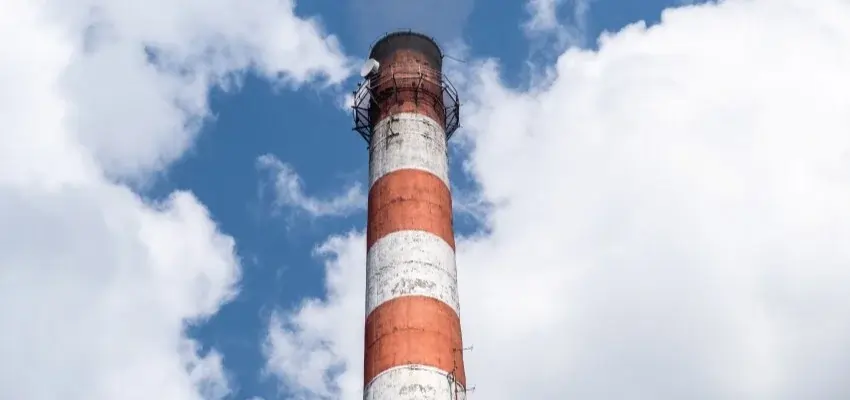
Industrial chimneys are usually the tall masonry, concrete or steel stacks that vent large boilers, heating plants, kilns, incinerators and process equipment at factories, plants and institutions. They are bigger, hotter and harder to reach than residential or restaurant flues, and they often run for long periods without a break. Work on them can require heavy access equipment, specialist crews and close coordination with plant staff. Some companies offering “industrial chimney services” focus on smaller commercial flues, so ask early what heights, materials and equipment types a provider actually handles.
Soot and creosote are different deposits: soot is a dry, powdery carbon dust, while creosote is a tarry residue from wood smoke that can be flaky, sticky or glassy. Soot comes from incomplete burning and can be left by wood, oil or a gas appliance that is not running cleanly. It is lighter and brushes away easily, but it still narrows the flue and can hold moisture and odors. Creosote is the bigger fire concern because of its oily base. Seen from the firebox, soot looks like fine black powder, while creosote looks crusty, shiny or tar-like. A technician adjusts the cleaning to match.
Anywhere from monthly for a busy wood-fired oven to yearly for a boiler flue, and we set the exact schedule from what we measure. A pizza oven burning from lunch to close can coat its flue faster than a house fireplace does in a whole winter, so those kitchens often start on a monthly or every-other-month rotation. After two or three visits we know the real rate and can adjust. Boiler stacks and gas-fired equipment produce little creosote, but their flues still need a yearly look for corrosion, debris and draft. Fireplaces in common areas sit somewhere in between. A written log of each visit keeps staff and owners on the same page.
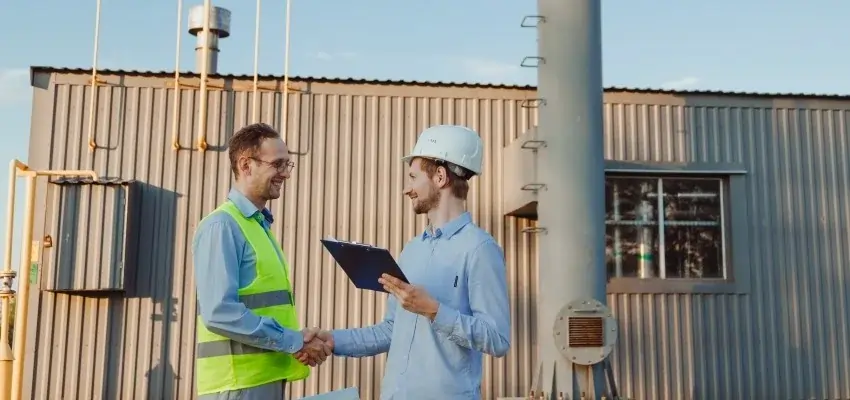
The equipment the chimney serves must be shut down, isolated and allowed to cool, and the site’s own safety rules have to be agreed in advance. That usually means a planning meeting covering shutdown timing, lockout procedures, access routes, work zones on the ground and who has authority to stop the job. Weather limits for work at height should be set too. Your safety officer may require orientation for the crew. Choosing a provider of “industrial chimney services” that asks about these details unprompted is a good sign it has worked on similar sites.
Commercial chimney work is usually scheduled before opening, after closing or during a quieter season, so customers, guests and tenants are disturbed as little as possible. Ovens and fireplaces need to be out and cool beforehand, which for a busy kitchen often means booking the morning after a closed day. Arrange roof access, keys and parking for the service vehicle ahead of time, and let staff or residents know when someone will be on the roof. Buildings with many flues can often be done in stages over several visits. Agree on the order of work and a contact person on site before anything begins.
Describe the appliance, the building and what prompted the call, because those three details decide which tools and how much time the visit needs. Say whether it is an open fireplace, an insert, a wood stove or a gas appliance, how many flues the chimney has and roughly how tall the building is. Mention the roof type and anything that makes access tricky, such as a steep pitch or a locked gate. Add when the chimney was last swept, if you know, and anything unusual: smells, smoke, sounds, water stains or an animal. A photo of the chimney top helps too.
If the sweep finds damage, ask to see it, ask what it means for safety and get a written quote before you agree to anything, since a sound recommendation can always be shown and explained. Photos or camera footage should make the problem clear. Ask whether the fireplace or stove can be used in the meantime, and which repairs are urgent and which can be planned. Common findings include a cracked crown, loose flashing, a rusted damper, a missing cap or cracked flue tiles. For larger jobs, such as relining, a second opinion is reasonable. Avoid deciding under pressure on the doorstep.
A business should look for a chimney provider with experience in its type of system, the ability to work around opening hours and clear written records of every visit. Ask which commercial flues the company handles regularly, such as wood-fired ovens, boiler stacks or multi-unit fireplaces, and what access equipment it uses for tall or awkward roofs. Request a sample report to see how findings are documented. Ask whether its own staff do the work or subcontractors, and confirm whatever paperwork your landlord or property manager requires before anyone goes on the roof.
Whether you want to book now or just gather information first, we are glad to help. Ask your questions about industrial chimney maintenance, your chimney or the timing that suits you. Contact Chimney Sweep Edmonton for homes across Edmonton.
Less smoky smell, steadier flames: Chimney Cleaning around Edmonton
Creosote cleared, flue inspected: Chimney Sweep for Edmonton
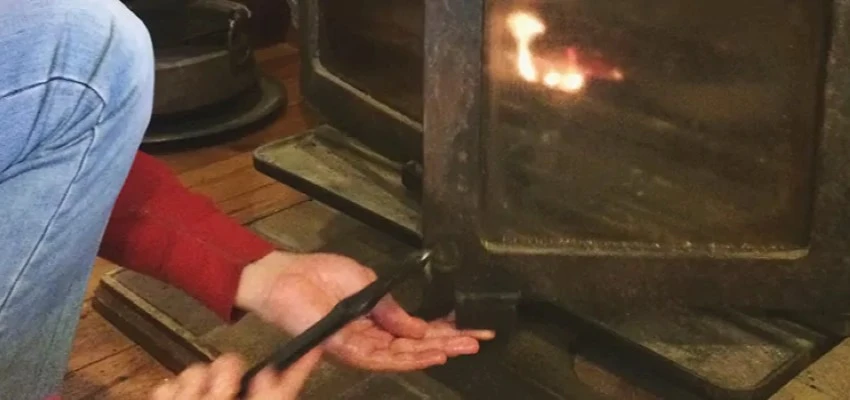
What's included in Chimney Sweep Services around Edmonton?
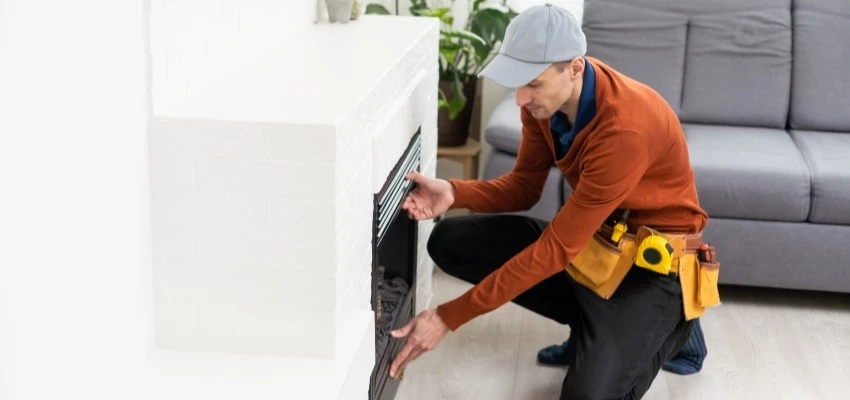
Before relighting in Edmonton, a visit from Fireplace Experts
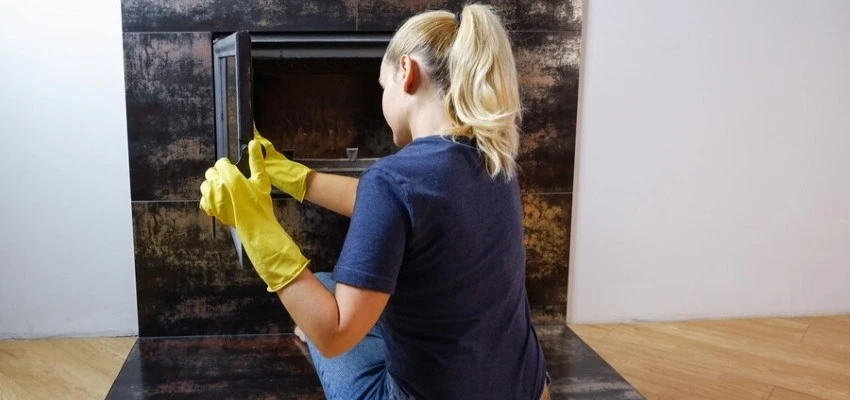
Gas Fireplace Cleaning, glass to burner ports
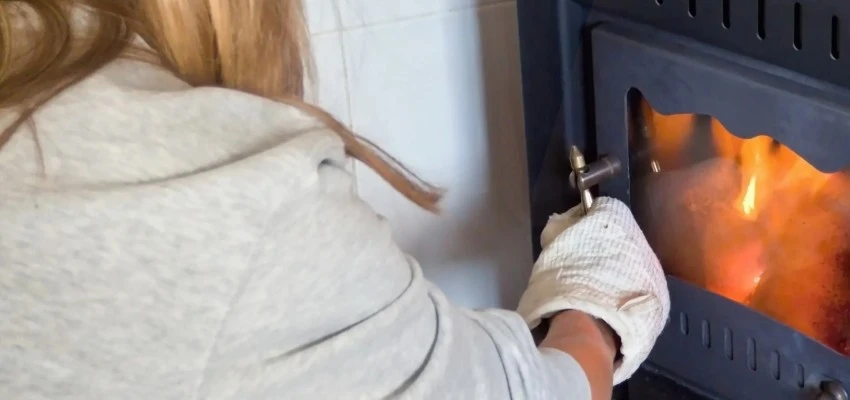
Burner ports, pilot hood, glass: Gas Fireplace Maintenance around Edmonton