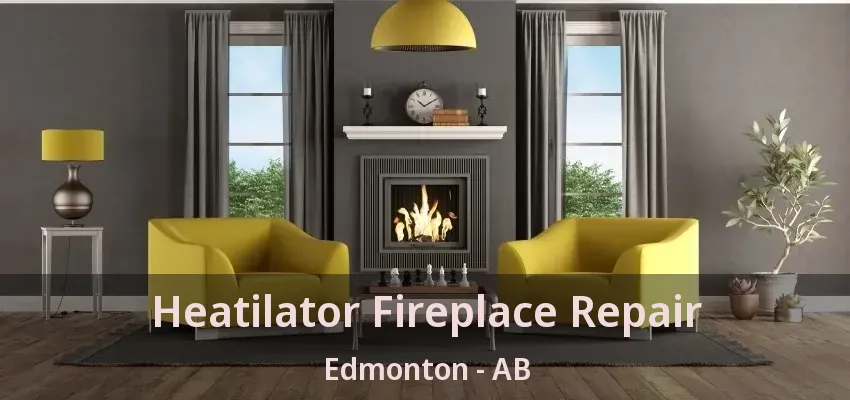
Bought a house with a fireplace you have never lit? Inherited a stove with a name you do not recognize? Searching for “heatilator fireplace repair” is a reasonable first move, and this guide picks up from there. It walks through the everyday questions about Heatilator fireplace and insert repair that homeowners in Edmonton bring to our technicians, including how often a unit should be looked at, how long repairs take and what to have on hand when you call.
Partly. The basic systems are shared across brands: a gas unit needs a working valve, ignition, burner and vent, while a wood stove depends on tight seals, a sound firebox and a clear flue. What changes is the detail. Manufacturers place controls in different spots, use different ignition designs and specify their own replacement parts, and a single brand also changes its designs over time. That is why a careful technician starts with the model label and manual rather than guesswork. For you, the takeaway is simple: the repair approach is familiar, but the parts and steps are specific to your unit.
A factory-built fireplace is a metal firebox designed and tested as a complete system with its own chimney pipe, instead of being built from brick on site. Many builders install them, and the name on yours may be the one you searched for with “heatilator fireplace repair”. For repairs, the system idea matters: refractory panels, glass doors, the chimney pipe and the cap are all specified for that model, and mixing in parts from elsewhere can change how it performs. A technician should identify the model from its label before replacing panels or venting parts, and cracked or warped components should be replaced, not patched.
Smoke coming into the room usually means the stove is not drafting well or is leaking around its seals. Common causes include a door gasket that has flattened, a cracked glass seal, a partly blocked flue or chimney cap, a chimney that is still cold when the fire is lit and wet firewood that smolders instead of burning. Opening the door quickly can also pull smoke out. Open the air control and crack the door slowly before loading. If smoke keeps escaping, stop using the stove, have it and the chimney checked and make sure your carbon monoxide alarms work.
Film on fireplace glass usually tells you something about how the fire is burning. On gas units, a white haze is common and builds up from minerals and byproducts in the combustion gases; it can be cleaned with a product made for fireplace glass, since ordinary cleaners may etch it, ideally during a service visit on sealed units. Black soot on gas glass is different and suggests the flame is not burning cleanly, often because of misplaced logs, dirt in the burner or a venting issue. On wood stoves, brown or black staining usually comes from smoldering fires or damp wood.
Hairline cracks in the refractory panels that line a factory-built wood fireplace are common and often cosmetic, but wider cracks, missing pieces or metal showing through are a different matter. Those panels protect the steel firebox behind them from direct heat. Once they crumble, the metal can warp or burn through, which turns a modest repair into a much bigger one. Many manuals describe how wide a crack can be before a panel must be replaced, so the technician checks your model’s guidance. If you can see bare metal behind a panel, stop using the fireplace until it has been looked at.
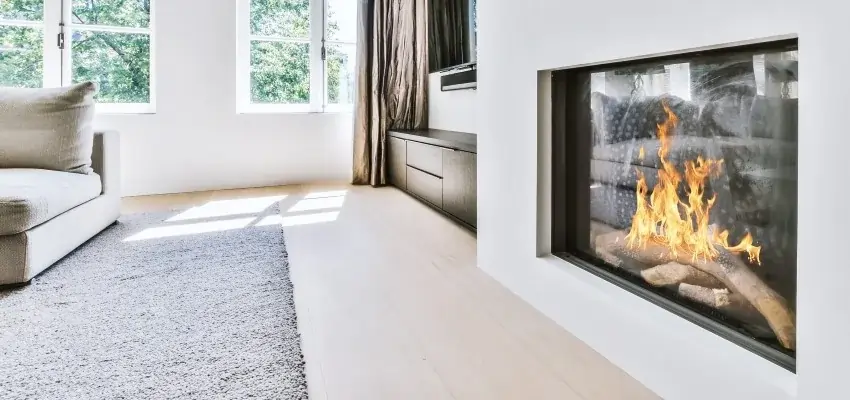
Servicing a wood stove is mostly about restoring a tight, predictable burn. We start with the seals, because a stove that leaks air burns too hot and too fast. Then we lower the baffle where the design allows, which lets us inspect the top of the firebox and the flue collar for creosote and corrosion. Firebricks are swapped if they are cracked through, and loose air tubes are reseated. If the stove uses a catalytic combustor, we check whether it is still doing its job. We finish at the stovepipe or liner and recommend a sweep if the deposits call for one.
Many fireplace repairs are finished in a single visit of an hour or two, especially when the problem is a common wear part the technician carries. Longer visits happen when the fault is intermittent, when an insert has to be pulled forward or when several issues turn up together. If the needed part is not in stock, expect a diagnosis visit followed by a second appointment once it arrives, which can take days or weeks for older or less common models. Ask for a realistic timeline before work starts, especially if you rely on the fireplace for heat.
The most helpful thing is a cold, clear fireplace. We cannot safely open a unit that is still hot, so a gas fireplace switched off a few hours early and a stove left unlit since the day before save real time. We also need room to lay down drop cloths and set out tools, which means moving furniture, mantel décor and anything on the hearth. Outside, a clear route to the vent cap helps. If your fireplace has a wall switch, remote or thermostat, keep it handy. Pets tend to be happier in another room while panels come off.
After a repair, the unit should start and run normally, though a brief smell from new parts, gaskets or paint is common during the first hour or two of use. Open a window and let the fireplace run for a while to help it burn off. Ask the technician what was replaced and keep that note with your manual. Watch the flame or fire for the first few uses: it should look steady and clean, without soot on the glass. If the original problem returns or a new symptom appears, call back promptly rather than waiting for it to settle.
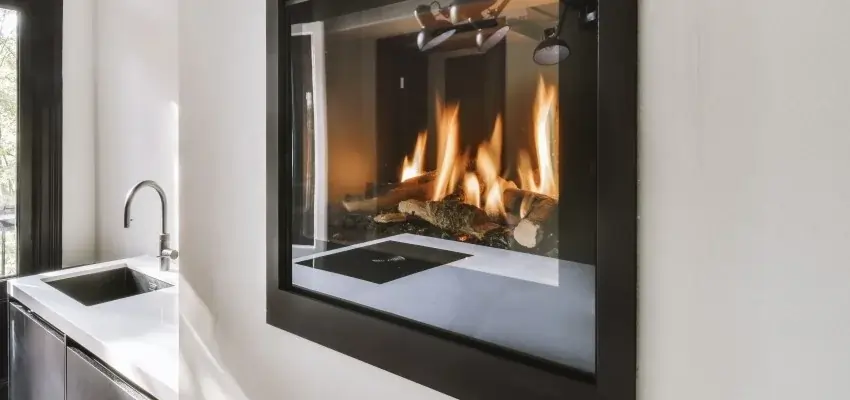
Every home is a little different, so your situation may raise a question that is not on this page. Call us at (587) 206-3388 and describe what you have noticed. We can talk through the options for your fireplace and set up a visit anywhere around Edmonton if it makes sense.
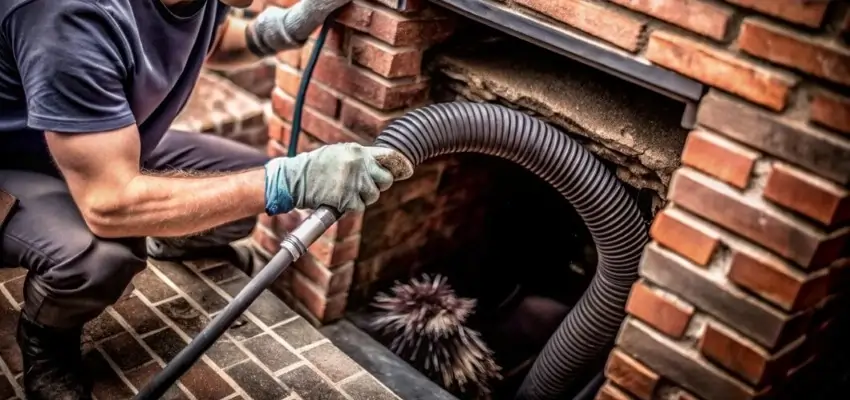
Less smoky smell, steadier flames: Chimney Cleaning around Edmonton
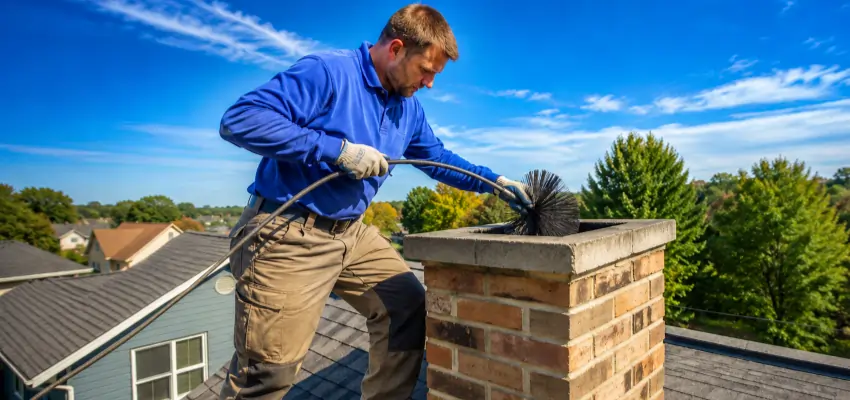
Creosote cleared, flue inspected: Chimney Sweep for Edmonton
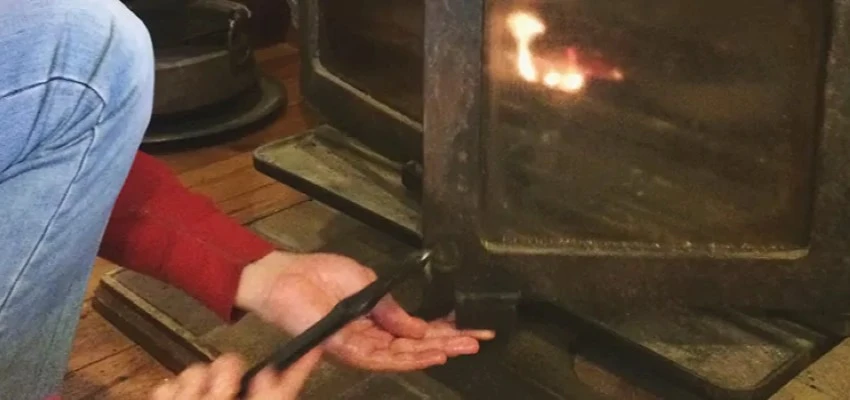
What's included in Chimney Sweep Services around Edmonton?
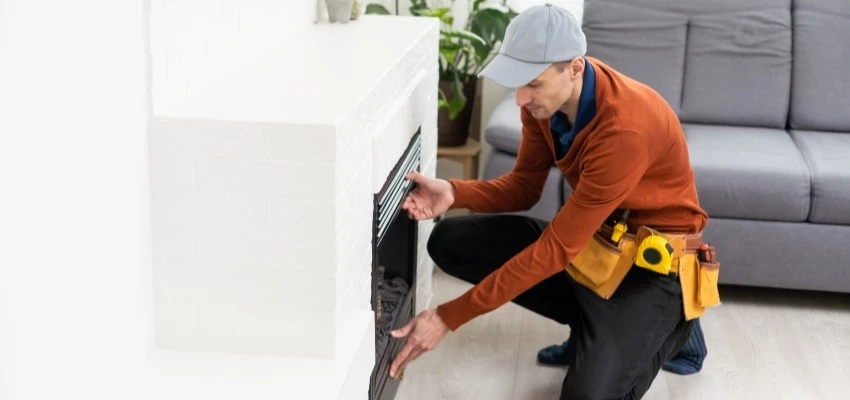
Before relighting in Edmonton, a visit from Fireplace Experts
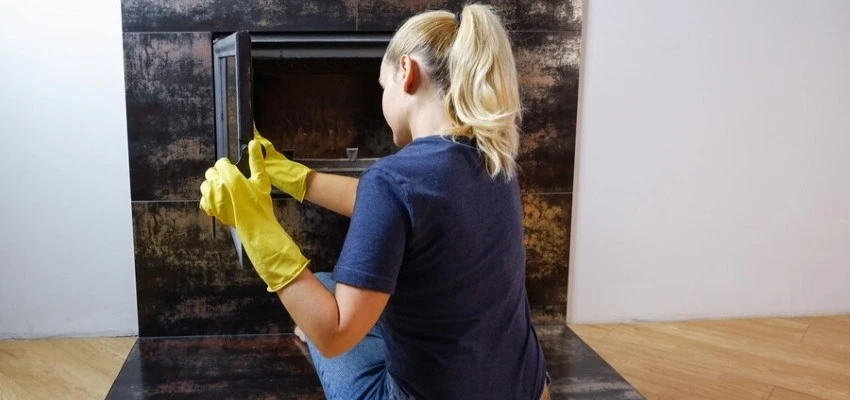
Gas Fireplace Cleaning, glass to burner ports
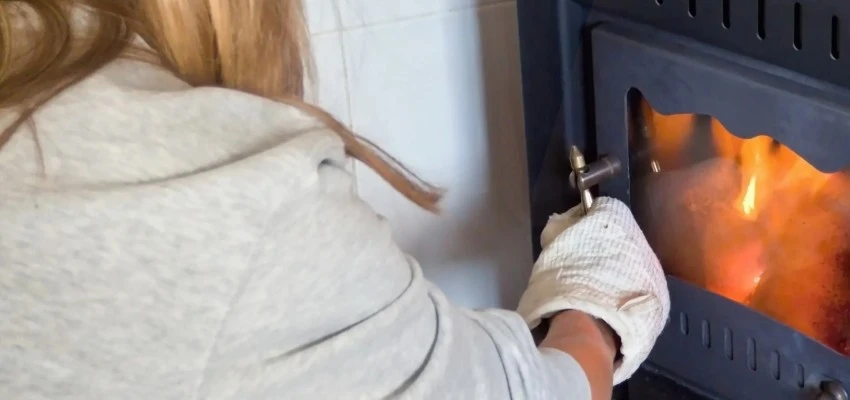
Burner ports, pilot hood, glass: Gas Fireplace Maintenance around Edmonton