Many fireplace repairs hinge on one practical puzzle: matching the right part to the right unit. Manufacturers refine their designs, product names change and older components are sometimes superseded by newer equivalents. Anyone in Edmonton who looked up “heat & glo fireplace repair” will find that puzzle explained below, along with what a repair visit looks like and how to keep Heat & Glo gas fireplace repair straightforward, from the first phone call to the final test run.
No, a dealer is not the only option. Independent technicians repair most major brands of gas fireplaces, inserts and wood stoves, because the core systems are similar from one maker to the next. What matters is that the technician identifies your exact unit from its rating label, follows the manufacturer’s installation and service instructions and uses the replacement parts those instructions call for. Dealers mainly sell and install new equipment, and some also offer service, but the choice of who works on your fireplace is yours. Ask anyone you call which types of units they handle and how they source parts.
A pilot that keeps dropping out almost always traces back to the flame, the sensor or the venting, and we check them in that order. A healthy pilot flame wraps the tip of the thermocouple or thermopile; a lazy, yellow or lifting flame usually means dust or spider webs in the pilot orifice. Next we measure the sensor’s output, because these parts weaken with age long before they fail outright. Finally, we inspect the vent and its outside cap, since a partly blocked vent can starve the flame. Cleaning or replacing pilot parts is work for a qualified gas technician, never a do-it-yourself job.
Most branded fireplaces wear out in predictable places, whatever name is on the front. Typical problems include:
None of these is unusual, and most can be repaired once the cause is confirmed.
A repair visit usually follows a clear sequence, starting with diagnosis. The technician asks what you have noticed, reads the model and serial label and makes sure the unit is cool and safe to open. On a gas fireplace, that means watching the ignition sequence, inspecting the pilot, burner and venting and checking connections for leaks. On a wood unit, it means looking at seals, baffles, firebricks and the flue connection. Once the cause is found, you should hear what failed, what the fix involves and whether a part has to be ordered. Simple repairs are often finished the same visit.
Most of the difference comes down to three things: the part, the access and the time it takes to find the fault. Parts vary widely, and an electronic module or valve costs far more than a gasket kit. Access matters because an insert boxed in by stone, or a stove squeezed into a tight alcove, takes longer to open up than a unit with room around it. Intermittent faults take the most diagnosis, since we may need to run the fireplace through several cycles to catch the problem. We explain those factors before starting and price parts and labor separately.
That depends on the model. Fireplaces with electronic ignition need power for the spark and controls, and many are designed to accept a battery backup so they can still light when the electricity goes out; your manual says whether yours has one and where the batteries go. Older standing-pilot designs make their own small current from the pilot flame, so they often keep working, although blowers and lights stop. If yours will not light during an outage, do not force it. Note the behavior and mention it when you book Heat & Glo gas fireplace repair, because a backup that has quietly failed is a common find.
Look for a rating label, usually a metal plate or heat-resistant sticker fixed near the controls or on the back. On built-in gas units, we often find it hanging on a small chain behind the bottom grille, or riveted to the side of the control compartment. Stoves tend to carry theirs on the rear panel or the underside. That label is the single most useful thing you can share, because it gives the exact model, the fuel type and the listing details we need before ordering parts. A sharp photo taken in good light saves a lot of back-and-forth.
Batteries are the usual cause, followed by pairing and then the electronics. On many units, the receiver near the valve runs on its own batteries, and homeowners often change the handset without realizing the receiver is the weak link. Power surges, outages and dropped remotes can also break the pairing between the two. If fresh batteries and re-pairing do not help, we test the receiver output and the valve’s response to it directly, which shows quickly whether the fault is in the remote system or in the fireplace. Replacing a remote kit is usually straightforward once the model is known.
No. Chimney Sweep Edmonton is an independent fireplace service company. We are not a dealer for Heat & Glo or any other manufacturer, and we do not claim a connection we do not have. What we bring to a gas fireplace repair is hands-on work with built-in units and inserts, the habit of reading the rating label first and the manufacturer’s own instructions for that model. When a part is needed, we source the item listed for your fireplace rather than a lookalike. If you were comparing results for “heat & glo fireplace repair”, ask every company the same question and expect a straight answer.
Use the short form to tell us what you need and when you are available. We confirm the details with you before anything is scheduled. Open the quote form and Chimney Sweep Edmonton will be in touch about Heat & Glo gas fireplace repair for your home.
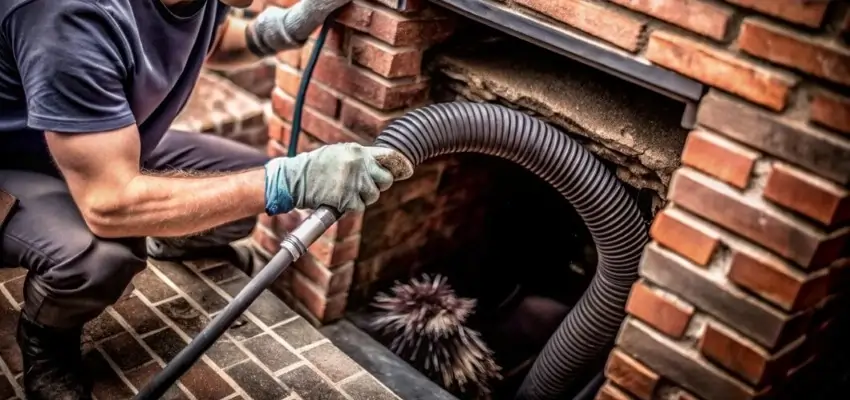
Less smoky smell, steadier flames: Chimney Cleaning around Edmonton
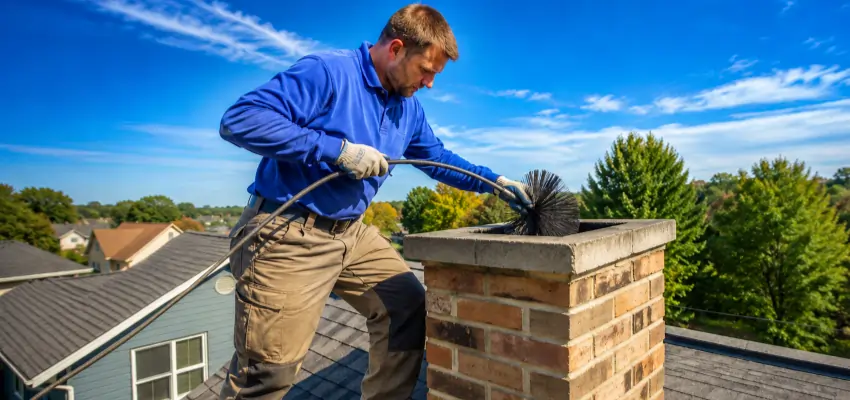
Creosote cleared, flue inspected: Chimney Sweep for Edmonton
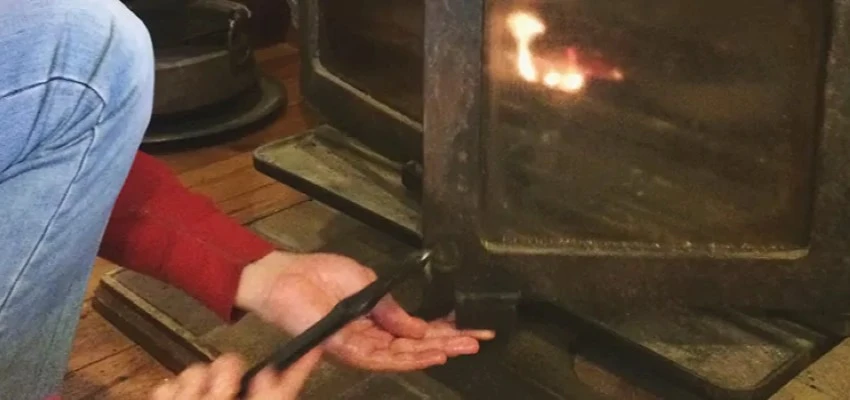
What's included in Chimney Sweep Services around Edmonton?
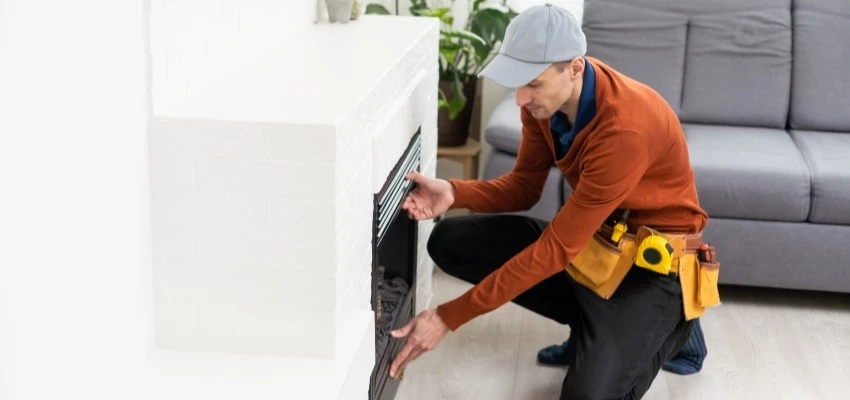
Before relighting in Edmonton, a visit from Fireplace Experts
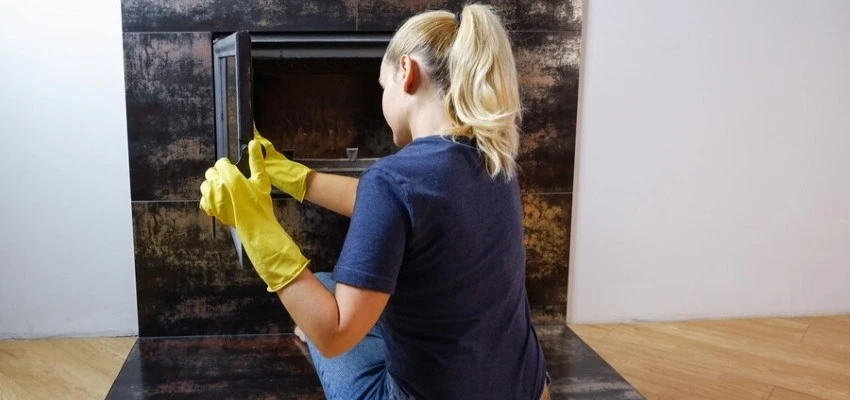
Gas Fireplace Cleaning, glass to burner ports
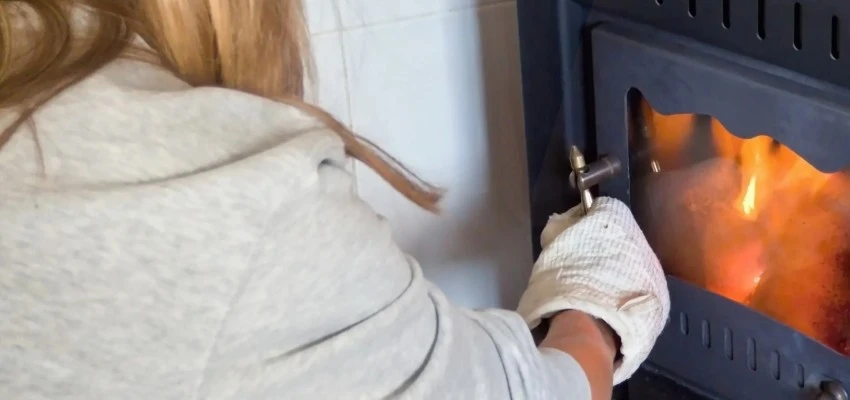
Burner ports, pilot hood, glass: Gas Fireplace Maintenance around Edmonton