Think of this page as a reference you can come back to. It covers the parts of owning a gas fireplace that cause the most confusion, from ignition and venting to remotes and routine care, and it explains where the homeowner’s role ends and the technician’s begins. If you landed here by searching for “gas fireplace repair” from Edmonton, you will find honest detail about gas fireplace troubleshooting and repair and no pressure to book anything.
The main difference is the fuel supply, and a fireplace can switch fuels only with the manufacturer’s conversion kit: natural gas arrives through a utility line, while propane is stored in a tank on the property. The fireplaces look alike, but each one is set up for a single fuel, with burner openings and pressure settings to match. Running a unit on the wrong fuel is unsafe, so a qualified gas technician must fit the conversion parts, and not every model can be converted. Both fuels carry an added sulfur-like smell. Propane is heavier than air and can pool in low spots, so any gas odor means leaving the home and calling your gas utility or propane supplier from outside.
A pilot light that keeps going out usually has a weak or dirty flame, a worn thermocouple or thermopile, or a draft pushing the flame away from its sensor, and relighting it over and over fixes none of those. Dust and spider webs around the pilot are common culprits, especially after months without use. Low gas pressure or a propane tank running low can cause the same symptom. The safety sensor is doing its job by shutting the gas off. A pilot that will not stay lit needs a qualified gas technician, and the pilot assembly should never be cleaned, bent or adjusted by the homeowner.
Fireplace glass usually cracks from heat stress, an impact or a problem with how it was mounted. A cold drink spilled on hot glass, a toy thrown against it, a frame that was overtightened or flames striking the glass from misplaced logs can all do it. Cracked glass should not be used, since the firebox is no longer sealed and the panel could fail further while hot. Replacement glass must be the heat-rated assembly specified for your fireplace, never ordinary window glass, and it needs a proper gasket seal. A “gas fireplace repair” visit can confirm the right part and install it safely.
A fireplace that will not light has a break somewhere in the chain of signal, spark, pilot and main burner, so we check those links in that order. A surprising number of no-start calls end with fresh batteries in a receiver hidden behind the lower panel. Next we watch for a spark or a glowing igniter; clicking with no flame often points to a dirty or misaligned igniter, or to gas not reaching the pilot. If the pilot lights but the burner never follows, the sensor or the valve may be at fault. Every step after the remote, the wall switch and the batteries involves gas components, so that part of the checking should be left to a technician.
For gas control parts, the safest approach is to use the part the manufacturer specifies for that model. Valves, pilot assemblies, burners, glass and gaskets are matched to the design and fuel of the fireplace, and substitutes can affect safety and combustion. Some components, such as universal remotes on simple systems, can be suitable, but a technician should decide where that is acceptable. Older or discontinued models sometimes have approved replacement parts from the maker. Ask any company quoting your “gas fireplace repair” which parts it plans to use and why.
The cost of gas fireplace work depends mainly on what the visit includes and which parts, if any, are needed. A routine cleaning and safety check is usually priced as a standard visit, while repairs add the part and the time to diagnose and install it. Parts vary widely: a battery pack or igniter is a small item, while a control valve or a full glass assembly is a larger one. Older or discontinued models can take longer to source parts for. Access matters too, such as a unit built into a tight space. Ask for a written quote that lists labor and parts separately.
Repair or replacement comes down to three things we check before recommending either path: the condition of the firebox and burner, whether parts are still available and how the fireplace has behaved over recent seasons. A solid unit with one failed part is almost always worth fixing. A unit with a corroded burner, a warped firebox or a discontinued valve is a different conversation, since each repair may cost more and buy less time. We also consider venting, because a new fireplace may need changes there too. Whatever we find, we lay out both options plainly and leave the decision with you.
It depends on the symptom, but when in doubt, leave the fireplace off until it has been checked. Stop using it right away if there is a gas smell, black soot, a carbon monoxide alarm, cracked glass, flames escaping the firebox or a pilot that keeps going out. For a gas smell, leave the home and call the utility from outside. Lesser issues, such as a remote that responds slowly or a noisy fan, are usually fine to live with for a short time. Do not open panels or attempt fixes on gas parts while you wait; simply keep the area clear and your carbon monoxide alarms working.
Compare the diagnosis behind each quote first, since most differences between repair quotes come down to it. One technician may quote a new valve because the fireplace will not light; another may have tested the sensor and found that a far smaller part is the real cause. When you line quotes up, ask each company how it reached its conclusion and what it measured. Check whether the visit fee is credited toward the repair, how long the part will take to arrive and whether the price covers the final leak check and test burn. The quote with the clearest reasoning is usually the one to trust.
Renovations, inspections and sales are all good reasons to check the parts of a home that are usually out of sight. We can fit the visit around your contractors or your listing date. Request a quote for gas fireplace troubleshooting and repair and mention your timeline.
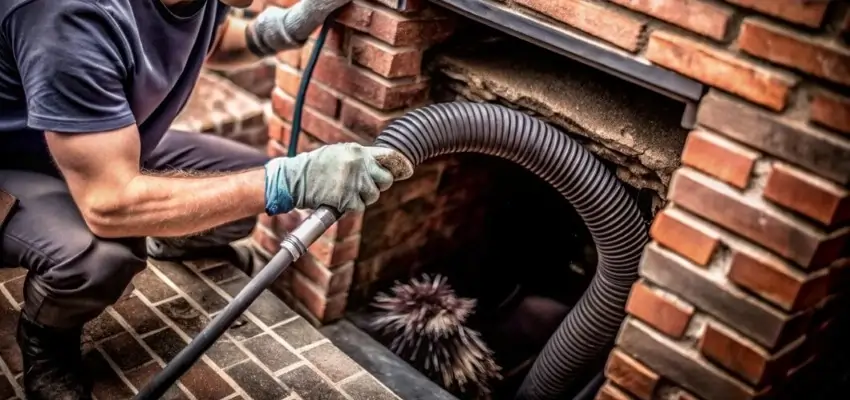
Less smoky smell, steadier flames: Chimney Cleaning around Edmonton
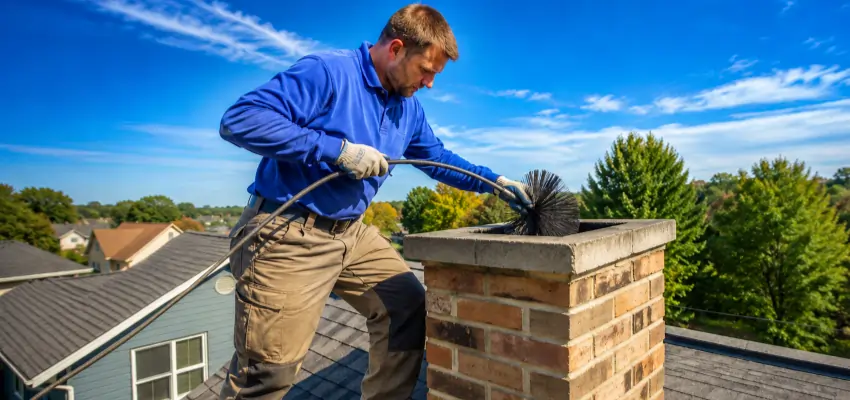
Creosote cleared, flue inspected: Chimney Sweep for Edmonton
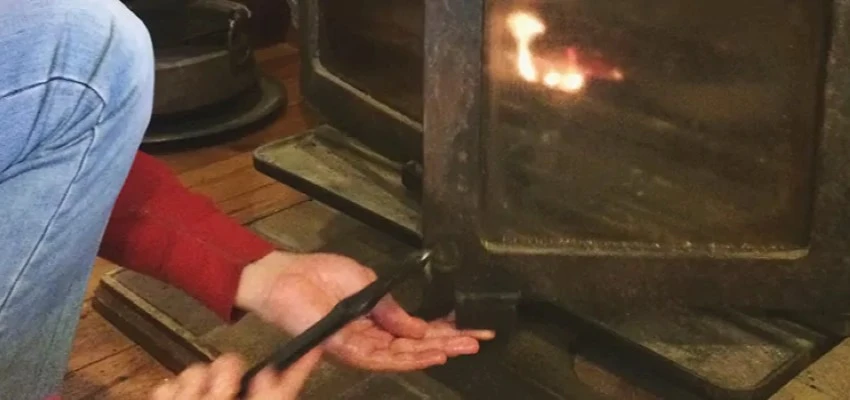
What's included in Chimney Sweep Services around Edmonton?
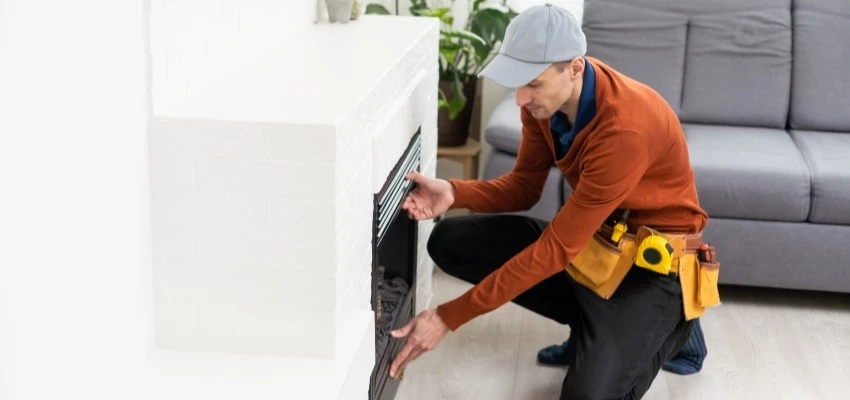
Before relighting in Edmonton, a visit from Fireplace Experts
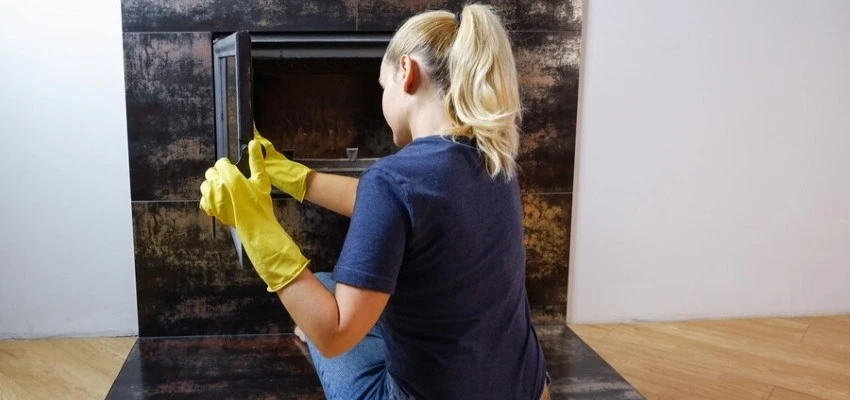
Gas Fireplace Cleaning, glass to burner ports
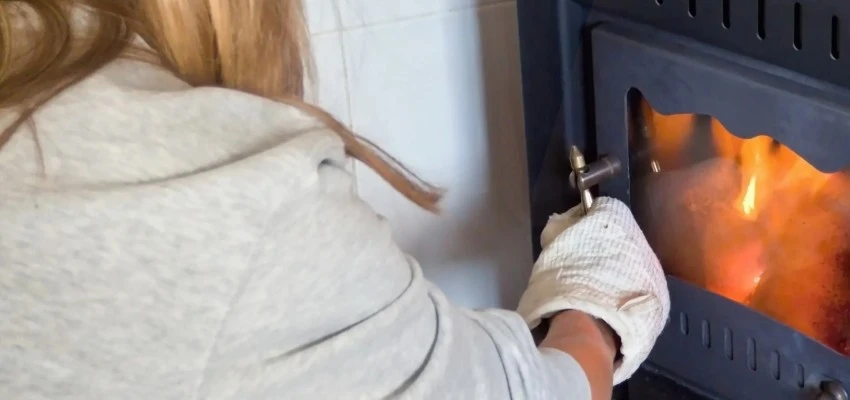
Burner ports, pilot hood, glass: Gas Fireplace Maintenance around Edmonton