A working gas fireplace adds warmth and atmosphere to a room with almost no effort, which is why it is so frustrating when it stops cooperating. Before you book anything, it helps to understand what is going on inside the unit. This page collects what homeowners in Edmonton want to know after searching “gas fireplace cleaning”, with clear answers about gas fireplace tune-up and cleaning, the safety basics and the routine care that keeps a gas fireplace dependable.
A gas fireplace works like a small heating appliance dressed up to look like a wood fire, with controls that decide when gas may flow and a flame source that lights it. When you press the switch, the control system confirms it is safe to proceed, the pilot or igniter supplies a flame and the main valve opens to feed the burner. A sensor sitting in the pilot flame, usually a thermocouple, thermopile or flame rod, proves the fire is there; without that proof, gas stops flowing. Older units run on a tiny current made by the pilot itself, while newer ones use batteries or household power. Knowing which design you own tells us where to look first when something fails.
A gas fireplace remote usually stops working because of weak batteries, a receiver that has lost its pairing or a receiver switch left in the wrong position. Replace the batteries in the handheld first, then in the receiver if your system has a battery-powered one. Many receivers sit behind the lower panel and have a small switch with on, off and remote settings; it needs to be on remote for the handheld to work. If the remote display lights up but the fireplace ignores it, the two may need pairing again using the steps in the manual. Wiring and valve problems are a job for a technician.
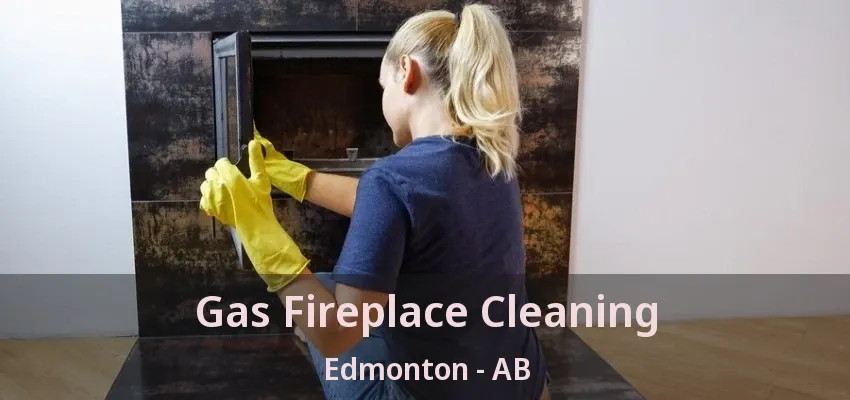
Cleaning usually covers the glass, the firebox interior, the logs or decorative media, the burner surface, the pilot assembly and the area around the controls, plus the louvers and any fan. Other parts are inspected rather than cleaned: the gasket around the glass, the gas connections, the vent and its outdoor cap, the safety sensors and the ignition. That split matters, because a visit described only as “gas fireplace cleaning” may or may not include the testing side. Ask whether the price covers both, since a sparkling fireplace with an untested safety shutdown is only half the job.
Gas fireplace logs should be arranged exactly as the manufacturer’s diagram shows, because each log is shaped and placed to sit clear of specific burner ports. The diagram is usually in the owner’s manual, and many logs have notches or pins that match marks on the grate. Moving a log even slightly can push flames into it, which leads to soot and poor burning. The same goes for embers and decorative media: a thin layer in the right spots looks good, while too much can block the gas flow. If a log is cracked, crumbling or missing, ask for a replacement made for your model.
Gas fireplace glass is cleaned with a cleaner made for fireplace glass and a soft cloth, once the fireplace is off and completely cool, to remove the white film that builds up inside. That cloudy film is a normal mineral deposit from burning gas, and ordinary household glass cleaners tend to smear it or leave residue that bakes on during the next fire. On sealed units, cleaning the inside means removing the glass front, and refitting it so the gasket seals evenly is part of keeping exhaust out of the room. Leave the inside of the glass to the yearly service and wipe only the outside yourself.
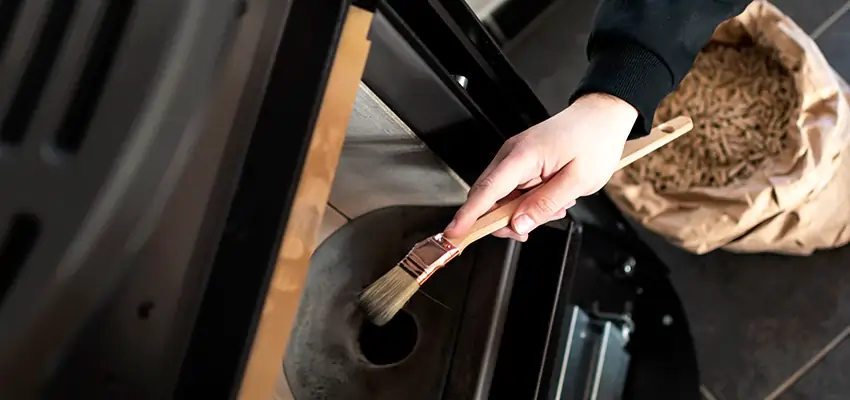
A routine gas fireplace service usually takes about an hour, sometimes a little longer for a large unit or one that has not been cleaned in years. Repairs vary more. A simple part swap may fit into the same visit, an intermittent fault can take longer to track down, and a part that has to be ordered means a second appointment. The fireplace also needs time to cool before the glass can come off, so if it has been running, switch it off well before the technician arrives. Plan to be home for the whole visit and for the final test run.
Wait until the fireplace is off and completely cool, then use a vacuum with a soft brush attachment on the outside louvers and grilles above and below the glass. Many fans draw air through the lower louver, so dust there affects how quietly the fan runs and how well it moves warm air. Wipe painted surfaces with a dry or barely damp cloth. Do not reach into the control compartment, remove panels that expose gas parts or spray cleaners into the openings. If the fan is noisy or the lower area is heavy with pet hair, leave the deeper cleaning for your next service visit.
When we finish, the fireplace should behave the way it did when it was new, or close to it: quick ignition, even flames, no soot and a smooth shutdown. We relight it with you present and walk through anything we adjusted or replaced. If we measured a sensor that still works but is getting weak, we say so, since it may be the next part to fail. The glass should be clear, the logs set to the diagram and the access panel secured. If anything about the fire looks different in the following weeks, call and describe it rather than holding off until next year.
Hiring locally makes follow-through easier, and gas fireplace work involves a lot of it: ordering a part, coming back to fit it, checking a fix after a few cold evenings. Being close by makes all of that easier for us and for you. Because the same builders tend to use the same fireplace models and venting layouts across a district, we often know where to look before the panel comes off. Calling Chimney Sweep Edmonton puts you in touch with people based around Edmonton who expect to see your fireplace again, and that expectation tends to encourage careful work the first time.
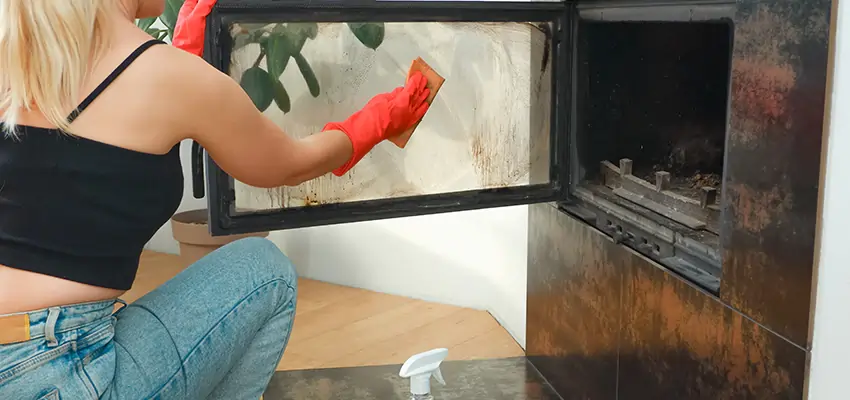
You can contact us just to ask whether a visit makes sense. If the answer is no, we will say so. If it is yes, we will explain why. Reach Chimney Sweep Edmonton at (587) 206-3388 for an honest opinion about your gas fireplace.
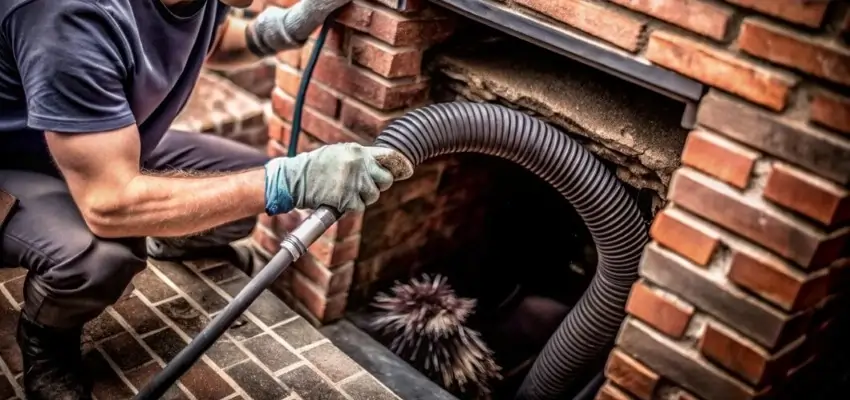
Less smoky smell, steadier flames: Chimney Cleaning around Edmonton
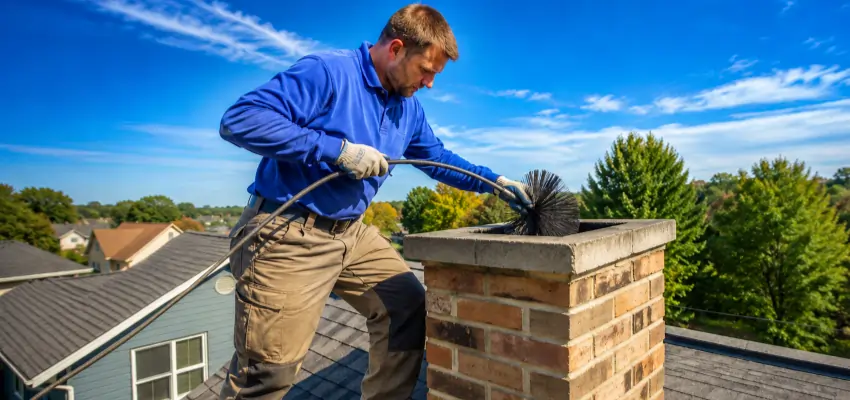
Creosote cleared, flue inspected: Chimney Sweep for Edmonton
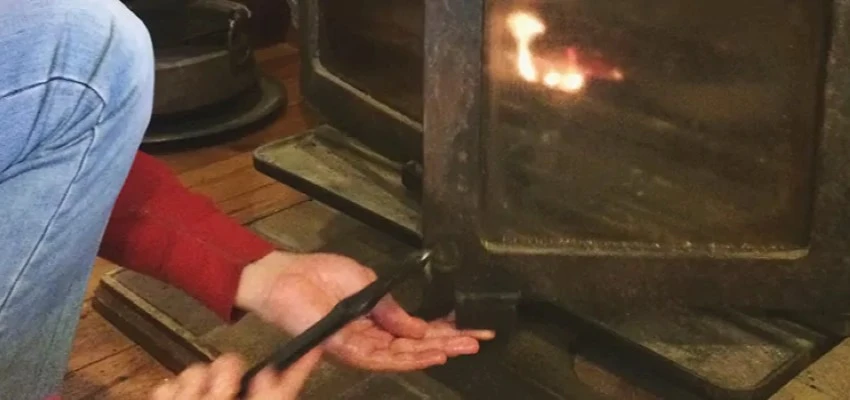
What's included in Chimney Sweep Services around Edmonton?
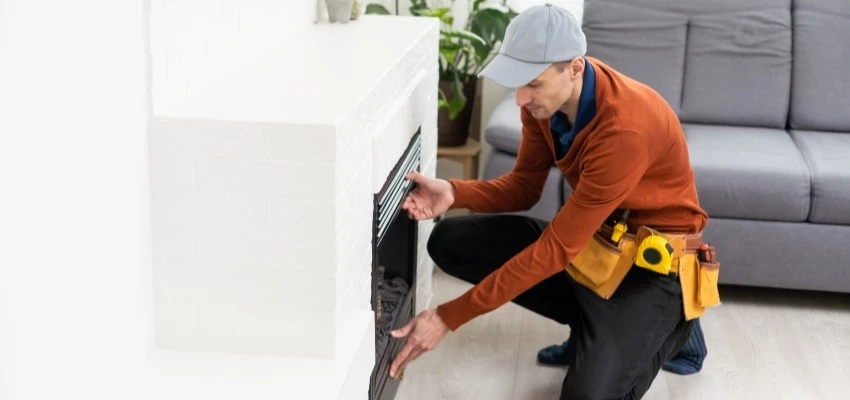
Before relighting in Edmonton, a visit from Fireplace Experts
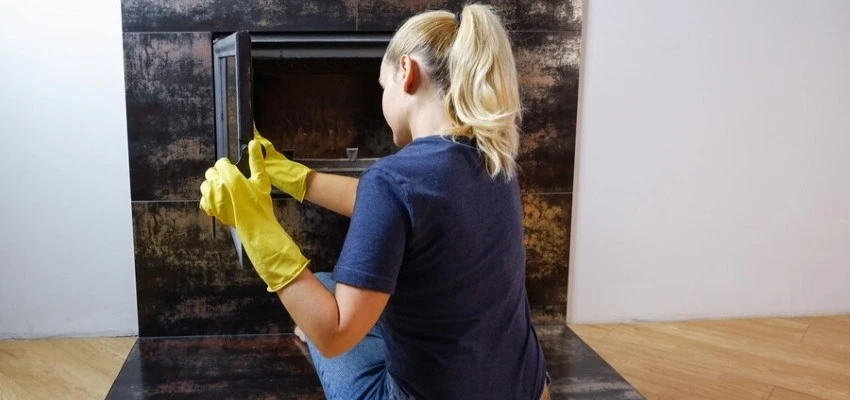
Gas Fireplace Cleaning, glass to burner ports
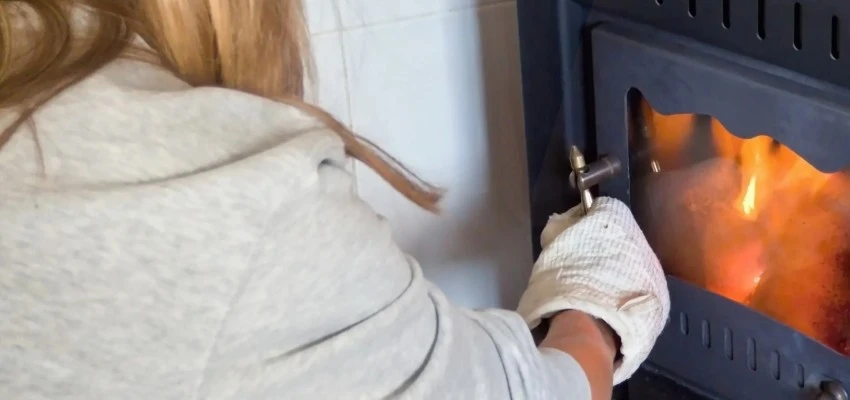
Burner ports, pilot hood, glass: Gas Fireplace Maintenance around Edmonton