Most of what homeowners ask about wood fires comes down to three worries: is it safe, is it working properly and what will it take to fix? This page tackles all three for households in Edmonton. If you arrived by searching for “fix non-working fireplace”, you will find fireplace troubleshooting and repair explained without jargon, with notes on what changes from one home to the next and which checks need no ladder or tools.
A wood-burning fireplace or stove needs regular care because every fire leaves residue behind, and that residue builds up where you cannot see it. Smoke cools as it rises and coats the flue with soot and creosote, which narrows the passage and can catch fire. Heat also slowly wears down mortar, firebrick, door seals and metal parts. Left alone for years, those small changes add up to poor drafts, smoky rooms and costly repairs. A yearly check, plus a sweep when buildup calls for it, keeps the fire drawing well and catches problems while they are still minor. Working smoke and carbon monoxide alarms complete the picture.
The clearest signs a fireplace needs repair are visible damage and changes in how it behaves. Look for cracked or loose firebrick, mortar that crumbles or leaves gaps, rust flakes falling into the firebox, a damper that sticks or will not close, and cracked tiles on the hearth or surround. Smoke drifting into the room, a strong odor in warm weather and water stains near the opening point to trouble too, often higher up in the chimney. Any one of these deserves a closer look before the next fire, and several together usually mean repairs are overdue.
Often it can, after a thorough check. Previous owners sometimes close a fireplace with a chimney balloon, a sheet of metal at the damper, a board over the opening or a permanent cap on the chimney. Once those are removed, the technician inspects the whole system, since a sealed fireplace may have been closed because of a problem such as a cracked flue or water damage. The flue is cleaned, the damper is tested and any repairs are quoted. If your search for “fix non-working fireplace” started with a blocked-off opening, ask why it was sealed before planning a fire.
A fireplace or stove usually smells when it is not in use because creosote and soot in the flue give off odor, especially in humid weather. Moist summer air reacts with those deposits and makes the smell stronger, and rain coming down an uncapped chimney adds a damp, musty note. The house can make it worse: kitchen and bathroom fans or a running dryer can pull air down the chimney and into the room. A sweep removes most of the source, a cap keeps rain out and a tightly closing damper cuts the downdraft. A sharp, rotten smell is different and can mean an animal in the flue.
A rebuild makes sense when patching would only buy a little time, and the telltale picture is easy to recognize: open joints across the back wall, bricks that shift when pressed and old repair mortar flaking away in layers. The work starts with careful demolition, taking out the damaged firebrick while protecting the damper and smoke chamber above. We check the masonry behind for heat damage, then set new firebrick with thin joints of refractory mortar, keeping the original shape so the fire draws as before. Factory-built fireplaces are different: they use refractory panels, replaced with parts made for that unit.

Diagnosis works through the system in order, from the simple to the hidden. The technician asks what happens when you light a fire, checks that the damper opens fully and looks for obvious debris. Next comes the flue, using a light or camera to look for nests, collapsed tiles or heavy deposits, and the cap and screen on the roof. Then the house itself is considered: fans, airtight windows and the size of the opening compared with the flue. Each step rules something out, so the repair targets the real cause instead of a guess.
The list of usual repairs is short and fairly predictable, and each item has a standard fix. Inside the firebox, we replace firebrick that has cracked or spalled and repoint joints where mortar has burned away, always with heat-rated refractory materials. At the throat, we free up or replace dampers that have rusted shut or no longer seal. Up top, we refit missing caps and patch cracked crowns before water does more damage. We also see loose hearth tiles, sagging glass door frames and smoke chamber walls too rough to clean properly. Each repair is small on its own; trouble comes from letting several pile up.
The schedule depends on how much you burn and how cleanly, more than on the calendar. For a household with occasional fires, a yearly visit usually finds a light layer ready to come out. Someone heating with a stove every day may need cleaning before the season ends, especially if the wood is not fully seasoned. Signs between visits help too: black flakes on the hearth, slower starts and darker glass all suggest buildup is growing. Jot down the date of each sweep along with how heavy the deposits were, and after a season or two the right interval becomes clear.
Repair quotes differ mostly because of scope, materials and access. Scope is the big one: replacing a damper handle and rebuilding a back wall are very different jobs. Materials matter because refractory mortar, firebrick and heat-rated tile are not the same as everyday masonry supplies, and matching a decades-old surround takes searching. Access matters when the problem sits high in the chimney or above a steep roof. When two quotes are far apart, one company is often fixing only the visible symptom while the other also fixes the cause. Asking each to explain what they found usually clears it up.
When the work is done, you should understand what was found, what was handled and whether anything needs attention later. That is how Chimney Sweep Edmonton closes every job. Book your visit and leave with a clear picture of your fireplace.
Less smoky smell, steadier flames: Chimney Cleaning around Edmonton
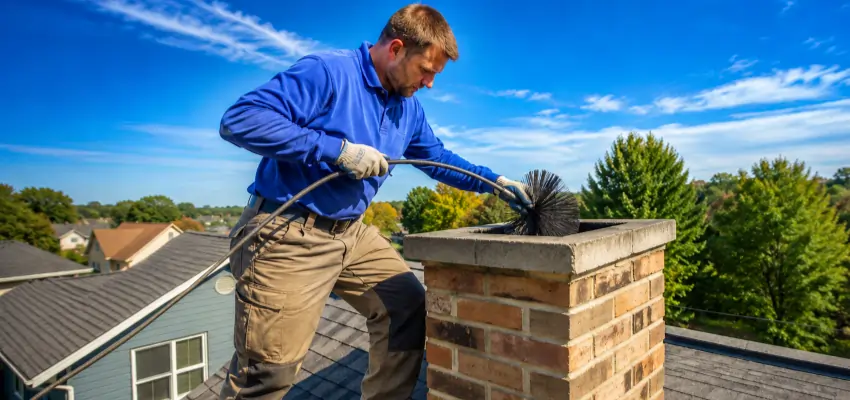
Creosote cleared, flue inspected: Chimney Sweep for Edmonton
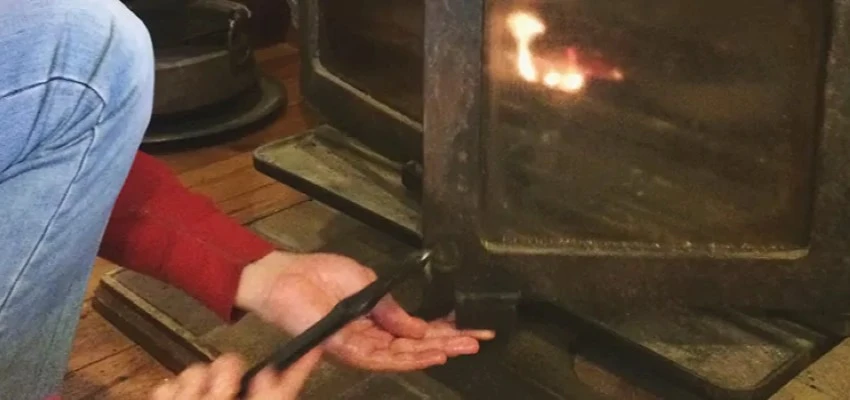
What's included in Chimney Sweep Services around Edmonton?
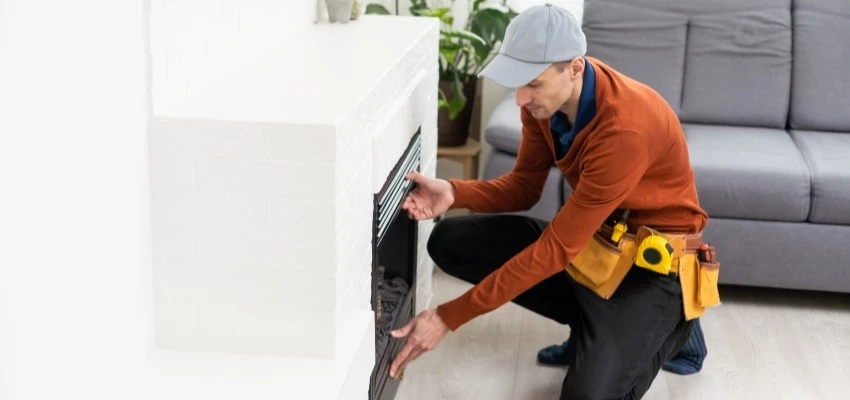
Before relighting in Edmonton, a visit from Fireplace Experts
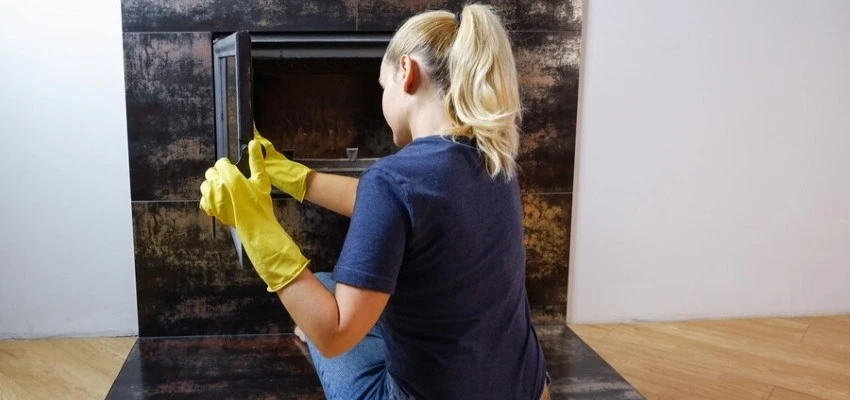
Gas Fireplace Cleaning, glass to burner ports
Burner ports, pilot hood, glass: Gas Fireplace Maintenance around Edmonton