A fireplace is often the centerpiece of a room, which is why changes to it deserve some thought. Whether you are looking up “fireplace throat services” to refresh a tired surround or to deal with damage you spotted inside the firebox, the answers below explain the work in everyday terms for homeowners in Edmonton. You will find what fireplace throat repair usually involves, what affects cost and timing and which parts of the job belong to specialists.
Usually, yes, as long as the structure behind the visible parts is sound. A fireplace that drafts well and has a solid firebox can often be refreshed or repaired with far less disruption than a full replacement, and the room gains a working focal point again. The value depends on the condition of the masonry, the damper and the chimney, how often you plan to use it and whether the work fixes a safety issue or is mainly cosmetic. Start with an inspection, then choose between cosmetic, repair and conversion work with a clear picture of what each involves.
The smoke chamber is the sloped space above the damper that funnels smoke from the wide firebox into the narrower flue. Its walls should be smooth so smoke flows upward without turbulence. In many older fireplaces, the chamber was left with stepped bricks and rough mortar, and over time that mortar can erode or crack. The result can be poor draft, smoke in the room and creosote building up on rough surfaces, and gaps may let heat reach nearby framing. Because it is hidden, the smoke chamber is usually checked with a light or camera during an inspection.
A damper that sticks, will not open or close fully, rattles in the wind or lets cold air and odors into the room when the fireplace is off is usually worn or damaged. Look for rust flakes falling into the firebox, a handle or chain that moves without the plate following, light visible around a closed plate and smoke in the room even with the damper open. Rust, warping from heat and debris lodged on the smoke shelf are the common causes. A damper stuck closed is a safety issue, so do not light a fire until it has been checked.
The smoke shelf is the flat or slightly curved ledge behind the damper, at the base of the smoke chamber. Its shape helps turn back cold downdrafts, but it also catches whatever falls down the chimney: soot, creosote flakes, leaves, nest material, mortar crumbs and rain. A shelf piled with debris can restrict draft, hold moisture against the masonry and, with creosote, add fuel near the fire. It is out of sight from the room, so it gets overlooked. Clearing and checking it is a standard part of fireplace throat repair and of a thorough sweep.
A throat service usually covers cleaning the throat and smoke shelf, checking and adjusting the damper and inspecting the masonry around the opening and up into the smoke chamber. Depending on what turns up, it can extend to freeing or replacing the damper, repointing joints with refractory mortar and smoothing the transition into the smoke chamber. A camera or mirror is used for areas that cannot be seen directly. When you collect quotes after a search for “fireplace throat services”, ask which of these steps are included as standard and which would be priced separately if needed.
Because what we find inside often changes the plan, every project should begin with an inspection. A makeover quote means little if the firebox behind it is cracked, and a gas conversion depends on the condition of the flue it will vent through. We look at the masonry joints, the damper and its frame, the smoke chamber walls above it and the liner or flue tiles, and we measure the opening. Then we tell you what the existing fireplace can support. Doing this first also avoids the worst outcome: covering damage that someone later has to tear out again.
A damaged smoke chamber is usually repaired by cleaning it, resetting any loose bricks and coating the walls with a heat-resistant mortar, a process called parging. The coating fills the steps between bricks and seals cracks, leaving a smooth, sloped surface that guides smoke into the flue. The work is done from inside the fireplace and from above with specialized trowels and tools, and the result is checked with a camera. Because the surfaces must be clean for the coating to bond, a sweep comes first. The new surface then needs time to cure before the fireplace is used.
We repair when the frame and plate are sound, and replace when they are not. Freeing a seized pivot, fitting a new handle or clearing debris off the smoke shelf is a modest job. Once the plate has rusted thin or warped badly, a matching throat damper can be hard to find for older fireplaces, so many homeowners choose a top-sealing damper instead. It closes at the chimney top with a gasketed lid, cuts drafts better than most throat dampers and keeps rain off the masonry. Installing one means roof work, which affects the quote, so we discuss both routes before starting.
Compare quotes line by line rather than by the total. Each should describe the same scope: what is removed, what is repaired, what new materials go in and who handles any gas, liner or venting work. Look for the material types, the finish details, protection and cleanup, disposal of old materials and any permit costs. Check how hidden damage would be priced if it turns up. A quote that looks much lower may simply leave out repairs another contractor included. Ask each company to explain anything vague before you decide.
We work in the neighborhoods around Edmonton every week, so we know the housing styles and the problems they tend to have. That local experience shapes every visit. Schedule fireplace throat repair with Chimney Sweep Edmonton at a time that suits you.
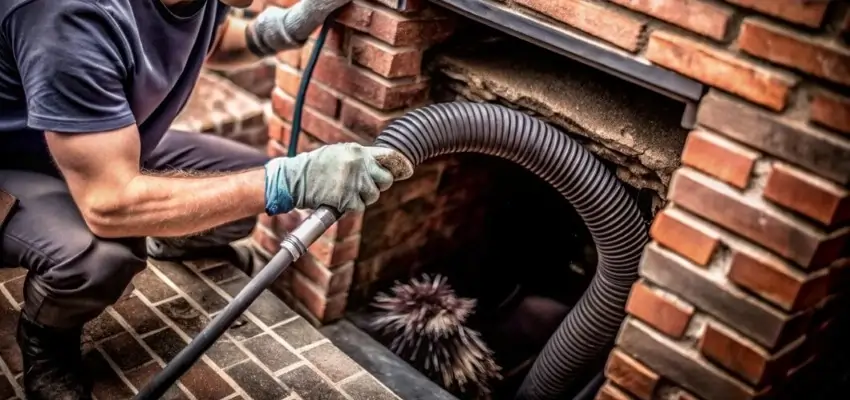
Less smoky smell, steadier flames: Chimney Cleaning around Edmonton

Creosote cleared, flue inspected: Chimney Sweep for Edmonton
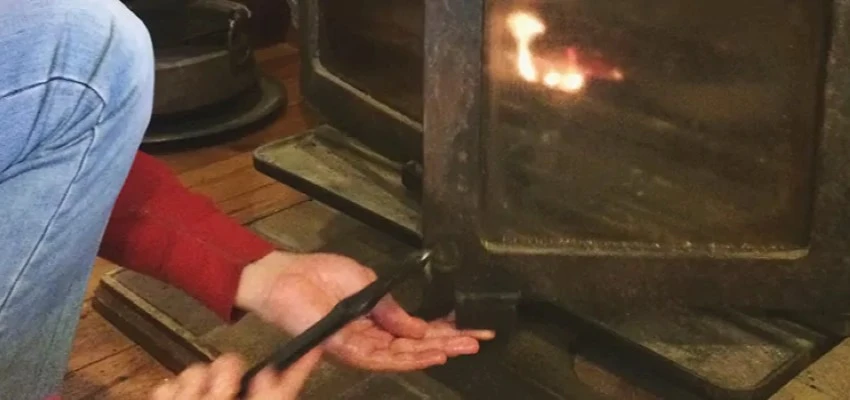
What's included in Chimney Sweep Services around Edmonton?
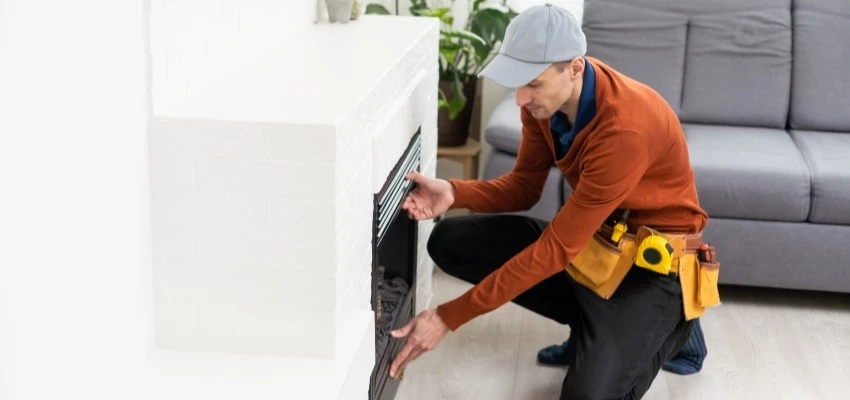
Before relighting in Edmonton, a visit from Fireplace Experts
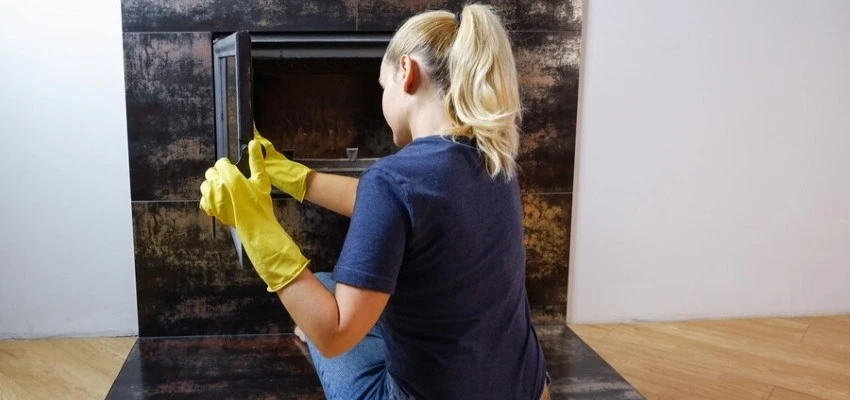
Gas Fireplace Cleaning, glass to burner ports
Burner ports, pilot hood, glass: Gas Fireplace Maintenance around Edmonton