Smoke, soot and heat are hard on masonry and metal, even when everything looks fine from the living room. Most of the wear happens inside the flue, where nobody notices it until a problem shows up. If “fireplace technician” is what brought you here, this guide walks homeowners in Edmonton through fireplace service in practical terms: what to watch for, what a visit involves and how to keep your fireplace in good working order.
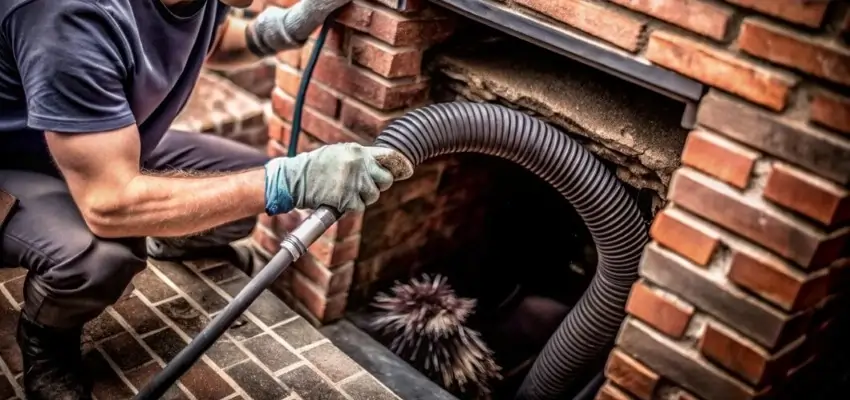
They are two different jobs, and we usually do them in the same visit. Sweeping is physical work: brushes and a vacuum clear the flue and everything between it and the fire until the surfaces are clean. Inspecting is looking and judging: we check for cracked flue tiles or firebrick, open mortar joints, a damper that no longer seals, a missing cap and combustible trim sitting too close to the heat. Doing both at once makes sense, because a freshly brushed flue reveals defects that a coated one conceals. The inspection notes are what tell you whether the fireplace is ready for the season.
Odor in warm months is one of the most common calls we get, and the cause is nearly always creosote reacting with humidity. Those deposits absorb moisture and release a stale campfire smell, which drifts indoors whenever the house draws air down the flue. We clean the flue to remove the source, check whether the damper seals and look at the cap, since rain soaking into soot makes things noticeably worse. In homes around Edmonton where the problem keeps returning, a top-sealing damper that closes at the very top of the chimney is often the change that settles it.
A fireplace or stove needs cleaning when the flue turns matte black and furry with deposits, or when fires start losing their pull. We judge it by thickness and texture, but homeowners can spot the effects from the hearth. Fires get lazy, drafts weaken and the room picks up a stale smell between uses. In stoves, the glass blackens faster and the baffle collects a crust. Heavy users often reach that point before the season ends, while occasional users may go a full year or more. When in doubt, a quick inspection settles it without guesswork.
A typical visit follows a simple pattern: listen, look, clean or repair, test and explain. The technician starts by asking what you have noticed, then inspects the firebox, damper, flue and, where possible, the chimney top. Cleaning or agreed repairs come next, with the room protected throughout. Before leaving, they check that the damper works, the cap is secure and nothing was disturbed, then walk you through the findings. If you searched for “fireplace technician” because of one specific problem, mention it first so it gets attention right away.
One to two hours covers most cleaning and inspection visits we make, with the chimney deciding which end of that range applies. Setup and floor protection take a few minutes, brushing takes the bulk of the time, and clean-up plus a walkthrough close things out. Tall chimneys, steep roofs and several flues stretch the visit, as do thick layers that need extra passes or special tools. Repairs are their own matter: a damper handle may be fixed on the spot, while firebrick or crown work gets a separate appointment. Since time shapes the price, an accurate description up front helps everyone.
We ask about the appliance, the house and the symptoms, because those three answers decide what we bring. Is it an open fireplace, a stove or an insert? One story or two? Any idea when it was last swept? Has anything changed, such as a renovation, a storm or a new smell? Those answers tell us whether to load tall ladders, a camera, pipe parts or masonry tools. Being specific about the problem also helps us say honestly whether a cleaning, an inspection or a repair visit is the right first step.
Dry, seasoned wood that has been split and stored for six months to a year or longer burns cleanest, because it lights easily and produces less smoke and creosote. Wet wood wastes heat boiling off water, smolders and coats the flue faster. Well-seasoned pieces are lighter, show cracks across the ends and sound hollow when knocked together, and an inexpensive moisture meter takes out the guesswork. Splitting and stacking wood in spring, off the ground and covered on top, usually has it ready for the colder months. Never burn painted or pressure-treated lumber, trash or cardboard boxes.
Look for hands-on experience with the type of fireplace or stove you own, whether masonry, factory-built or an insert. Ask how long they have worked on wood-burning systems, what kinds of repairs they handle themselves and how they keep up with new materials and methods. A good technician can describe common problems with your setup and how they solve them. Experience also shows in the questions they ask and how clearly they explain draft, creosote and cure times. Confidence without explanation is less reassuring than a patient, specific answer.
Local knowledge is the main reason: after enough visits in one area, we know its chimneys almost by heart. We learn which subdivisions have factory-built fireplaces from the same period, which older streets have unlined masonry flues and how local freezes, heat waves or storms treat crowns and caps. That background makes quotes more accurate and visits quicker. It also means Chimney Sweep Edmonton is close by if something comes up later or you want a second look. For homeowners in Edmonton, that familiarity usually saves time on the first visit and every one after it.

The hardest part is often deciding to deal with it. Once you call (587) 206-3388, we take care of the scheduling, explain the visit and send a technician to your home in Edmonton. It is a straightforward way to get your fireplace looked after.
Less smoky smell, steadier flames: Chimney Cleaning around Edmonton

Creosote cleared, flue inspected: Chimney Sweep for Edmonton
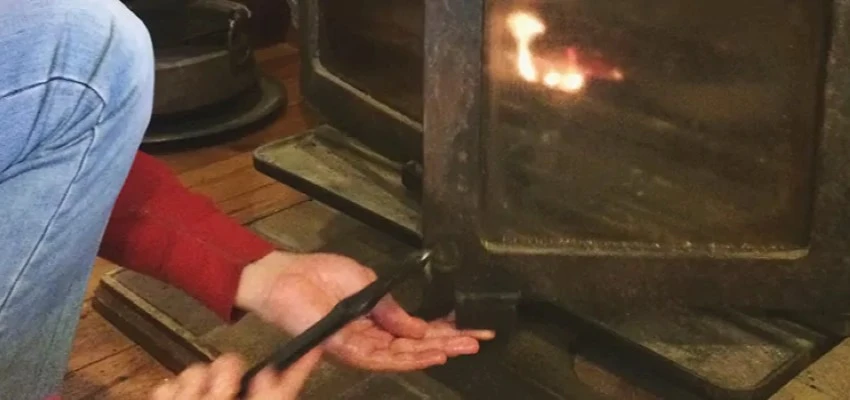
What's included in Chimney Sweep Services around Edmonton?
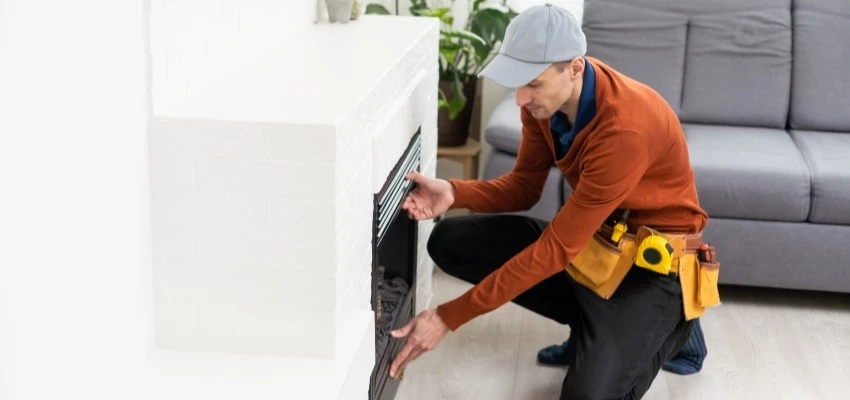
Before relighting in Edmonton, a visit from Fireplace Experts
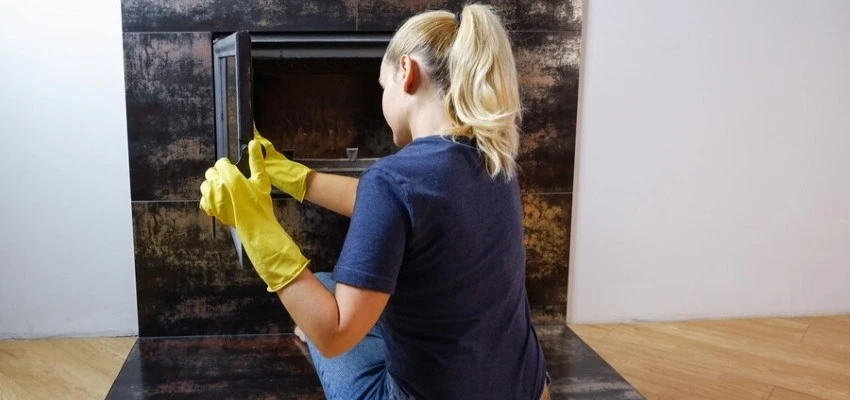
Gas Fireplace Cleaning, glass to burner ports
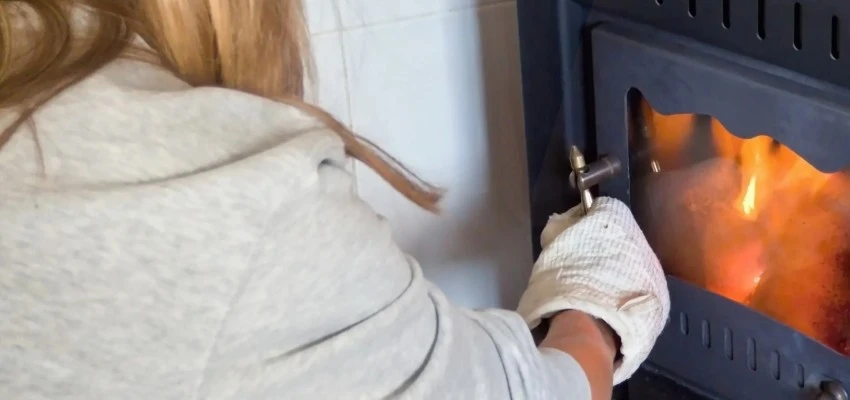
Burner ports, pilot hood, glass: Gas Fireplace Maintenance around Edmonton