Knowing a little about how your fireplace works makes every conversation with a technician easier. Why does creosote form? Which parts wear out? What is worth fixing now? Those threads run through this page, written for homeowners in Edmonton who searched for “fireplace sweep” and prefer to understand fireplace sweeping before deciding anything. Read it as a reference, whether or not you end up booking a visit.
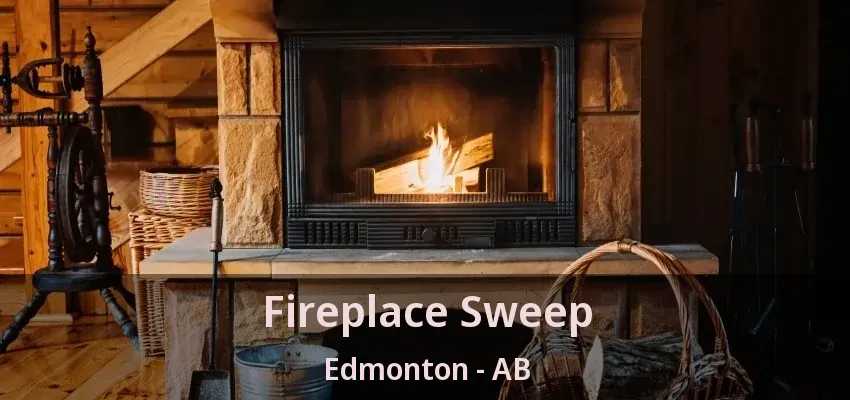
The term usually refers to cleaning the chimney flue above a fireplace, and sometimes to the person who does it. The work removes soot and creosote from the flue, the smoke chamber and the smoke shelf, then clears the firebox below. Many people search for “fireplace sweep” when they mean a chimney cleaning, and the two are essentially the same job for a wood-burning fireplace. A thorough sweep also includes a look at the damper and cap, since the technician is already examining the whole smoke path.
The signs fall into two groups: what you hear during the fire and what we find after it. A fast chimney fire is often described as sounding like a freight train or a jet engine, with popping as tiles and deposits heat up. In that moment, the only job is to leave the house and call the fire department. Afterward, we look for creosote that has swelled into a honeycomb texture, discolored or distorted metal, cracked liner sections and stains where smoke escaped through gaps. Those clues matter because a quiet chimney fire can damage a flue without anyone noticing.
Smoke spills when the house wins a tug-of-war with the chimney. A warm chimney pulls air upward; anything that weakens that pull lets smoke roll out of the opening instead. On calls like this we check the damper first, then look up the flue for blockages, then consider the house itself, because range hoods, dryers and tight windows can make the home pull harder than the chimney. Sometimes the opening is simply too large for the flue, or the chimney is too short for nearby rooflines. Each cause has its own fix, from a smoke guard to a taller flue or a better air supply.
A smoky odor is handled by removing the creosote and soot that cause it, then stopping air from carrying what remains into the room. A thorough sweep of the flue and firebox is the first step and takes care of most of the smell. After that, a damper that seals properly, a cap that keeps rain off the deposits and glass doors on an open fireplace all help. Some homeowners leave a tray of baking soda or activated charcoal in the cold firebox during warm months to absorb lingering odor. A sharp or rotten smell points to an animal in the flue instead.
Not usually in one pass. Glazed creosote is a hard, shiny coating that standard brushes tend to skate over. Removing it may take rotary tools with chains or carbide heads, chemical products that change the glaze into a brittle form that can be brushed off, or several visits spaced over a season. The approach depends on the flue type and condition, since aggressive tools can damage a weak liner. If a technician finds glaze during a “fireplace sweep” visit, expect a conversation about options, cost and why it formed, so it does not build up again.
A common guideline is to have the chimney inspected once a year and swept whenever buildup calls for it, which for many households also works out to about once a year. Homes that burn a fire most evenings through the colder months may need a sweep more often, sometimes partway through the season, while a fireplace used a few times a year may go longer between cleanings. Wood stoves used as a main heat source tend to build up creosote faster. Damp wood, smoldering fires and cold outside chimneys all shorten the interval, so let the yearly check guide the schedule.
Everyday upkeep is a homeowner job, but sweeping and inspecting the chimney are better left to a professional. Safe tasks include removing cold ashes, cleaning glass doors with a product made for fireplace or stove glass, keeping the hearth area clear, checking that the damper opens and closes and testing smoke and carbon monoxide alarms. Brush kits are sold, but they cannot tell you whether the liner is cracked, the smoke chamber is coated or the cap is damaged, and climbing onto a roof brings its own risk. A professional visit includes a look at the parts you cannot see.
The questions that reveal the most are about scope and evidence: what is cleaned, what is inspected, how findings are shared and how extra work is priced. It is also reasonable to ask who will do the work, whether they handle masonry repairs themselves and how long any repair would need before the first fire. Asking how they deal with glazed creosote or a stovepipe that has to come apart shows quickly whether they have done it before. A technician who knows wood-burning systems answers each of these in a sentence or two, without hedging or upselling.
Look for a company that explains its thinking and backs it with evidence; that is what we would want from anyone working on our own homes. A team that knows the work asks what kind of appliance you have, how you use it and what you have noticed. On the visit, it shows you the inside of the flue rather than handing down a verdict, and it tells you plainly when something can wait. Careful setup and clean-up say a lot about the rest of the job. Scare tactics are a red flag, because a real problem can be shown in a photo and explained calmly.
The systems that keep a home comfortable tend to work quietly in the background until something goes wrong. A planned visit is a calm way to keep your fireplace in good shape. Request a quote from the Chimney Sweep Edmonton team in Edmonton.
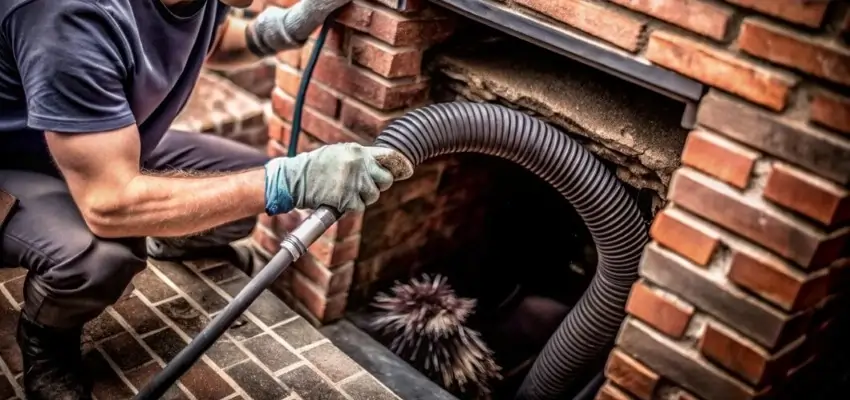
Less smoky smell, steadier flames: Chimney Cleaning around Edmonton
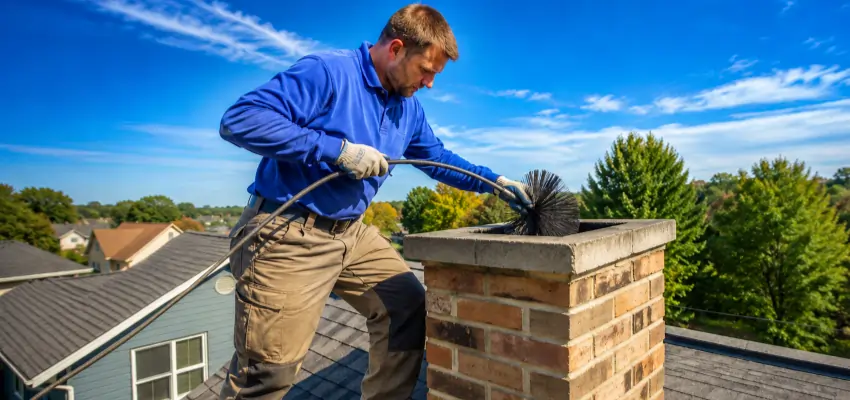
Creosote cleared, flue inspected: Chimney Sweep for Edmonton
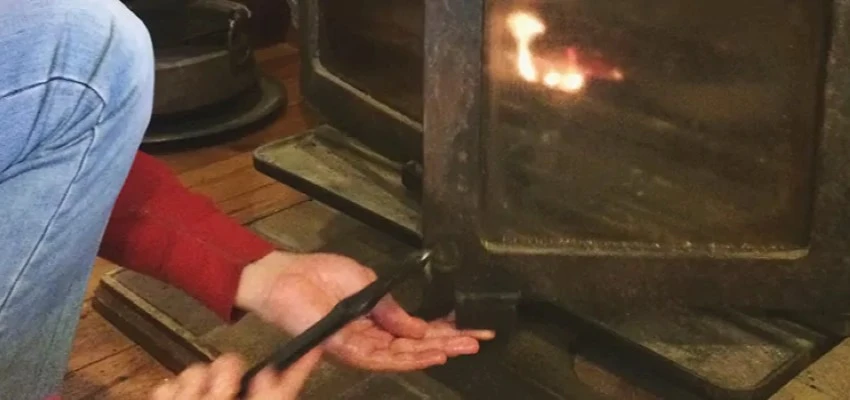
What's included in Chimney Sweep Services around Edmonton?
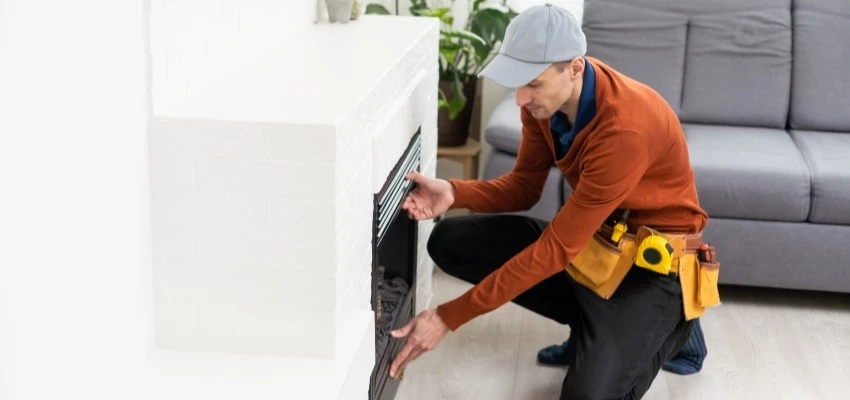
Before relighting in Edmonton, a visit from Fireplace Experts
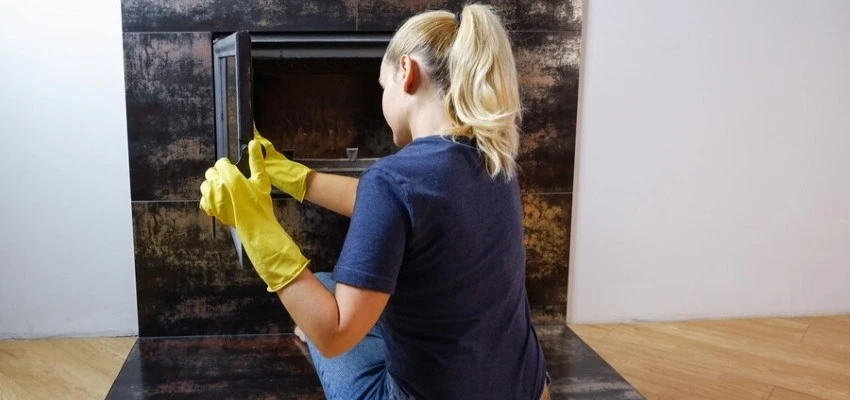
Gas Fireplace Cleaning, glass to burner ports
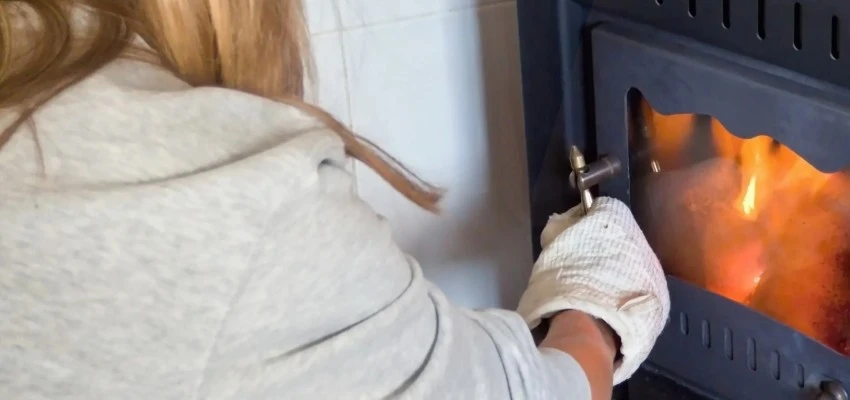
Burner ports, pilot hood, glass: Gas Fireplace Maintenance around Edmonton