Not every fireplace needs a big project. Sometimes a few bricks and fresh mortar do the job; sometimes a dated surround is all that stands between you and a room you love. Searching for “fireplace smoke shaft repair” is a sensible first step toward telling those situations apart. The answers below help homeowners around Edmonton understand smoke shaft repair, set realistic expectations and decide what their fireplace actually needs.
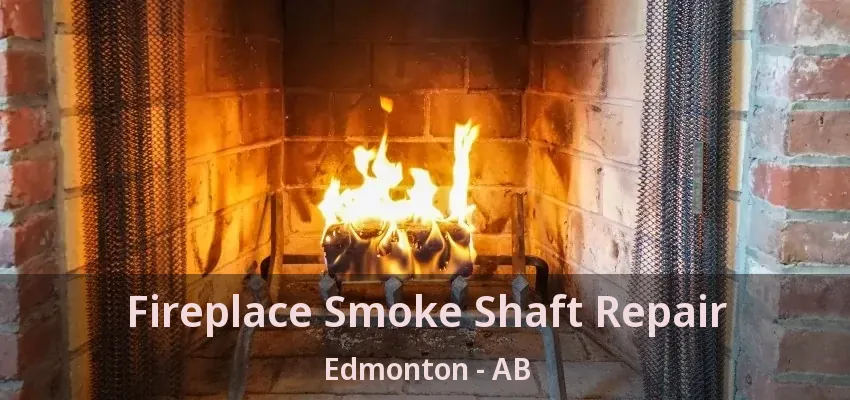
It is the transition zone between the throat and the flue, and it does more work than most people realize. Shaped like an inverted funnel, it gathers smoke and guides it into the flue opening. When we look up past the damper with a camera, we often find corbelled brick steps, missing mortar or a layer of glazed creosote clinging to rough walls. Those surfaces slow and swirl the smoke, which can push it back into the room and let deposits build. A smooth, sound chamber helps the fireplace draft properly and keeps hot gases away from the house structure.
In most homes we see, yes, but the answer comes from inside the fireplace rather than its surface. A dated surround over a healthy firebox and a working damper is a good candidate for improvement. Cracked firebricks, a rough smoke chamber or a rusted damper are worth fixing in their own right, since they affect how safely the fireplace burns. Where we hesitate is when the chimney itself needs major rebuilding, because then the budget conversation changes. We look at the whole system first, explain what we find and let you weigh appearance against function.
Lingering smoke usually means the draft has weakened as the fire cooled. A smoldering fire produces little heat, so a chimney that is cold, too short or partly blocked stops pulling well. Exhaust fans, a tight house and a damper that is only partly open make it worse. Rough or damaged surfaces in the smoke passage also slow the smoke and let it roll back into the room. Burning dry wood, letting the fire die out fully before closing the damper and cracking a window can help, but persistent smoke deserves a look at the whole passage during smoke shaft repair.
A damaged smoke chamber is usually repaired by cleaning it, resetting any loose bricks and coating the walls with a heat-resistant mortar, a process called parging. The coating fills the steps between bricks and seals cracks, leaving a smooth, sloped surface that guides smoke into the flue. The work is done from inside the fireplace and from above with specialized trowels and tools, and the result is checked with a camera. Because the surfaces must be clean for the coating to bond, a sweep comes first. The new surface then needs time to cure before the fireplace is used.
The inspection usually starts with a flashlight and mirror from the firebox, then a camera on a flexible rod that travels up past the damper through the smoke chamber and into the flue. The camera shows cracks, missing mortar, creosote and debris that cannot be seen from below. Sometimes the passage is swept first so the surfaces are visible, and a technician may also check from the roof. You should receive photos or video and a plain explanation of what each image shows. Ask for that record when you book an inspection after searching for “fireplace smoke shaft repair”, since it makes quotes easier to compare.
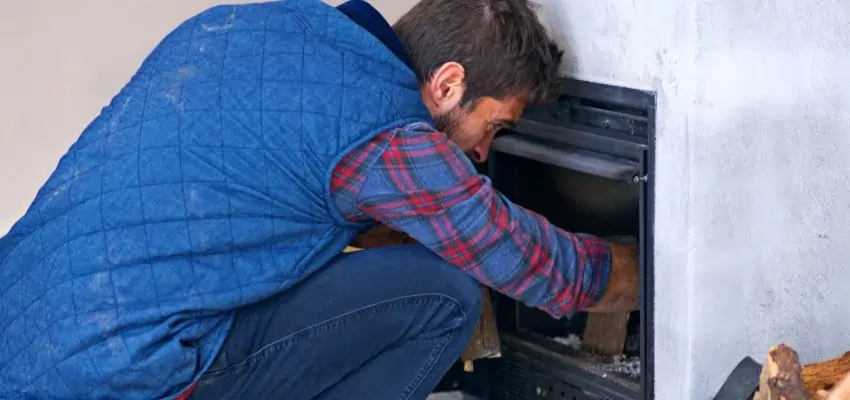
A careful crew protects the room with drop cloths, plastic sheeting and tape before any cutting, chipping or grinding starts. Masonry and tile work create fine dust, so the fireplace opening is often sealed and a vacuum with fine filtration runs during the dustiest steps. The flooring in front of the hearth and the path to the door should be covered too. Expect some noise and a little dust despite the precautions, especially if old mortar or a surround is being removed. Ask how cleanup is handled at the end of each day and once the job is done.
It depends on where you live and what the work involves. Purely cosmetic changes, such as painting brick or swapping a mantel shelf, often need no permit, while gas line work, installing a new insert or fireplace, changes to the chimney or structural masonry frequently do. Rules differ from one municipality to the next, so check with your local building department or ask the contractor to confirm. A professional company should know the local requirements and tell you whether it will arrange the permit and inspection or whether that falls to you. Get that answer in writing before work begins.
Masonry repairs inside the firebox, throat and smoke chamber are jobs for a professional, because they need refractory materials, the right technique and a view of hidden areas. Homeowners can still do useful things: remove cooled ashes, keep the hearth clear, burn dry wood in moderate fires and look at the firebox walls with a flashlight for new cracks or loose mortar. Note anything you see with a photo and a date. Avoid patching cracks with general-purpose caulk or mortar, which fail in high heat and can hide damage that needs proper repair.
Choose a contractor who inspects before quoting, explains the plan in plain language and shows photos of similar finished work. Fireplace projects mix trades, so ask who does the masonry, who handles any gas work and whether a qualified gas technician is involved for conversions. A written quote should list materials, curing or waiting time and how surprises are handled. Read recent reviews for comments on tidiness, communication and whether jobs finished on schedule. Be wary of anyone who wants to cover a damaged firebox or smoke chamber with a new finish without fixing it.
Older homes often hide earlier repairs, odd layouts and materials that need a careful approach. Our technicians take the time to see how earlier work on your fireplace was done before recommending anything. Call (587) 206-3388 to talk about your home.
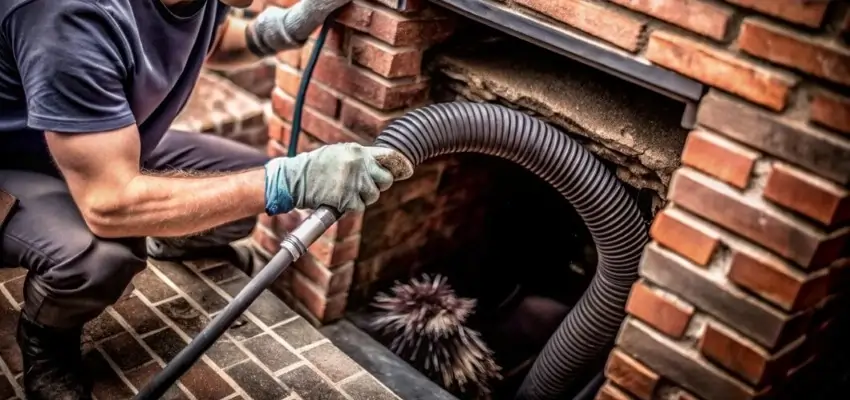
Less smoky smell, steadier flames: Chimney Cleaning around Edmonton
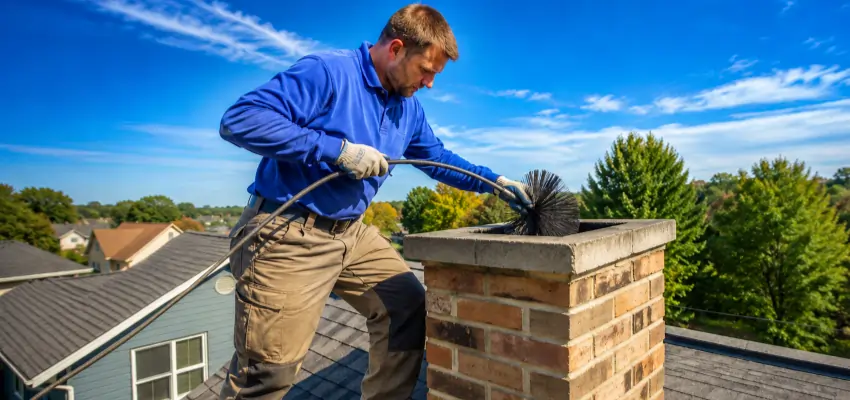
Creosote cleared, flue inspected: Chimney Sweep for Edmonton
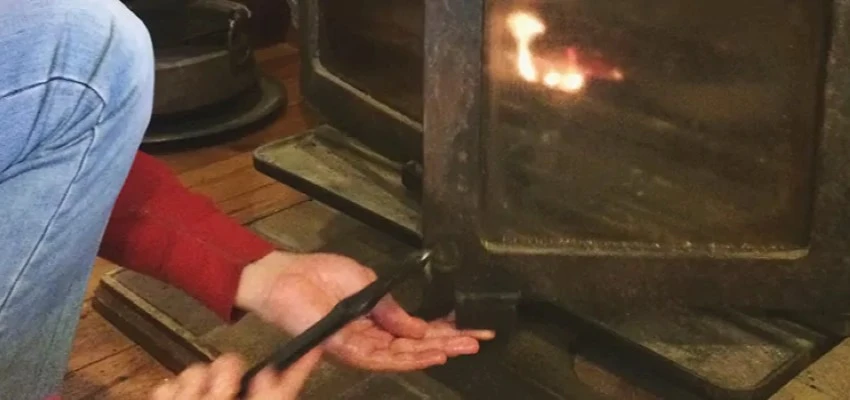
What's included in Chimney Sweep Services around Edmonton?
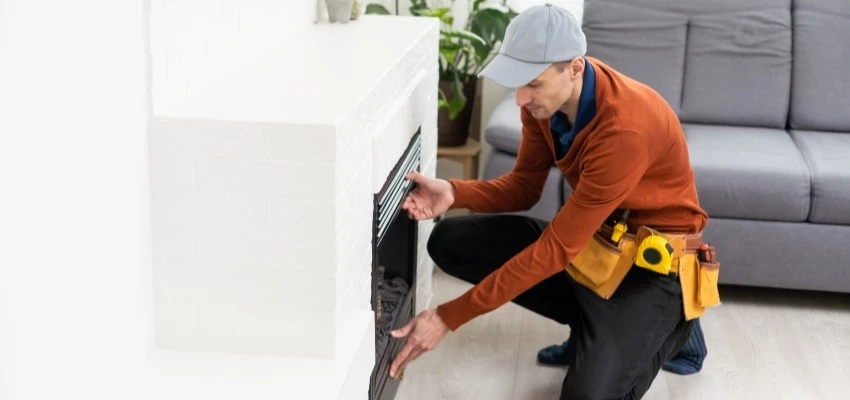
Before relighting in Edmonton, a visit from Fireplace Experts
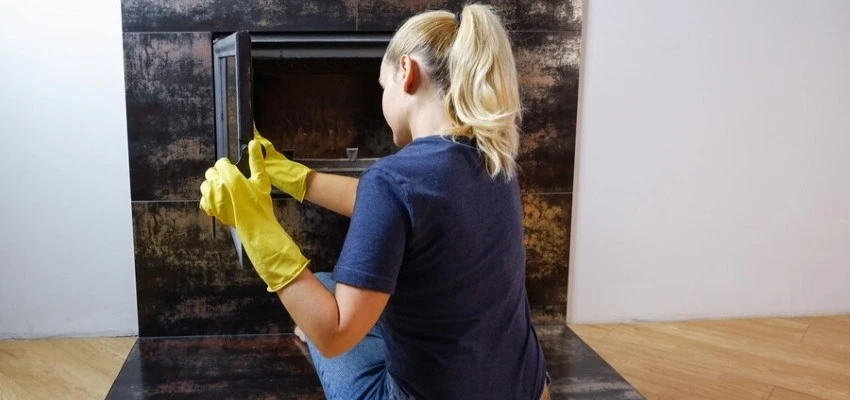
Gas Fireplace Cleaning, glass to burner ports
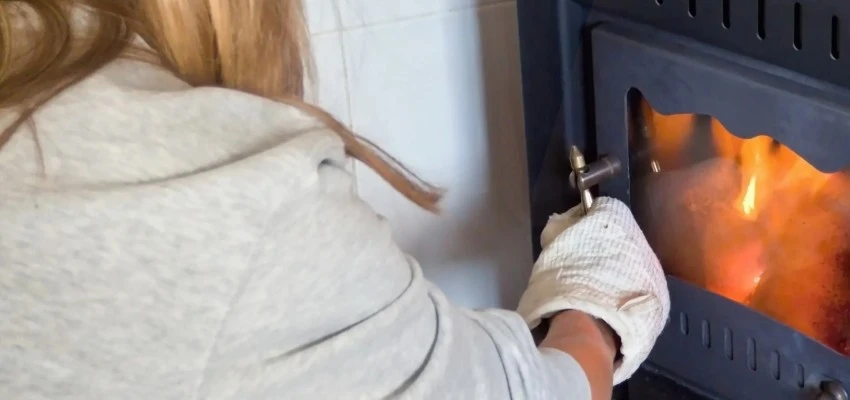
Burner ports, pilot hood, glass: Gas Fireplace Maintenance around Edmonton