Smoke, soot and heat are hard on masonry and metal, even when everything looks fine from the living room. Most of the wear happens inside the flue, where nobody notices it until a problem shows up. If “fireplace service company” is what brought you here, this guide walks homeowners in Edmonton through fireplace service in practical terms: what to watch for, what a visit involves and how to keep your fireplace in good working order.
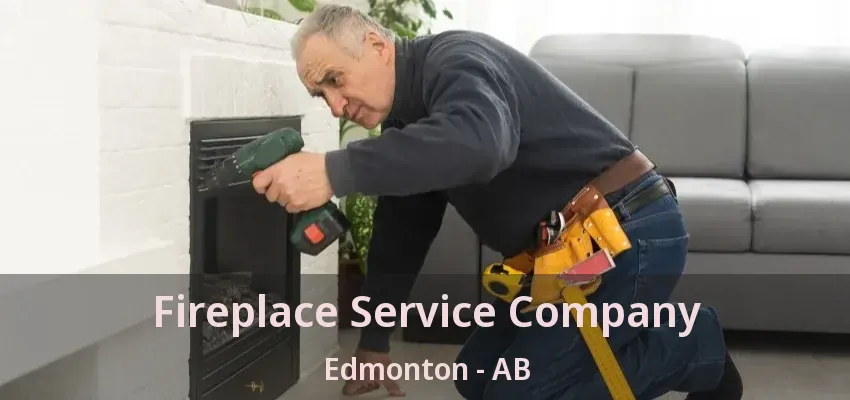
Regular care catches problems that build slowly and out of sight, and a fireplace that has gone years without a visit shows exactly that pattern. The flue carries a crust of creosote, the cap is clogged with leaves or missing, and joints in the firebox have eroded from repeated heating. None of it happened overnight, and most of it would have been a simple fix earlier on. Neglect also hides things like a cracked flue tile or a rusted damper, which only show up when someone looks. Routine service is really about knowing the condition of a system you trust with an open flame indoors.
The cost depends mainly on how much work the visit involves and how hard the chimney is to reach. Key factors include the height of the chimney and the pitch of the roof, the number of flues, how much creosote has built up and whether it has glazed, and whether the visit includes an inspection or a camera scan. Stoves with pipe to take apart and older fireplaces with rough smoke chambers can add time. Repairs and parts are normally quoted separately. A written quote that lists what is included makes it easier to compare companies fairly.
The schedule depends on how much you burn and how cleanly, more than on the calendar. For a household with occasional fires, a yearly visit usually finds a light layer ready to come out. Someone heating with a stove every day may need cleaning before the season ends, especially if the wood is not fully seasoned. Signs between visits help too: black flakes on the hearth, slower starts and darker glass all suggest buildup is growing. Jot down the date of each sweep along with how heavy the deposits were, and after a season or two the right interval becomes clear.
Leave it largely as it is, apart from unburned logs and decorative pieces. We actually prefer to see the firebox before anyone tidies it, because what lies on the floor tells a story: black flakes suggest creosote breaking loose above, mortar crumbs point to joint wear and gritty debris can mean a crown or cap problem. Shoveling out warm ash is the one thing to avoid, since embers can survive in an ash bed for days. If the pile is overflowing and stone cold, removing some of it is perfectly fine.
Preparing mostly means letting the fire go out and making room. Stop using the fireplace or stove at least a day ahead so everything is cold when the technician arrives. Clear the mantel, move furniture, rugs and decorations a few feet back from the hearth and take down anything hanging nearby. Make sure there is a clear path from the door, and plan to keep pets and children in another room during the work. If the roof will be accessed, unlock gates and move vehicles away from the side of the house where a ladder will go.

Thoroughly dry wood is what keeps a fireplace or stove burning cleanly, and dryness affects buildup more than anything else a homeowner controls. When we find heavy, tarry creosote, our first question is about the woodpile. Freshly cut logs hold a lot of water, and all of it has to steam off before the wood really burns, cooling the fire and sending sooty smoke up the flue. Species matters less than people assume; dry pine burns cleaner than wet oak. Buying wood early in the year, or checking it with a moisture meter before it goes into the fireplace, keeps sweeps light.
Ask about scope, evidence and pricing, since those answers reveal most of what you need to know:
It is also fair to ask whether they work on your type of appliance. Specific, confident answers are reassuring; vague ones are a cue to compare another company.
Organization shows before, during and after the visit. Before, you should get a confirmed appointment, an arrival window and a reminder of how to prepare. During, the technician arrives with the right equipment for the job described, protects the room and keeps you informed. After, you receive notes or photos, a clear invoice and an easy way to ask questions. When you are comparing results for “fireplace service company”, small details such as returned calls and accurate paperwork are a good preview of how carefully the work itself will be done.
On the first call, a good company should explain what a visit includes, what affects the cost and what it needs to know about your fireplace. Expect questions about the type of fireplace, how often you burn and what problems you have noticed. The person should be willing to explain cleaning, inspection and repair in plain terms, give a realistic arrival window and describe how findings are shared. If a “fireplace service company” offers a firm repair price over the phone without seeing the fireplace, treat it as a rough guess only.
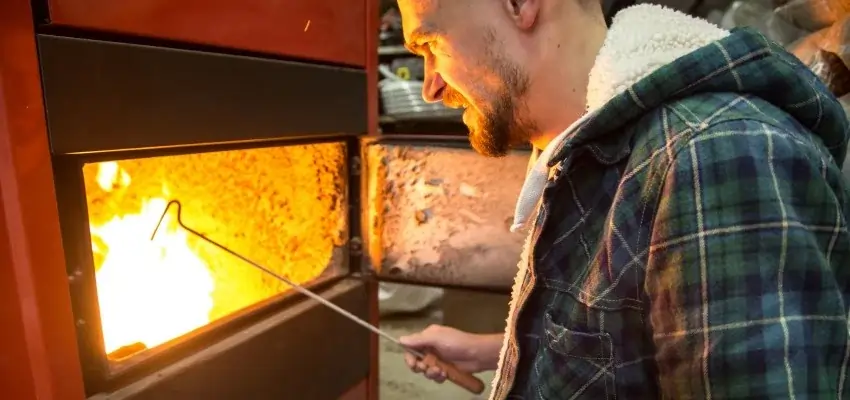
Many homeowners like to schedule this before the busiest heating or cooling months, when everything is about to work hardest. If that sounds like a sensible plan for your home in Edmonton, reserve a visit with Chimney Sweep Edmonton and we will confirm a time with you.
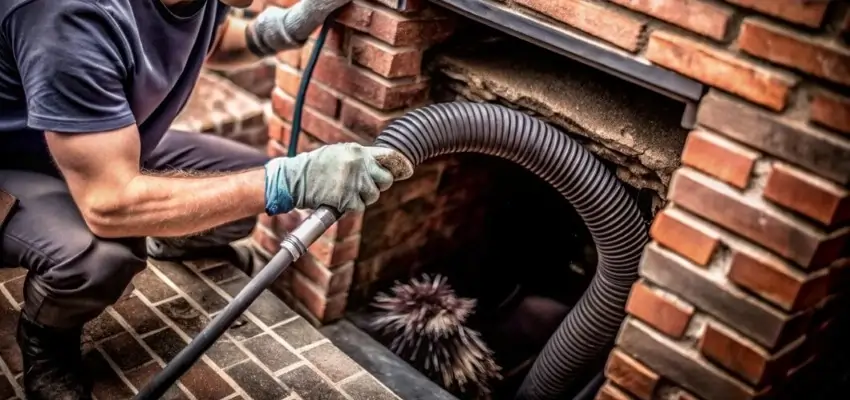
Less smoky smell, steadier flames: Chimney Cleaning around Edmonton

Creosote cleared, flue inspected: Chimney Sweep for Edmonton
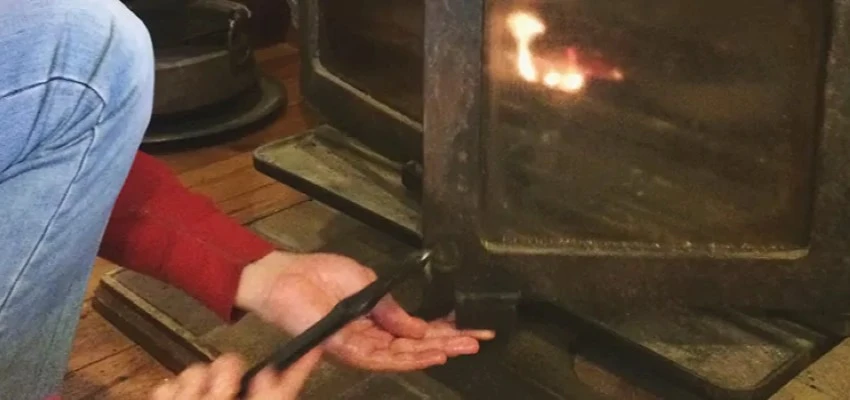
What's included in Chimney Sweep Services around Edmonton?
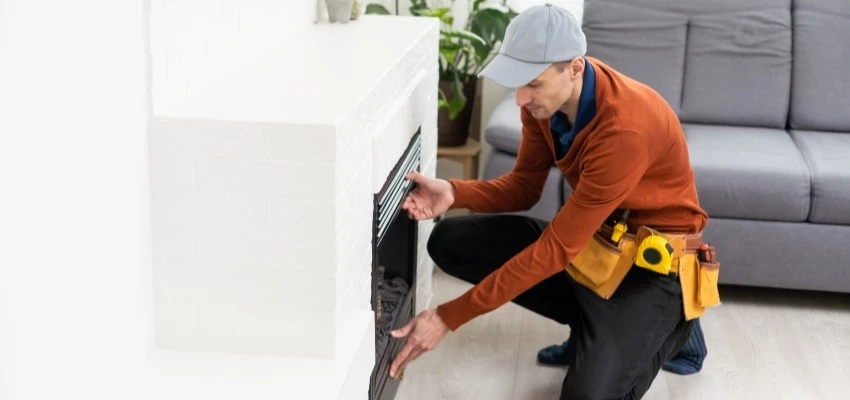
Before relighting in Edmonton, a visit from Fireplace Experts
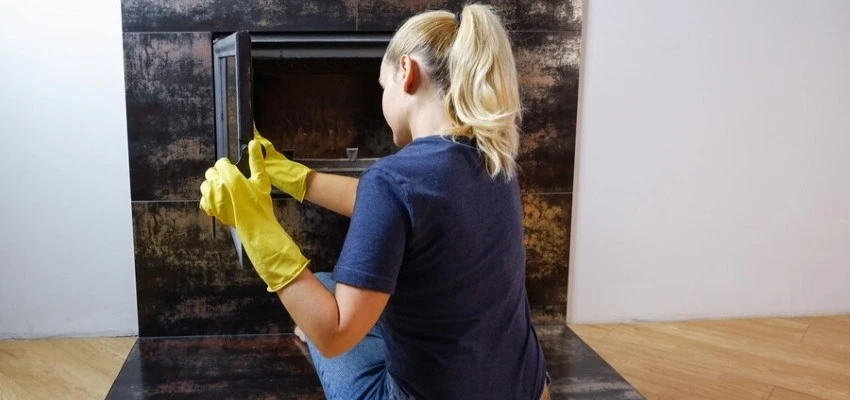
Gas Fireplace Cleaning, glass to burner ports
Burner ports, pilot hood, glass: Gas Fireplace Maintenance around Edmonton