A fireplace is often the centerpiece of a room, which is why changes to it deserve some thought. Whether you are looking up “fireplace restore & refurbish services” to refresh a tired surround or to deal with damage you spotted inside the firebox, the answers below explain the work in everyday terms for homeowners in Edmonton. You will find what fireplace restoration and refurbishing usually involves, what affects cost and timing and which parts of the job belong to specialists.
Restoration is usually the stronger choice when the structure is sound and the fireplace has character worth keeping, such as original brick, tile, cast iron or carved woodwork. Restoring means repairing the firebox, damper and smoke chamber, then cleaning, repairing or refinishing the visible parts. Replacement makes more sense when the firebox is failing badly, the fireplace was poorly built for safe use or you want a completely different style or fuel. An inspection shows which path fits, and many homeowners end up with a mix: restored structure and refreshed surfaces.
Often they can. Tiles are removed one at a time with care and cleaned, and the old adhesive is ground off their backs before they are reset on a sound base. Cracked tiles can sometimes be repaired, and missing ones replaced with salvaged or reproduction pieces chosen to match. Tiles that are still firmly attached may only need cleaning and fresh grout. Some old tiles are fragile, so a few losses are possible even with careful handling. If original tiles are part of the reason you searched for “fireplace restore & refurbish services”, make their protection a written part of the plan.
Restoration typically begins with an inspection and cleaning, then moves from the inside out. Damaged firebricks and mortar joints are repaired with refractory materials, the damper is freed or replaced and the smoke chamber is repaired if needed. Next come the visible parts: brick or stone is cleaned with methods gentle enough for its age, original tiles are reset or matched, metal fronts and doors are cleaned and refinished and the mantel is repaired. The goal is a fireplace that works safely and looks like itself again, not like something new.
Original fireplace materials are often no longer made. Antique tiles, handmade brick, specific stone and old cast iron pieces may have to be sourced from salvage yards or specialist suppliers, or reproduced to order, and each route takes time. Mortar color also needs testing so new joints blend with old ones. Planning for these lead times keeps the job from stalling halfway. A good contractor will tell you which items are easy to source and which may take weeks, and suggest alternatives if a perfect match is not available. Ask about lead times when you request fireplace restoration and refurbishing quotes.
The working time is usually shorter than the calendar time. A damper or firebrick repair may take a few hours, and a surround can be refaced in a few working days, but mortar and adhesives need curing time and gas work needs scheduling and testing. Materials are the other variable: custom stone, a made-to-order mantel or an insert can take weeks to arrive. We give homeowners two dates when we plan: when work starts and when the fireplace can be used again. For most families the second date matters most, especially heading into the colder months.
The ideal start is an empty room around a cold fireplace. We need space to set up dust protection, a route for heavy materials such as stone or a mantel and somewhere to mix or cut outside. Take down pictures or a TV mounted above the opening, since vibration from chipping can loosen them. Let us know about alarms, pets and parking. If a gas line is involved, the gas technician may need access to the meter or the basement. Final finish choices, like grout color or stain, should be settled before day one so the job does not stall.
Most of what keeps a fireplace looking and working well happens between our visits. A yearly inspection is the backbone, because it catches mortar joints, damper parts and smoke chamber surfaces before they deteriorate. Day to day, the habits that matter are dry firewood, moderate fires and a hearth kept free of things that can scorch. New surrounds need little beyond gentle cleaning, though natural stone may benefit from occasional sealing if the supplier recommends it. On gas conversions, the yearly check shifts to the burner, ignition and venting. A short note after each visit helps everyone spot trends.
When homeowners show us competing quotes, the gap usually comes from scope. One quote may cover a new surround but say nothing about the cracked firebricks behind it; another includes the repair and the curing time. We suggest laying them side by side and asking three questions of each: what exactly is being fixed, what exactly is being installed and what happens if something unexpected turns up when the old finish comes off. Clear, specific answers point to a contractor who has thought the job through. Vague ones usually mean extras later.
Knowing the area saves time on almost every fireplace job. In older and newer neighborhoods alike, we see the same brick styles, the same original dampers and the same surround materials again and again, so we can often predict what is behind a finish before it comes off. We also know which suppliers stock matching brick, stone and refractory materials and how long their orders take. Projects that need several visits, with curing time in between, run more smoothly when the crew is close by. And if a question comes up after the work, you can reach us directly.
We are glad to explain the process, the likely timing and what affects the price before you decide anything. Most people find that a few minutes of conversation answers the questions this page could not. Send us a message and we will reply with clear next steps.
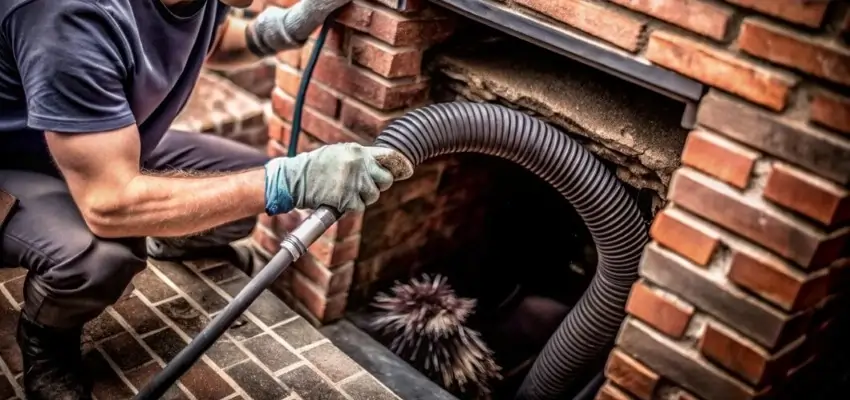
Less smoky smell, steadier flames: Chimney Cleaning around Edmonton

Creosote cleared, flue inspected: Chimney Sweep for Edmonton
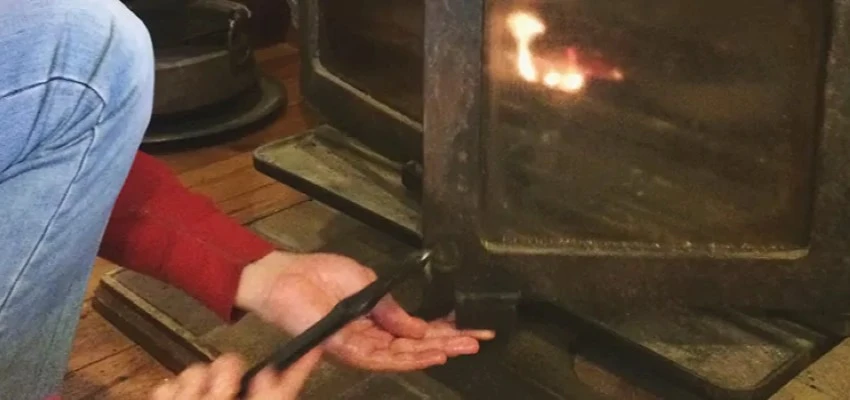
What's included in Chimney Sweep Services around Edmonton?
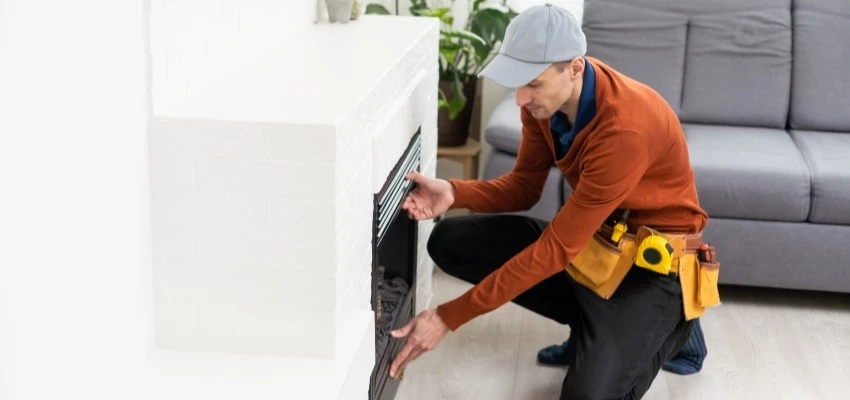
Before relighting in Edmonton, a visit from Fireplace Experts
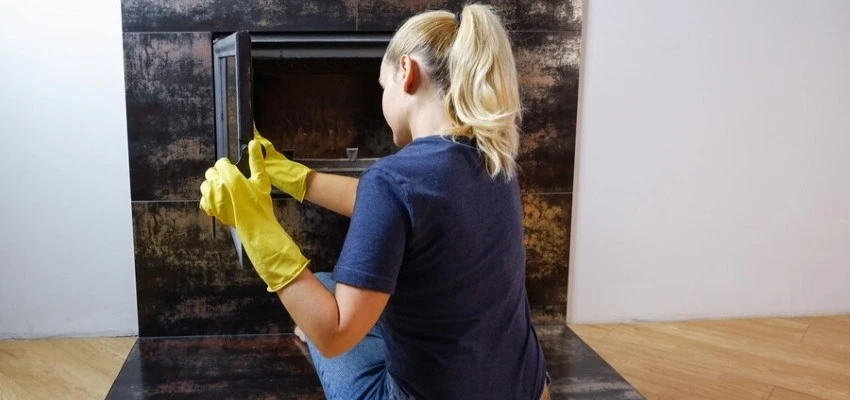
Gas Fireplace Cleaning, glass to burner ports
Burner ports, pilot hood, glass: Gas Fireplace Maintenance around Edmonton