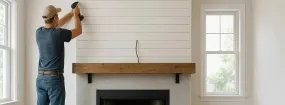
Not every fireplace needs a big project. Sometimes a few bricks and fresh mortar do the job; sometimes a dated surround is all that stands between you and a room you love. Searching for “fireplace refacing” is a sensible first step toward telling those situations apart. The answers below help homeowners around Edmonton understand surround and hearth refacing, set realistic expectations and decide what their fireplace actually needs.
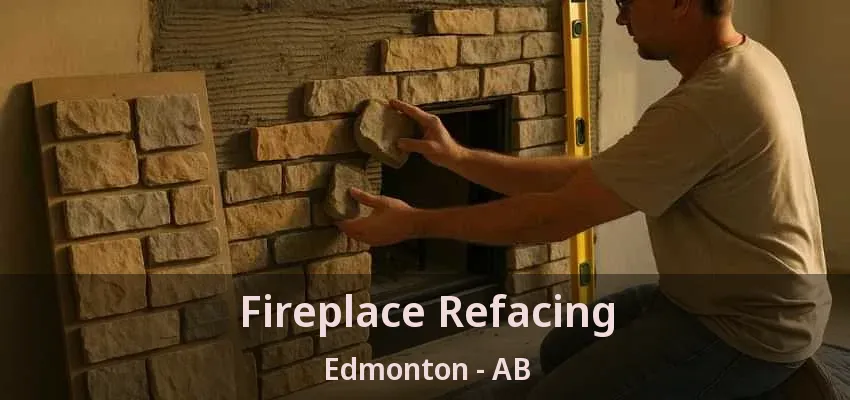
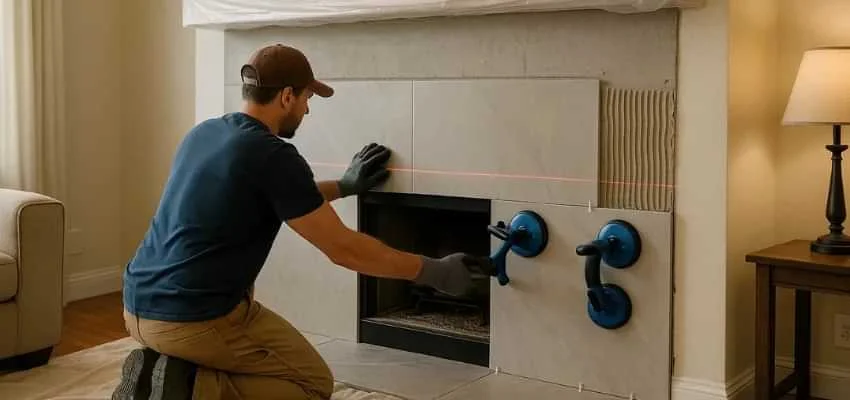
Most surround materials can work, and each one changes the job differently. Stone veneer, real or manufactured, gives depth but adds weight, so we check that the wall and hearth can carry it. Porcelain tile is thin, durable and easy to wipe down, and large-format pieces give a modern look with few grout lines. Thin brick suits traditional rooms without the bulk of full brick. Plaster and limewash refresh existing brick with very little demolition. Whatever you choose, the material closest to the firebox must handle heat, which is where specialty adhesives and mortars come in.
Fireplace refacing means covering or replacing the visible face around the opening, the surround and often the hearth, without changing the firebox or chimney behind it. It is a way to update a dated brick, tile or stone fireplace in a matter of days rather than rebuilding it. New materials can go over sound existing brick or replace it where needed. Homeowners searching for “fireplace refacing” usually want a modern or cleaner look, and refacing delivers that as long as the working parts behind the new face are healthy, which an inspection should confirm first.
The problems that concern us most are the ones that let heat or smoke go where they should not. Open cracks in the firebox, mortar joints washed out deep enough to catch a fingernail, a smoke chamber shedding chunks onto the smoke shelf and a damper plate rusted through all fall into that group. Cosmetic issues, like hairline crazing in a tile surround or a scuffed mantel, can be planned around your schedule. When homeowners send photos, we usually ask for three: the firebox walls, the view up past the damper and the outside of the chimney.
Often, yes. Sound, clean brick can usually take tile, thin stone or a plaster finish directly, once it is cleaned, any loose mortar is repaired and a bonding layer or backer is added where needed. Painted or glazed brick may need extra preparation so new adhesive grips. Heavy natural stone may need support at the base or ties into the wall. Tearing out the old surround is necessary when the brick is crumbling, badly out of plumb or hiding damage. A contractor should check the surface first and explain whether an overlay or removal makes more sense for your fireplace.
When we price fireplace work, we are estimating labor hours, materials and risk. Labor depends on how much needs to come apart, how tight the space is and whether the job calls for skilled masonry, carpentry or gas fitting. Materials range from inexpensive tile to heavy natural stone that needs extra support. Risk is the unknown: an old surround can hide damaged brick or framing that has to be fixed before anything new goes on. We explain up front how any extra work would be handled and priced, so a surprise behind the wall does not become a surprise on the invoice.
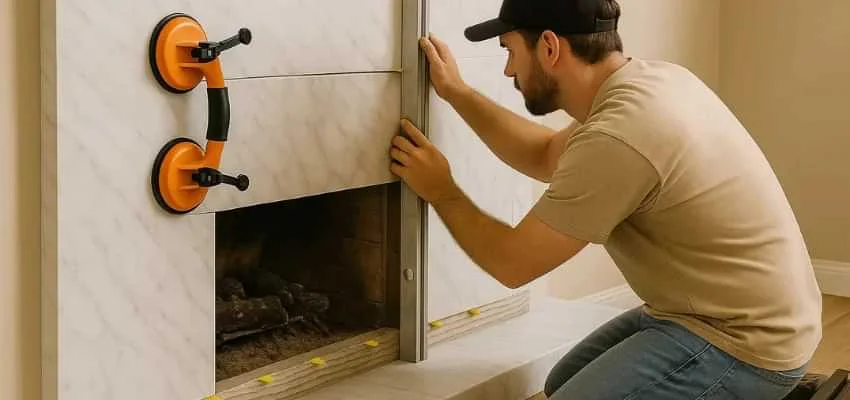
It should not change how the fireplace burns, because the firebox, damper and chimney stay as they were. What can change is fit: a thicker surround may affect how glass doors or an insert surround panel sit against the face, and a deeper hearth can alter clearances to the mantel. Good planning measures these before materials are ordered. Refacing is also a chance to fix problems you could not reach before. If your “fireplace refacing” project uncovers loose firebricks or a gap between the firebox and the surround, have those repaired so the new face is not hiding a problem.
Keep up the basics: have the chimney and fireplace inspected once a year and swept when needed, burn only dry, seasoned wood and keep the damper closed when the fireplace is not in use, unless it serves gas logs that need it open. Clean new stone or tile with products suited to the material, since harsh cleaners can stain or etch them. Avoid hanging heavy items from a new mantel unless it was built for that load. Check the firebox walls now and then for new cracks. A small problem caught early, like a single loose firebrick, is a quick fix rather than a project.
Local contractors know the housing stock, the common fireplace designs and the suppliers nearby, which makes planning and follow-up easier. Builders in the same neighborhoods often used similar fireboxes, dampers and surrounds, so a company that works the area has usually seen your setup before. Nearby crews can also return quickly when a project spans several visits for curing or materials. Before hiring, confirm the company works in your area directly, ask for local examples of similar work and check how it handles questions after the job is done.
Ask to see their work, inside the firebox as well as on the wall. A company that does fireplaces well can show you finished surrounds and mantels, but also the less glamorous jobs: rebuilt fireboxes, parged smoke chambers and replaced dampers. Those pictures tell you it understands the working parts, not just the decoration. Listen for questions about your chimney and how you use the fireplace. A contractor who mentions an inspection before quoting, explains curing time and says which parts of the job go to a gas technician or other specialist is usually a safe pick.
That is a common place to start. A short conversation usually sorts out what kind of visit makes sense, from a focused check to a full service. Reach Chimney Sweep Edmonton at (587) 206-3388 and we will give you a straight answer for your home in Edmonton.
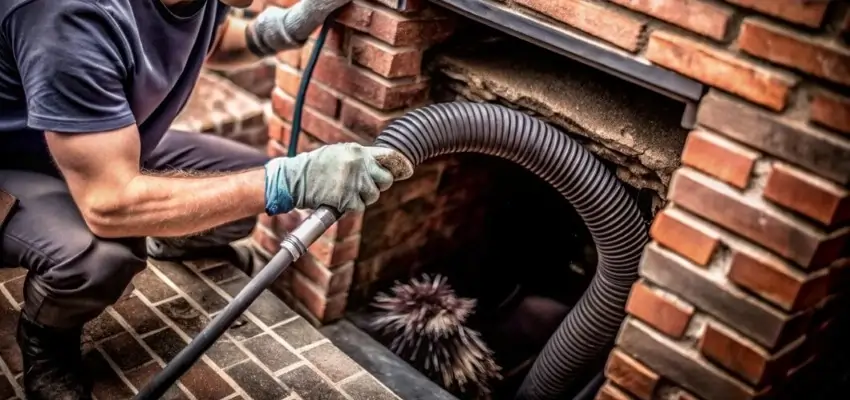
Less smoky smell, steadier flames: Chimney Cleaning around Edmonton
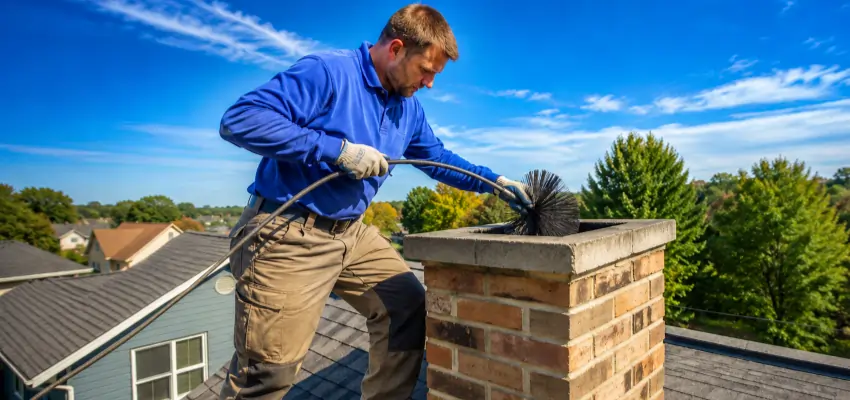
Creosote cleared, flue inspected: Chimney Sweep for Edmonton
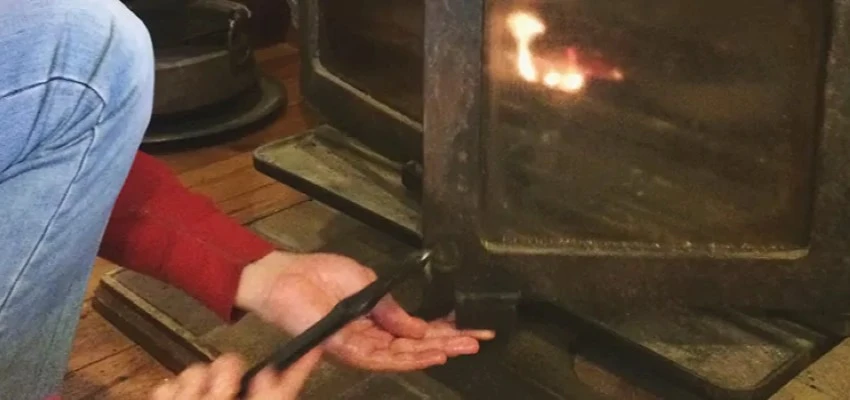
What's included in Chimney Sweep Services around Edmonton?
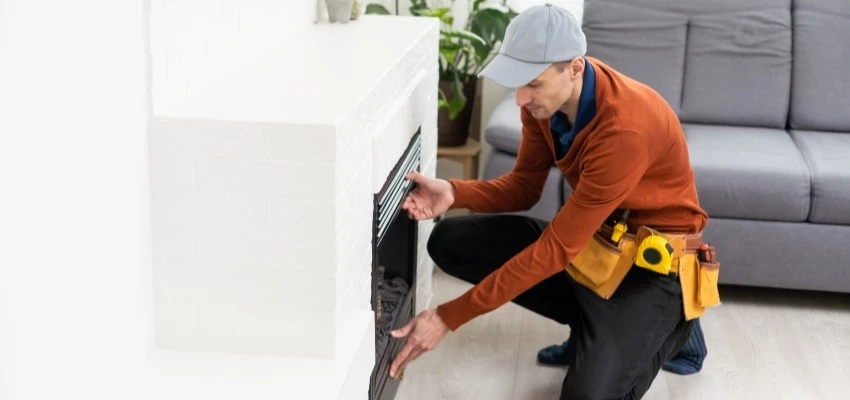
Before relighting in Edmonton, a visit from Fireplace Experts
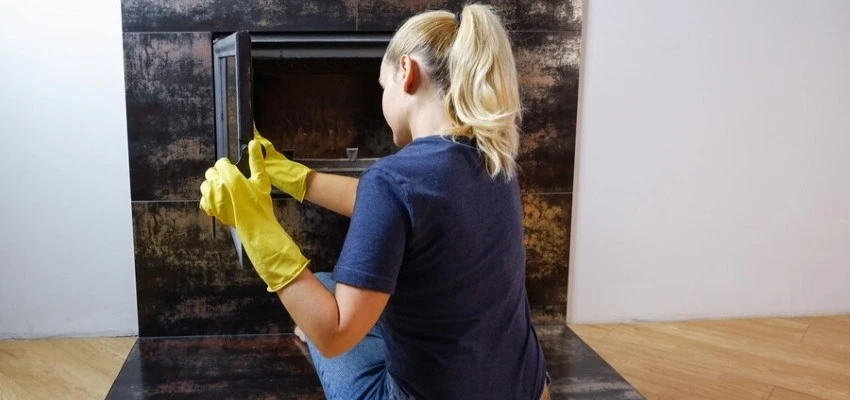
Gas Fireplace Cleaning, glass to burner ports
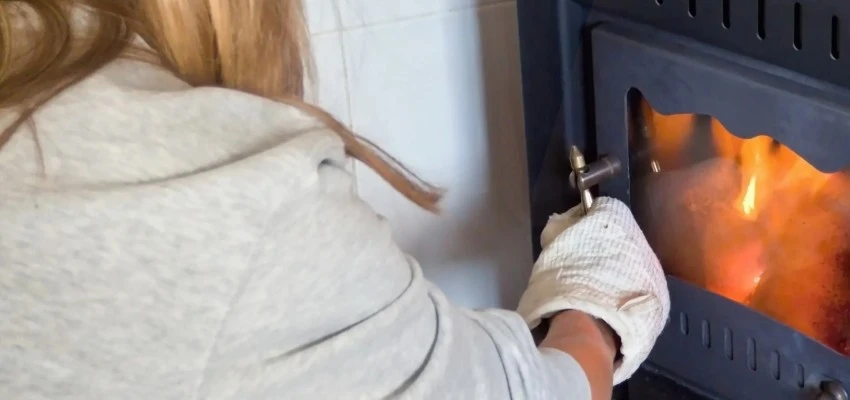
Burner ports, pilot hood, glass: Gas Fireplace Maintenance around Edmonton