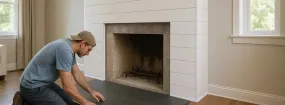
Some fireplace projects start with a wish for a fresh look; others start with a crumbling brick, a stuck damper or a smoky room. Either way, people around Edmonton who search for “fireplace makeover services” tend to ask the same practical questions. This page answers them plainly, from what the work involves and how long it takes to how to prepare and what to ask before hiring anyone, so you can plan fireplace renovation with fewer surprises.
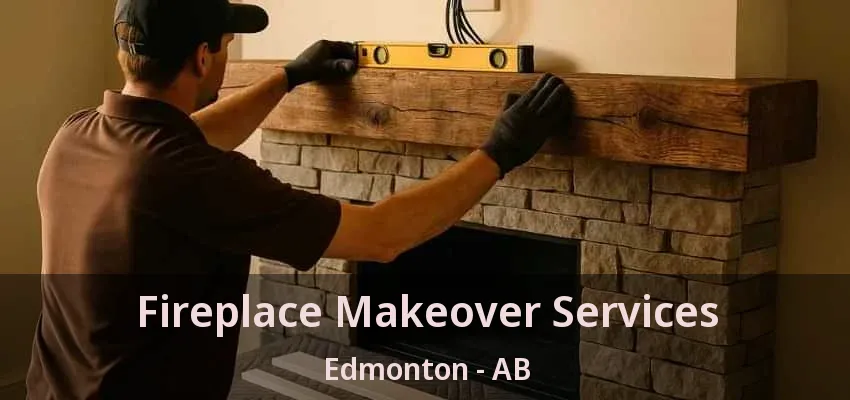
A makeover can be as small as fresh paint on the brick or as large as a new surround, hearth and mantel. Common pieces are refacing with stone, tile or plaster, a new or refinished mantel, a raised or extended hearth, new glass doors and a modern insert or gas conversion. Built-in shelving or lighting on either side often comes into the plan too. People searching for “fireplace makeover services” usually have a look in mind, and the job is turning it into a scope that suits the fireplace, the room and the budget. Any repairs found along the way should come first.
Remodeling changes how a fireplace looks or what it burns, while repair restores parts that have worn out or been damaged. Refacing, a new mantel or a wood-to-gas conversion are remodeling jobs. Fixing cracked firebricks, a stuck damper, a deteriorated smoke chamber or rusted metal parts is repair. Many projects include both: a makeover often uncovers damage that should be fixed while the area is open, and a repair can be a good moment to update the finish. Knowing which kind of work you need helps you find the right people and compare quotes fairly.
The required distance depends on the fireplace and on local rules, and it usually grows the farther a mantel or trim projects from the wall. Wood, drywall and other combustible materials can dry out and eventually char if they sit too close to the opening, even without visible flames. For factory-built fireplaces and inserts, the installation manual lists exact clearances; for masonry fireplaces, local building rules set them. Noncombustible materials such as stone, tile and brick can come closer. A contractor should measure and confirm clearances before ordering a mantel or finishing a surround.
Yes. A makeover covers the face of the fireplace, so anything wrong behind it, such as cracked firebricks, loose mortar, a damaged damper or a deteriorated smoke chamber, becomes harder and costlier to reach afterward. Fixing those problems first also protects the new finishes from heat and moisture coming through. That is why an inspection should open the project, whichever company your search for “fireplace makeover services” leads you to. If the inspection turns up repairs, ask for them to be priced separately from the cosmetic work, so you can see what is needed for safety and what is part of the new look.
An inspection comes first because it shows whether the fireplace is safe to use and sound enough for the planned work, so you do not spend money on a new face over a failing core. A technician typically checks the firebox walls and floor, the damper and throat, the smoke chamber, the flue and the clearances around the opening, often with a camera for the hidden parts. If problems turn up, they can be fixed before finishes go on, when access is easiest. It is a sensible routine on its own too: many homeowners have the fireplace and chimney inspected once a year.
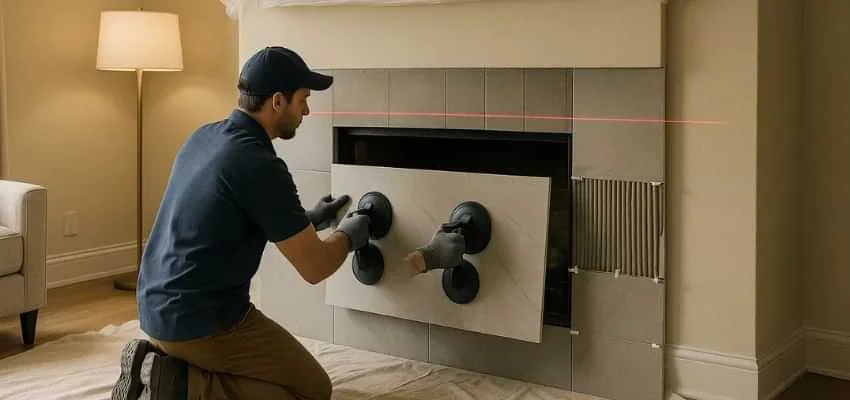
In many cases we go right over it, which saves demolition, dust and time. The deciding factors are condition and flatness. Brick with solid joints can be cleaned, patched and given a bonding coat or cement board where the new material needs it, then tiled or veneered. If the face is badly uneven, coated in slick paint or shedding mortar, we deal with that first. We also check how far a new layer will project, because thicker finishes change the depth of the hearth and the relationship to the mantel. Removal is reserved for brick that cannot support the new finish.
Sometimes, and it is a question worth settling at the planning stage rather than afterward. Heat rising from the opening is the main concern, especially above a wood fireplace with no mantel to deflect it. During planning, we look at the fireplace type, the mantel depth and what the manufacturer allows above the unit. We also plan the mounting: lag bolts into framing or anchors into solid brick, and a recessed box for cables so nothing runs across warm stone. The last question is comfort, since a screen mounted high can strain the neck. We help homeowners weigh both.
We give every customer a first-fire date, and it is set by the slowest-curing material in the job. Fresh mortar and refractory products hold water, and heating them too fast turns that water to steam inside the joint, which can crack it before it has hardened. So after firebox, throat or smoke chamber work, we recommend a few small fires before a full one. Tile and stone surrounds have their own adhesive cure times. Gas units are lit and tested on installation day, then left ready to use. Call us if anything looks or smells unusual during those first fires.
Knowing the area saves time on almost every fireplace job. In older and newer neighborhoods alike, we see the same brick styles, the same original dampers and the same surround materials again and again, so we can often predict what is behind a finish before it comes off. We also know which suppliers stock matching brick, stone and refractory materials and how long their orders take. Projects that need several visits, with curing time in between, run more smoothly when the crew is close by. And if a question comes up after the work, you can reach us directly.
Some questions are easier to answer in a quick call than in a form. Phone (587) 206-3388 and tell us about your fireplace. We will explain the options, give you a sense of timing and book a visit in Edmonton if you decide to go ahead.
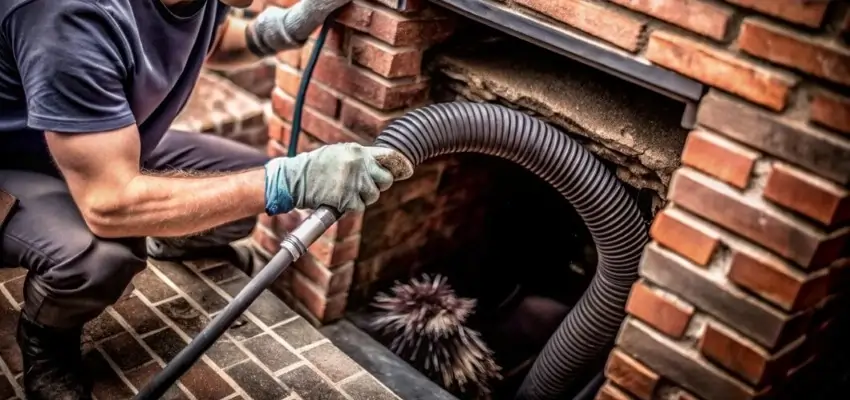
Less smoky smell, steadier flames: Chimney Cleaning around Edmonton

Creosote cleared, flue inspected: Chimney Sweep for Edmonton
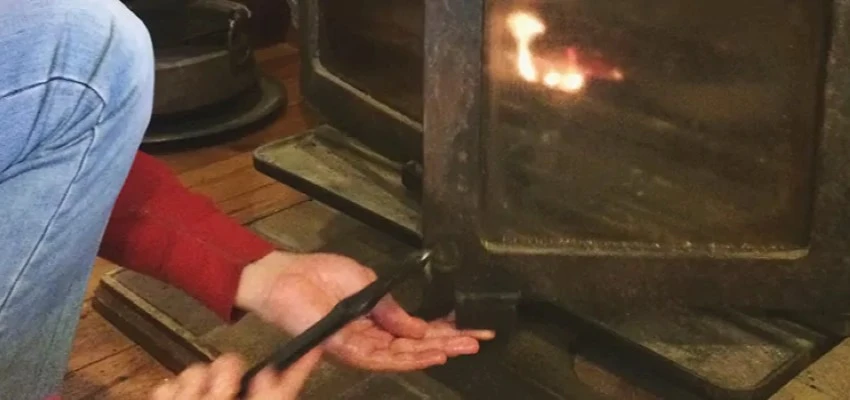
What's included in Chimney Sweep Services around Edmonton?
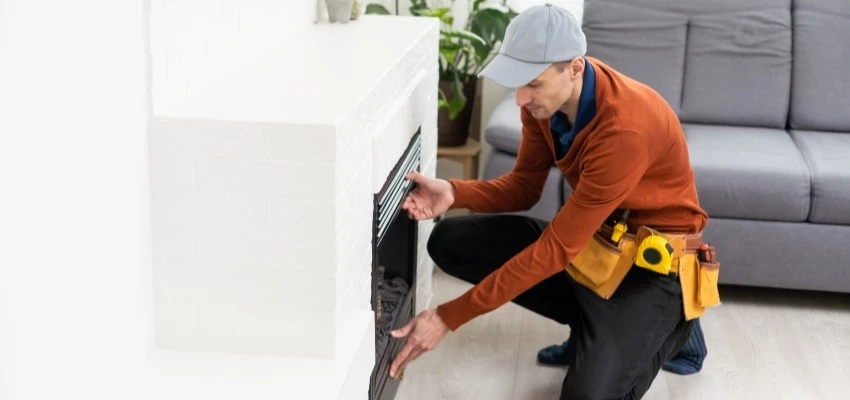
Before relighting in Edmonton, a visit from Fireplace Experts
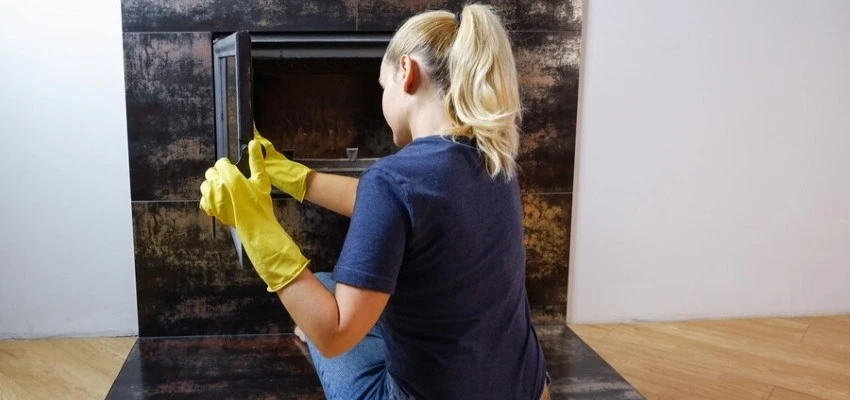
Gas Fireplace Cleaning, glass to burner ports
Burner ports, pilot hood, glass: Gas Fireplace Maintenance around Edmonton