Buying a house with a fireplace or wood stove, or finally deciding to use one that has sat cold for years, raises a lot of questions at once. Homeowners in Edmonton who type “fireplace maintenance” are often in exactly that spot. The answers that follow walk through fireplace maintenance step by step, so you know what to ask, what to expect from a visit and when it is safe to enjoy a fire again.
A fireplace or stove usually smells when it is not in use because creosote and soot in the flue give off odor, especially in humid weather. Moist summer air reacts with those deposits and makes the smell stronger, and rain coming down an uncapped chimney adds a damp, musty note. The house can make it worse: kitchen and bathroom fans or a running dryer can pull air down the chimney and into the room. A sweep removes most of the source, a cap keeps rain out and a tightly closing damper cuts the downdraft. A sharp, rotten smell is different and can mean an animal in the flue.
Smoke comes into the room when the chimney is not pulling air upward strongly enough, and the cause is usually one of a few things. The damper may be partly closed, the flue may be cold when the fire is lit, or a nest, debris or heavy creosote may be blocking the path. Strong kitchen or bathroom fans and very airtight homes can also pull air down the chimney. Open the damper fully and crack a nearby window when lighting the fire. If smoke keeps spilling, stop using the fireplace, have it checked and make sure your carbon monoxide alarms work.
During a fireplace sweep, the technician cleans the full smoke path from the firebox to the top of the chimney while keeping soot out of your room. A typical visit starts with drop cloths and a sealed opening, with a vacuum running to hold fine dust back. Brushes on flexible rods are then run through the flue, from below, from the roof or both. The smoke shelf and smoke chamber above the damper are cleared, the damper is cleaned and tested, and ash and debris are removed from the firebox. You should get a short summary of what was found.
In most cases it does, because the expensive fireplace problems usually grow out of small ones left alone. A cap that costs little to replace keeps water out of the damper, the smoke chamber and the mortar joints. A sweep that removes creosote reduces the chance of a chimney fire that can crack a flue. Loose firebrick reset early avoids a full firebox rebuild later. Routine fireplace maintenance will not stop every repair, but it spreads costs out, gives you warning and keeps the big projects rarer.
Quotes vary because no two chimneys take the same time, equipment or care. A single-story home with a short chimney and light buildup is quick work. A tall or steep roof needs more setup and safety gear. Heavy or glazed creosote takes extra passes and different tools. A camera scan adds time but leaves you with a record of the flue. Findings then become their own items: a missing cap, a damper that will not close or loose firebrick are priced separately. That is why we ask a few questions about your fireplace before giving any figure.
Leave it largely as it is, apart from unburned logs and decorative pieces. We actually prefer to see the firebox before anyone tidies it, because what lies on the floor tells a story: black flakes suggest creosote breaking loose above, mortar crumbs point to joint wear and gritty debris can mean a crown or cap problem. Shoveling out warm ash is the one thing to avoid, since embers can survive in an ash bed for days. If the pile is overflowing and stone cold, removing some of it is perfectly fine.
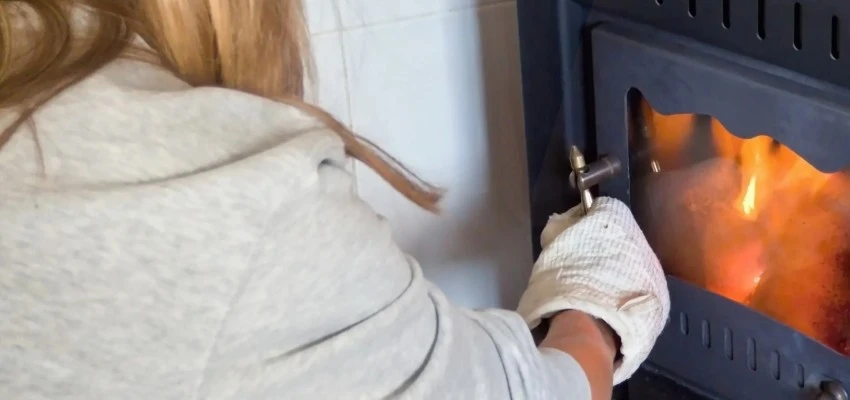
A simple yearly routine covers most of what a wood-burning fireplace needs. Before the burning season, have the chimney inspected and swept as needed, test smoke and carbon monoxide alarms and stock dry wood. During the season, remove cold ashes regularly, keep the hearth clear and watch for smoke, odors or flakes falling from above. After the last fire, clean out the firebox, close the damper and consider booking any repairs for the warmer months. Following this kind of fireplace maintenance calendar keeps small issues small and makes each professional visit quicker.
Check the parts that sat untouched all summer, the alarms and the wood supply; our own pre-season list is that short. Dampers can rust or stick, so work them open and closed. Caps and screens may have gathered leaves or a nest. Glass door latches and stove gaskets should still close snugly. A carbon monoxide alarm with a dead battery protects nobody, so test it. Then comes the fire itself: dry kindling, seasoned logs and a modest first burn while you watch how the smoke behaves. If it rolls into the room or smells odd, let it die down and call for a check.
Dry, seasoned wood that has been split and stored for six months to a year or longer burns cleanest, because it lights easily and produces less smoke and creosote. Wet wood wastes heat boiling off water, smolders and coats the flue faster. Well-seasoned pieces are lighter, show cracks across the ends and sound hollow when knocked together, and an inexpensive moisture meter takes out the guesswork. Splitting and stacking wood in spring, off the ground and covered on top, usually has it ready for the colder months. Never burn painted or pressure-treated lumber, trash or cardboard boxes.
A recent look at the parts of a home buyers ask about can make a sale go more smoothly. We can fit fireplace maintenance around showings, inspections or move-in dates. Tell us your timeline and we will plan around it.
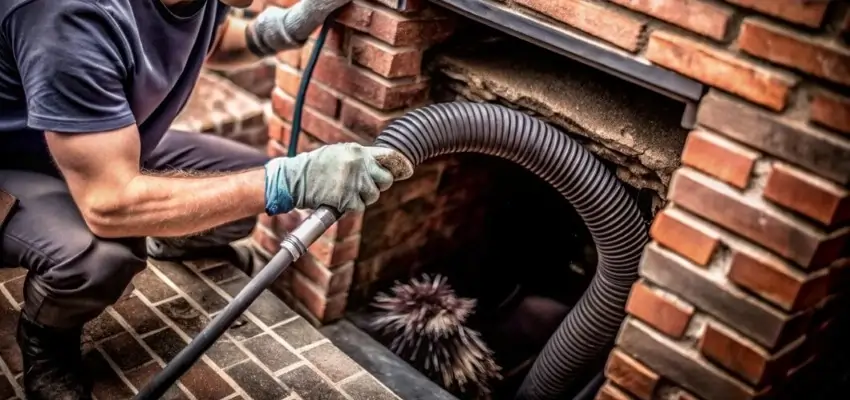
Less smoky smell, steadier flames: Chimney Cleaning around Edmonton

Creosote cleared, flue inspected: Chimney Sweep for Edmonton
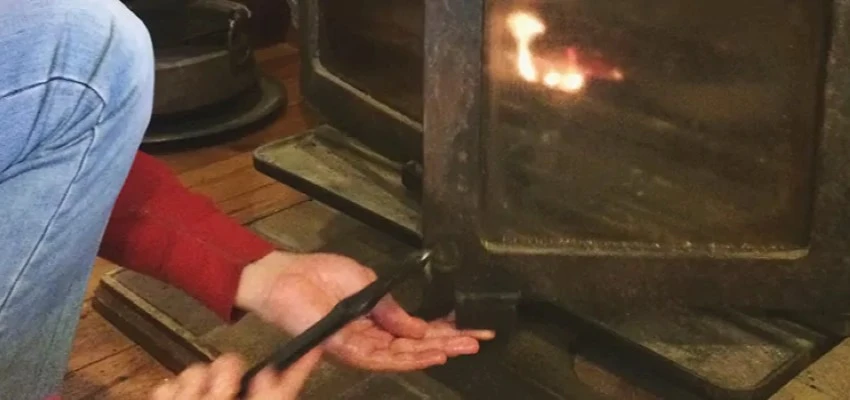
What's included in Chimney Sweep Services around Edmonton?
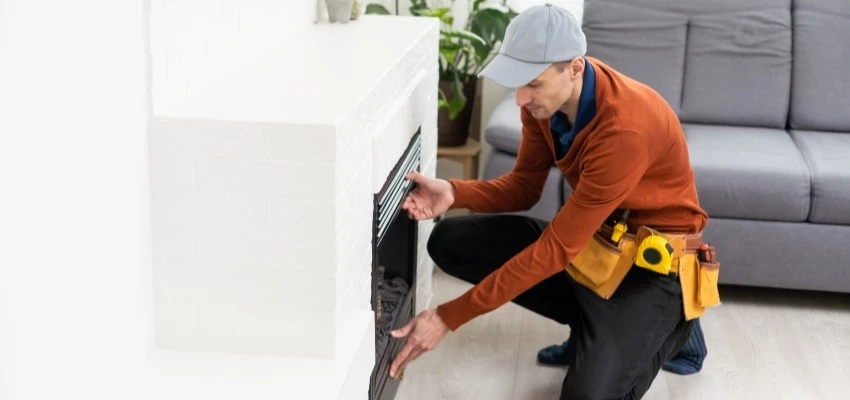
Before relighting in Edmonton, a visit from Fireplace Experts
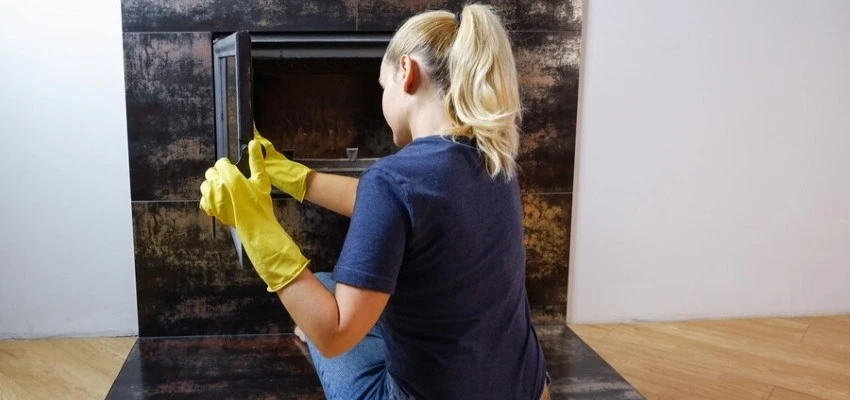
Gas Fireplace Cleaning, glass to burner ports
Burner ports, pilot hood, glass: Gas Fireplace Maintenance around Edmonton