Wood heat is simple in principle: the fire burns in the box and the smoke rises up the chimney. Keeping it that simple takes a clean flue, sound masonry and parts that seal the way they should. If “fireplace inspection” was your search, here is what households around Edmonton usually want to know about fireplace inspection, explained in a straightforward way, so you can decide what your own fireplace needs.
Creosote is the dark residue that forms when wood smoke cools and condenses inside a chimney or stovepipe, and it matters because it burns. It starts as dry, flaky soot, can thicken into a crunchy or sticky tar and at its worst becomes a hard, shiny glaze. A thick layer can ignite and cause a chimney fire. Creosote builds faster when wood is damp, when fires smolder with too little air and when the flue stays cold, as it often does in a chimney on an outside wall. Burning dry wood with a lively flame and having the flue swept when buildup appears keeps it under control.
They are two different jobs, and we usually do them in the same visit. Sweeping is physical work: brushes and a vacuum clear the flue and everything between it and the fire until the surfaces are clean. Inspecting is looking and judging: we check for cracked flue tiles or firebrick, open mortar joints, a damper that no longer seals, a missing cap and combustible trim sitting too close to the heat. Doing both at once makes sense, because a freshly brushed flue reveals defects that a coated one conceals. The inspection notes are what tell you whether the fireplace is ready for the season.
We suggest a yearly inspection plus a few event-based ones. The yearly visit catches slow changes: mortar wear, creosote creeping up, a cap that worked loose over the winter. The event-based ones matter more than people expect. A home purchase tops the list, since sellers rarely know the condition of their flue. Chimney fires, lightning, storm damage and renovations near the fireplace come next, because each can crack liners or shift masonry without obvious signs in the room. Before buying, an inspection gives you facts to negotiate with instead of guesses.
Not until someone has looked inside, because an idle chimney fills up with things nobody can see from the room. On a first visit to a long-unused fireplace or stove, we routinely pull out nests, twigs, leaves and fallen mortar. We also check for animals that may still be living in the flue, a damper rusted shut and flue tiles that cracked while nobody was watching. Then we sweep, run a camera up the flue when needed and walk the homeowner through what we saw. Many of these systems go back into service after a cleaning and a few repairs.
A visual check suits a fireplace that has been used and maintained regularly with no changes or warning signs. A camera scan is worth it when part of the flue cannot be seen, when there has been a chimney fire, a storm or a renovation, when a home is being bought or sold, or when smoke and odors have no obvious cause. The camera travels up the flue and shows cracks, gaps and deposits that a flashlight cannot reach. Ask the company which level of inspection they recommend for your situation and why.
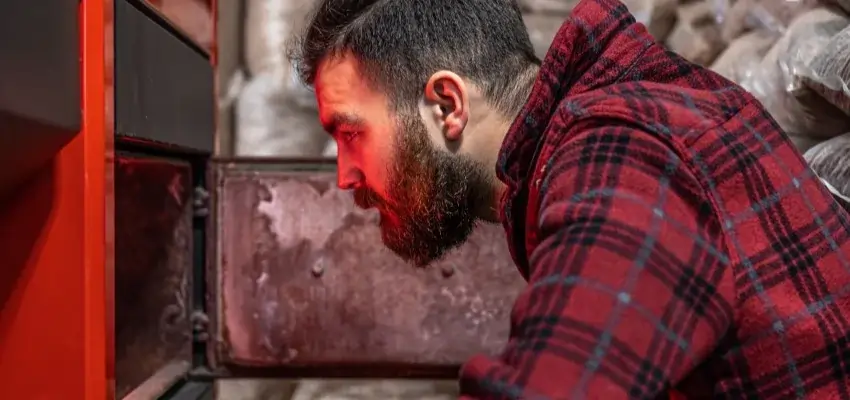
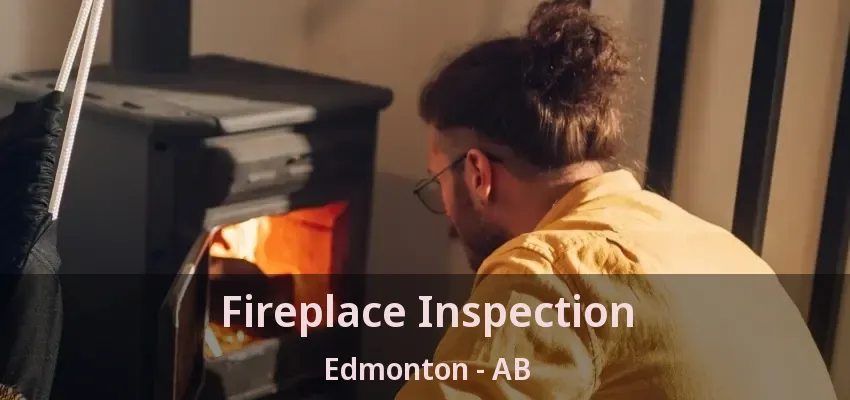
A fireplace inspection checks every accessible part of the system for damage, blockages and unsafe setup. That usually covers the firebox, firebrick and mortar, the damper, the smoke chamber, the visible flue liner, the hearth and the area around the opening, plus the chimney exterior, crown and cap. The technician also looks at how close mantels and wood trim sit to the opening and whether the hearth in front extends far enough. A camera often helps with hidden parts of the flue. You should receive clear findings, ideally with photos, that separate urgent issues from items to watch.
A standard fireplace inspection usually takes under an hour for a single fireplace, sometimes less when the system is clean and easy to reach. More time is needed when the technician runs a camera through the full flue, checks the attic or roof, or has several flues to look at. A detailed inspection for a home sale or after a chimney fire can take noticeably longer, since every accessible section is documented. Allow some extra minutes at the end to go through the findings and photos, which is the part of the visit most worth your attention.
The schedule depends on how much you burn and how cleanly, more than on the calendar. For a household with occasional fires, a yearly visit usually finds a light layer ready to come out. Someone heating with a stove every day may need cleaning before the season ends, especially if the wood is not fully seasoned. Signs between visits help too: black flakes on the hearth, slower starts and darker glass all suggest buildup is growing. Jot down the date of each sweep along with how heavy the deposits were, and after a season or two the right interval becomes clear.
If a fireplace does not pass an inspection, the technician has found something to fix before the next fire, and the report should say exactly what. Findings usually fall into three groups: issues that make the fireplace unsafe to use now, repairs to plan soon and items to watch. Stop using the fireplace for anything in the first group, such as cracked flue tiles, gaps in the firebox or a blocked chimney. Ask for photos, a written description and a repair quote for each item, and get a second opinion on major work if you want one.
Moving brings a long list of unknowns, and the condition of your fireplace is one of them. A visit from Chimney Sweep Edmonton replaces guesswork with a clear picture. Schedule fireplace inspection as part of settling in.
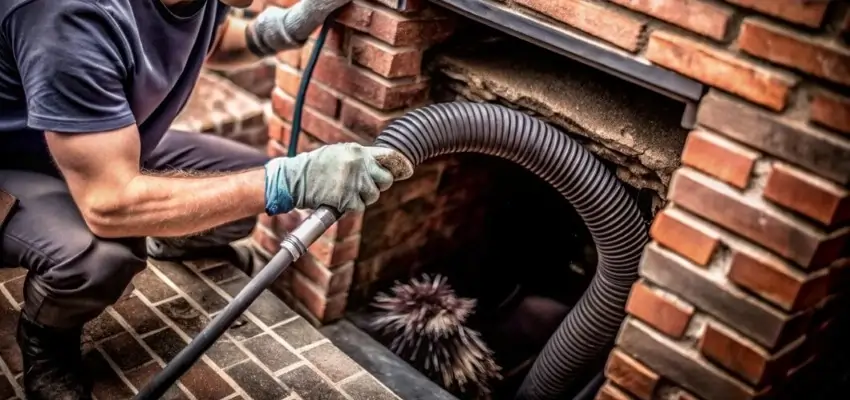
Less smoky smell, steadier flames: Chimney Cleaning around Edmonton
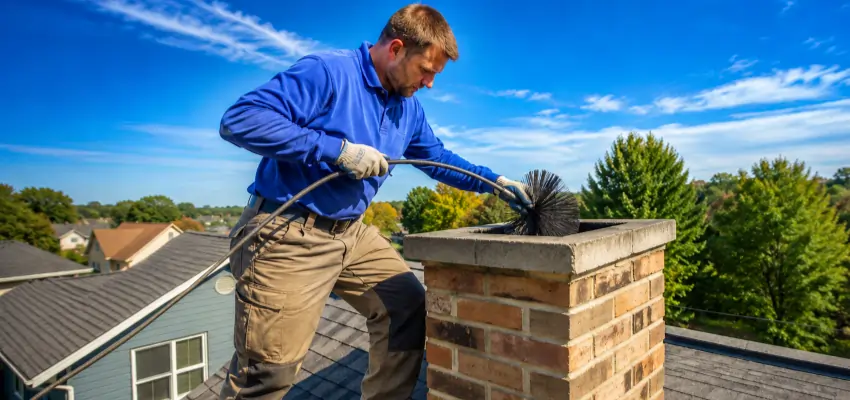
Creosote cleared, flue inspected: Chimney Sweep for Edmonton
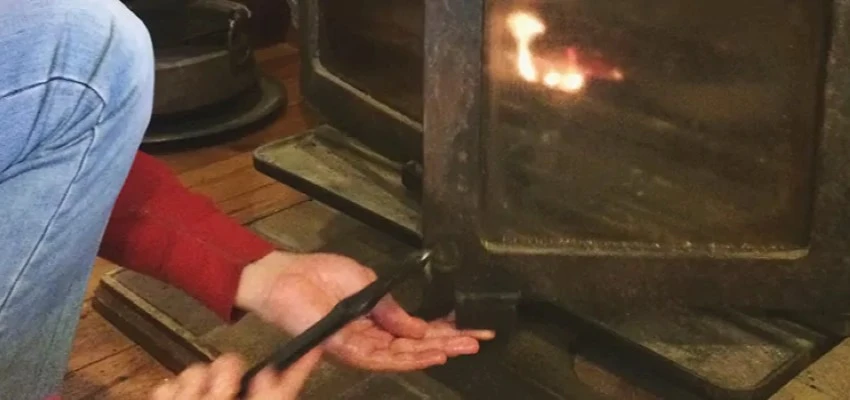
What's included in Chimney Sweep Services around Edmonton?
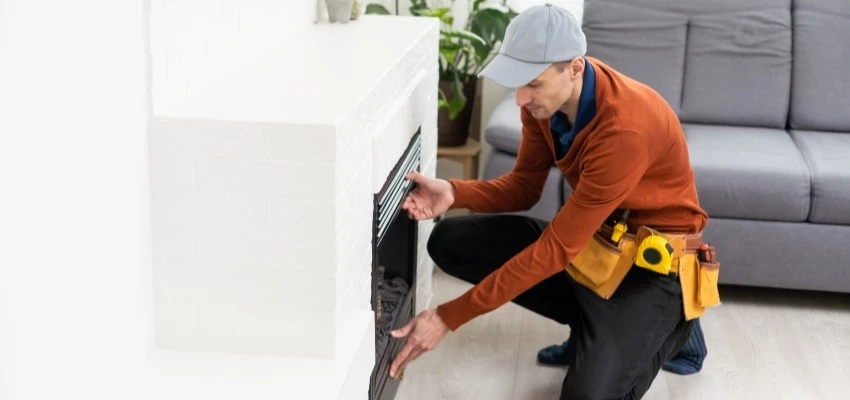
Before relighting in Edmonton, a visit from Fireplace Experts
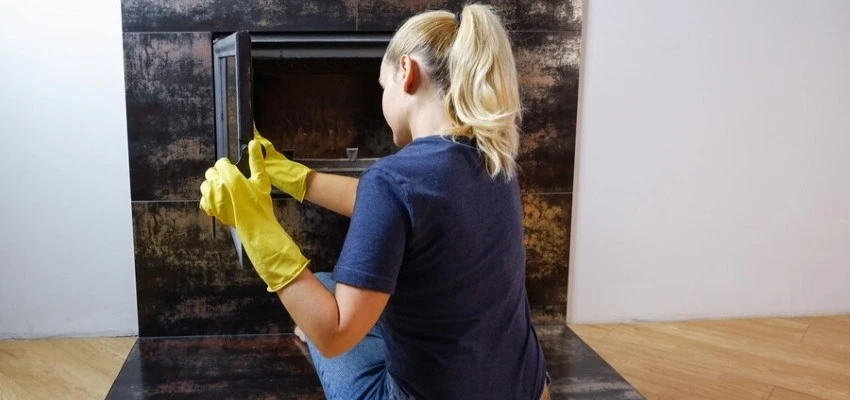
Gas Fireplace Cleaning, glass to burner ports
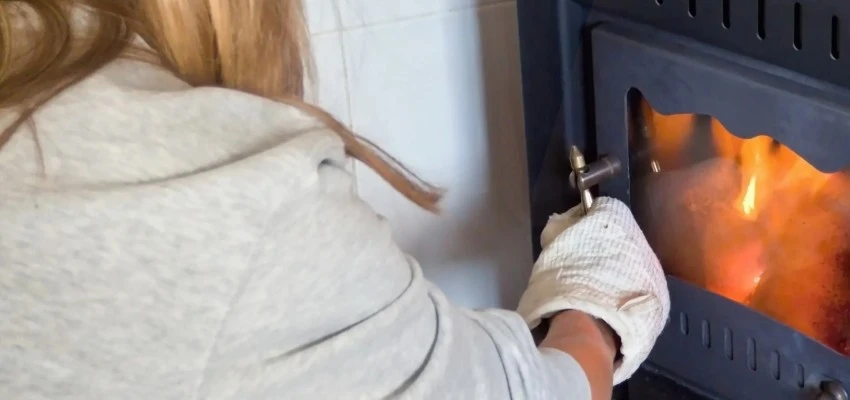
Burner ports, pilot hood, glass: Gas Fireplace Maintenance around Edmonton