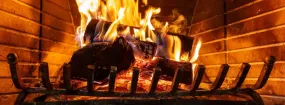
Fireplace work sits where looks and safety meet. A new surround has to cope with heat, a repaired firebox has to contain fire and every change has to leave the smoke a clear path out. If “fireplace damper services” brought you here, the following answers give homeowners in Edmonton a grounded view of fireplace damper repair: what is involved, what can go wrong when corners are cut and how to prepare for a smooth job.

A damper is a movable plate that opens the chimney while a fire burns and closes it when the fireplace is not in use. Open, it lets smoke and gases escape; closed, it stops warm room air from flowing up the chimney and keeps cold drafts, rain and odors out. Most older fireplaces have a throat damper just above the firebox, while some homes have a top-sealing damper at the chimney top instead. If you started looking into “fireplace damper services” because of drafts or a stuck handle, knowing which type you have is the first step toward the right repair.
Usually, yes, as long as the structure behind the visible parts is sound. A fireplace that drafts well and has a solid firebox can often be refreshed or repaired with far less disruption than a full replacement, and the room gains a working focal point again. The value depends on the condition of the masonry, the damper and the chimney, how often you plan to use it and whether the work fixes a safety issue or is mainly cosmetic. Start with an inspection, then choose between cosmetic, repair and conversion work with a clear picture of what each involves.
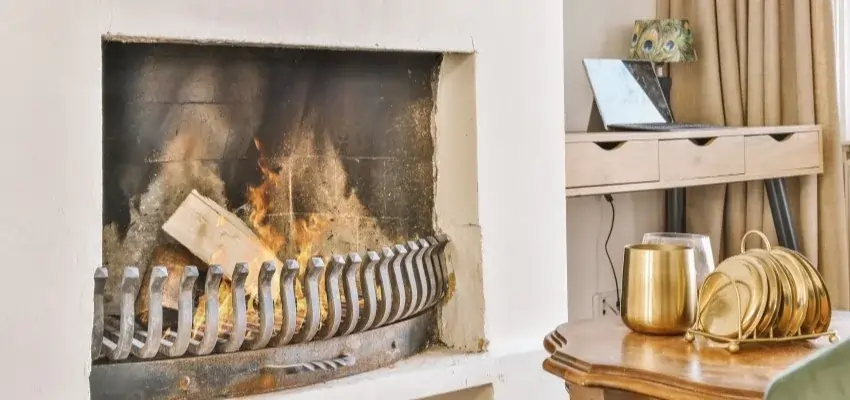
The giveaways are in how it moves and how the room feels. When we test a throat damper, we work the handle through its full range, watch whether the plate seats on its frame and look for daylight or soot streaks around the edges. Rust scale on the smoke shelf, a pivot that has seized and a plate bowed by heat are common finds. On windy days a loose damper can bang, and a gap you cannot close turns the chimney into a cold draft. Any damper that will not fully open needs fixing before the next fire is lit.
We protect the room with floor coverings, sealed openings and a contained work area, and the setup takes time on purpose because masonry dust travels. The floor is covered from the door to the hearth, plastic is taped around the fireplace opening and, for messy demolition, we build a small enclosure so dust stays in one spot. Cutting is done with dust collection where the tools allow, and mixing happens outside or on protected ground. At the end of each day we vacuum and tidy. Some fine dust can still escape on a demolition day, but it should be minor.
Small repairs, such as replacing a few firebricks or fixing a damper, often take a single visit, while refacing, mantel work or a conversion can take several working days spread over a week or two. Masonry and mortar need time to cure before the fireplace is used, and some finishes must set before the next layer goes on. Ordering stone, tile, a mantel or a gas insert can add weeks before work starts. Ask for a schedule that shows working days, waiting time for curing or materials and the earliest date you can light a fire again.
It depends on where you live and what the work involves. Purely cosmetic changes, such as painting brick or swapping a mantel shelf, often need no permit, while gas line work, installing a new insert or fireplace, changes to the chimney or structural masonry frequently do. Rules differ from one municipality to the next, so check with your local building department or ask the contractor to confirm. A professional company should know the local requirements and tell you whether it will arrange the permit and inspection or whether that falls to you. Get that answer in writing before work begins.
Keep up the basics: have the chimney and fireplace inspected once a year and swept when needed, burn only dry, seasoned wood and keep the damper closed when the fireplace is not in use, unless it serves gas logs that need it open. Clean new stone or tile with products suited to the material, since harsh cleaners can stain or etch them. Avoid hanging heavy items from a new mantel unless it was built for that load. Check the firebox walls now and then for new cracks. A small problem caught early, like a single loose firebrick, is a quick fix rather than a project.
The surest way is to look up past the firebox opening with a flashlight. An open throat damper shows a dark gap and a view into the smoke chamber; a closed one shows a flat metal plate. The handle is a clue too, but the direction varies from one fireplace to the next, so confirm by looking rather than guessing. With a top-sealing damper at the chimney top, a cable runs down to a bracket on the firebox wall; on many designs the damper stays closed while the cable is hooked and springs open when it is released. Always check before lighting a fire. If the plate will not move or the handle turns without effect, mention it when you book “fireplace damper services”.
When homeowners show us competing quotes, the gap usually comes from scope. One quote may cover a new surround but say nothing about the cracked firebricks behind it; another includes the repair and the curing time. We suggest laying them side by side and asking three questions of each: what exactly is being fixed, what exactly is being installed and what happens if something unexpected turns up when the old finish comes off. Clear, specific answers point to a contractor who has thought the job through. Vague ones usually mean extras later.
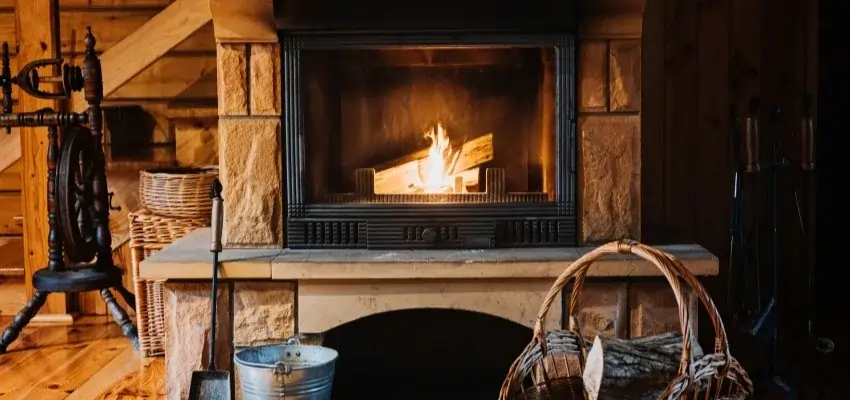
We agree on the scope and the price before any work begins, and we check in with you if we find something that changes the plan. Request your quote for fireplace damper repair and see exactly what is included for your home.
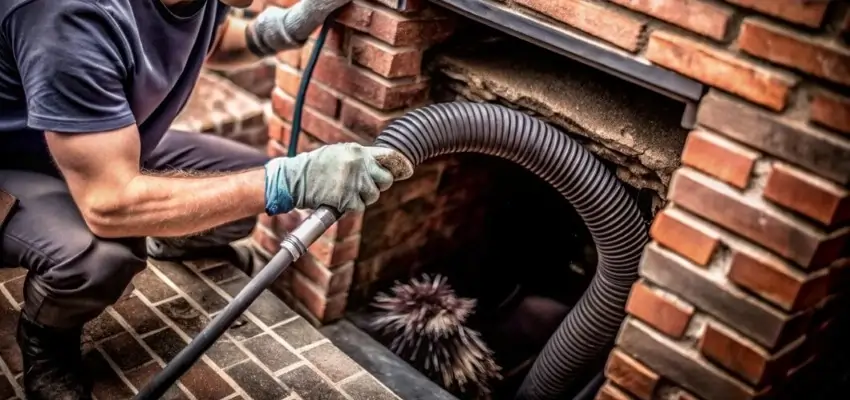
Less smoky smell, steadier flames: Chimney Cleaning around Edmonton

Creosote cleared, flue inspected: Chimney Sweep for Edmonton
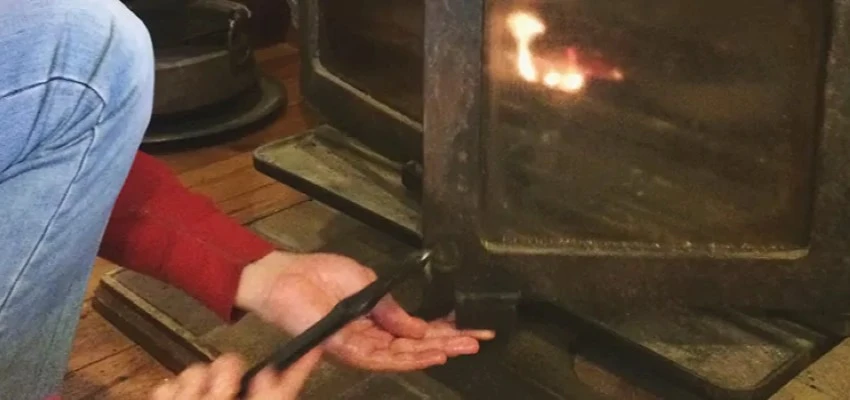
What's included in Chimney Sweep Services around Edmonton?
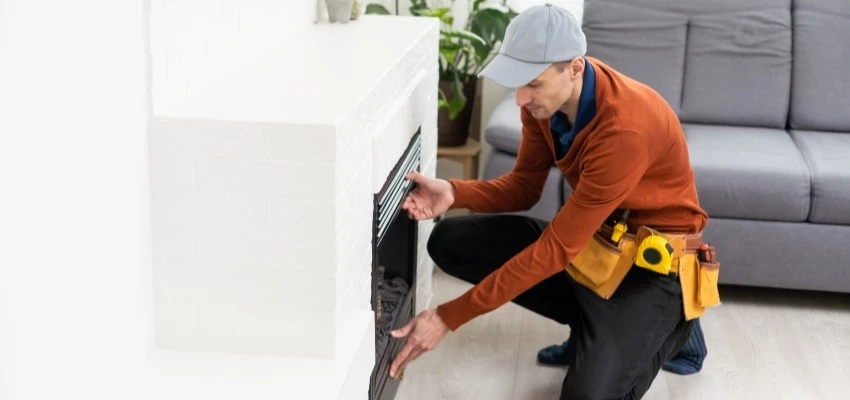
Before relighting in Edmonton, a visit from Fireplace Experts
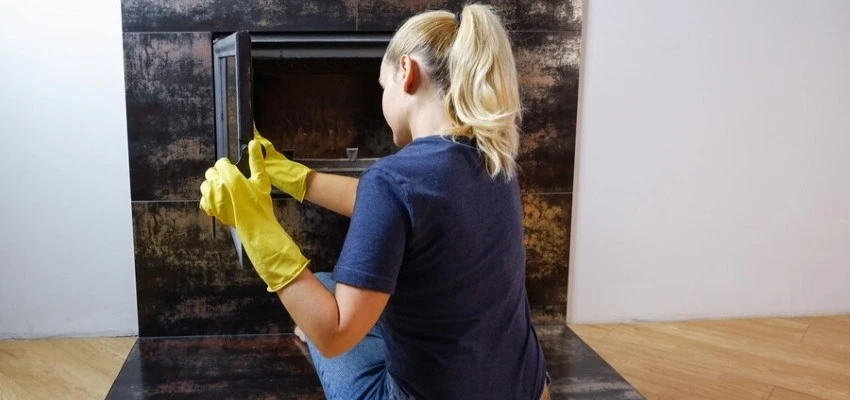
Gas Fireplace Cleaning, glass to burner ports
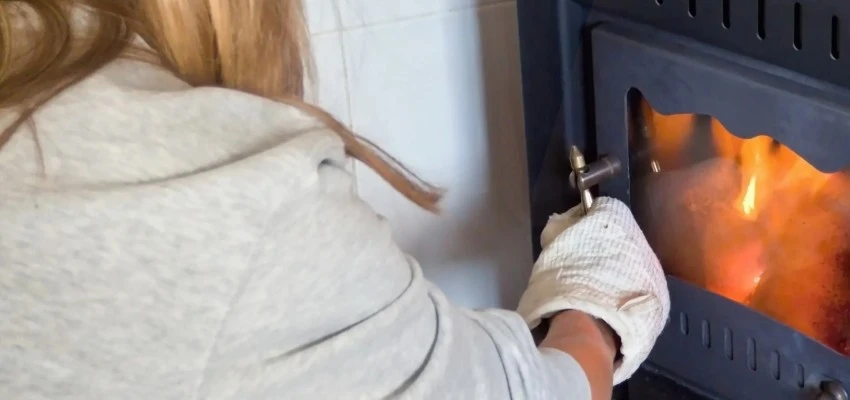
Burner ports, pilot hood, glass: Gas Fireplace Maintenance around Edmonton