Before anyone picks up a hammer or a trowel, a fireplace project needs a plan, and that plan starts with understanding the fireplace you already have. People in Edmonton who look up “fireplace conversion services” will find that groundwork laid out below: clear answers about fireplace conversion, the checks that should come first and the questions worth putting to any contractor you are considering. Read what applies to your home and skip the rest.
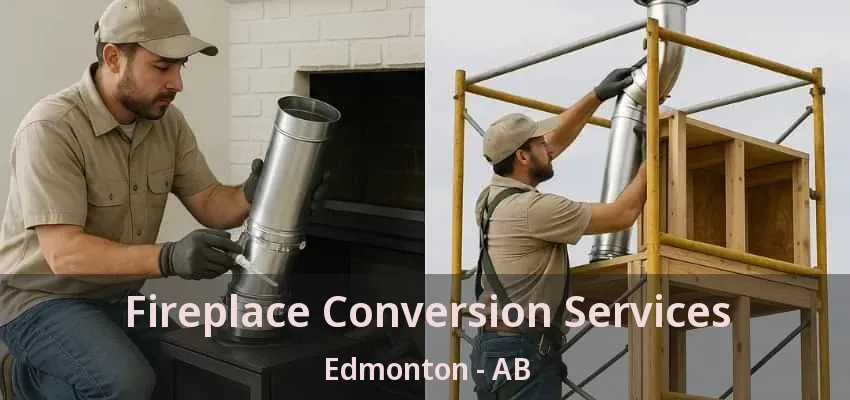
The main options are a gas insert, a gas log set or replacing the fireplace with a built-in gas unit. An insert is a sealed box that fits the existing opening and vents through a liner in the chimney; it gives the most heat and control. Gas logs sit in the firebox and give the look of a fire with modest heat, and vented sets need the damper kept open. A full replacement suits a fireplace that is damaged or badly placed. Electric inserts are another choice where gas is not available. The right option depends on how you want to use the fireplace.
The problems that concern us most are the ones that let heat or smoke go where they should not. Open cracks in the firebox, mortar joints washed out deep enough to catch a fingernail, a smoke chamber shedding chunks onto the smoke shelf and a damper plate rusted through all fall into that group. Cosmetic issues, like hairline crazing in a tile surround or a scuffed mantel, can be planned around your schedule. When homeowners send photos, we usually ask for three: the firebox walls, the view up past the damper and the outside of the chimney.
For some homes it is. An electric insert slides into the existing opening, plugs into an outlet and produces a flame effect with modest heat, so it needs no gas line or venting. It suits homeowners who mainly want the look of a fire, live where gas is not available or want to avoid combustion indoors altogether. The trade-offs are less heat than a gas insert and a flame that is a visual effect rather than real fire. The chimney should still be capped or sealed against drafts. If you are weighing options for fireplace conversion, ask to see both types running before you decide.
A careful crew protects the room with drop cloths, plastic sheeting and tape before any cutting, chipping or grinding starts. Masonry and tile work create fine dust, so the fireplace opening is often sealed and a vacuum with fine filtration runs during the dustiest steps. The flooring in front of the hearth and the path to the door should be covered too. Expect some noise and a little dust despite the precautions, especially if old mortar or a surround is being removed. Ask how cleanup is handled at the end of each day and once the job is done.
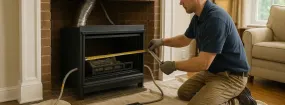
A conversion usually starts with an inspection and a thorough sweep, because the chimney will now carry gas exhaust and must be clean and sound. The firebox and damper area are checked, and any needed repairs are made. A qualified gas technician then runs the gas line to the fireplace and makes the connection. For an insert, a liner is installed from the insert up through the chimney and the unit is set in place with its surround. Gas logs are arranged to the manufacturer’s diagram. Finally, everything is leak-tested, lit and adjusted, and you are shown how to operate it.
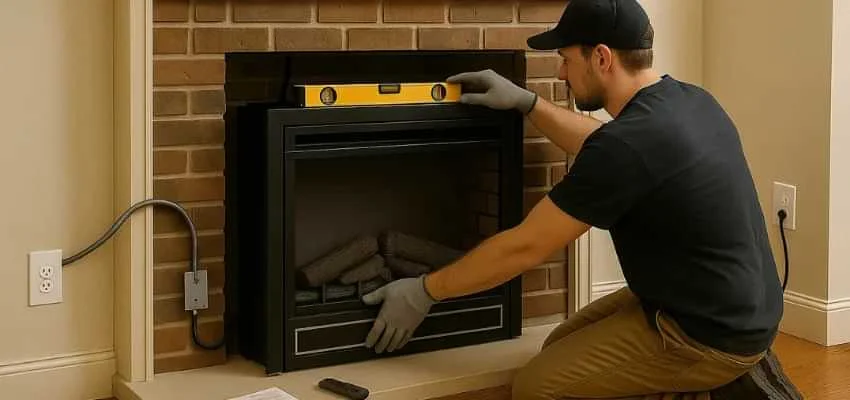
The working time is usually shorter than the calendar time. A damper or firebrick repair may take a few hours, and a surround can be refaced in a few working days, but mortar and adhesives need curing time and gas work needs scheduling and testing. Materials are the other variable: custom stone, a made-to-order mantel or an insert can take weeks to arrive. We give homeowners two dates when we plan: when work starts and when the fireplace can be used again. For most families the second date matters most, especially heading into the colder months.
Yes, a gas conversion needs a gas supply at the fireplace, and running it is work for a qualified gas technician. If the house already has natural gas, the technician checks whether the existing supply can handle the extra appliance and plans a route for the new line. Homes without natural gas may be able to use propane with a tank and an appliance set up for it. Ask about it early when you request quotes after searching for “fireplace conversion services”, since the gas line can be a significant part of the job and sometimes needs a permit.
Sometimes, and the deciding factors are gas, structure and venting. Cosmetic work on the outside of the fireplace rarely triggers a permit. Connecting a gas line, installing an insert with a new liner or rebuilding part of the firebox or chimney often does, depending on the rules where the house sits. Whoever does the work should know which applies and say so clearly in the quote. If a permit is needed, ask who will apply, who will be present for any inspection and whether the price includes it. Skipping this step can cause trouble later, for example when you sell the house.
Ask the contractor for a specific date, because it depends on the materials used. Mortar, refractory cement and some adhesives need time to cure before they face heat, and lighting a fire too soon can crack fresh joints or loosen new finishes. After masonry work, the first fires are usually kept small to drive out remaining moisture gradually. Gas conversions are tested by the installer before handover. Keep the first few fires modest, watch for smoke in the room and make sure your smoke and carbon monoxide alarms work.
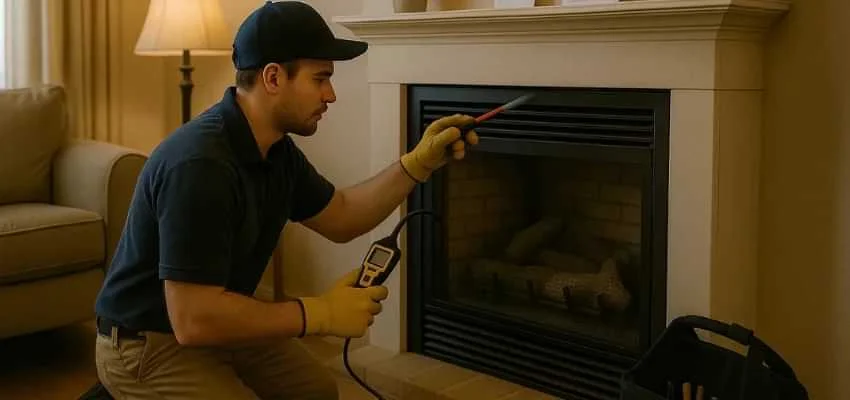
From townhouses to detached homes, we see a wide range of setups around Edmonton and plan each visit around the home in front of us. If it is time to have your fireplace looked at, get in touch with Chimney Sweep Edmonton and we will arrange a time that suits you.
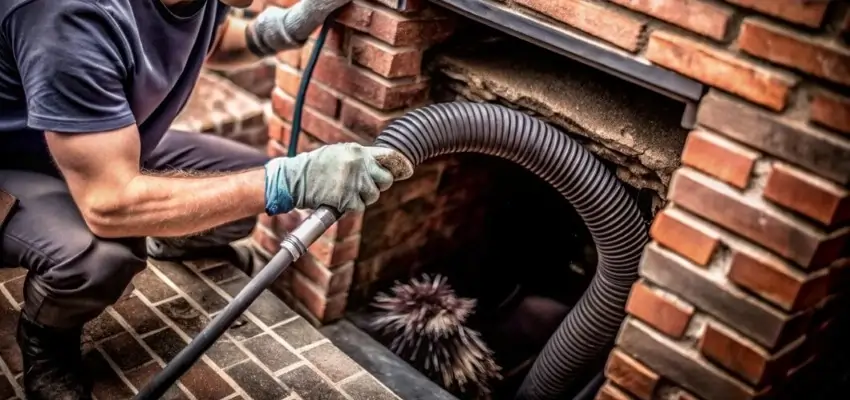
Less smoky smell, steadier flames: Chimney Cleaning around Edmonton
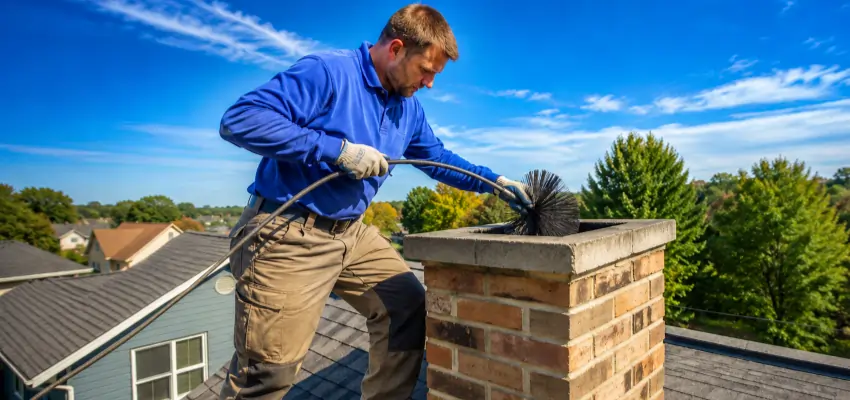
Creosote cleared, flue inspected: Chimney Sweep for Edmonton
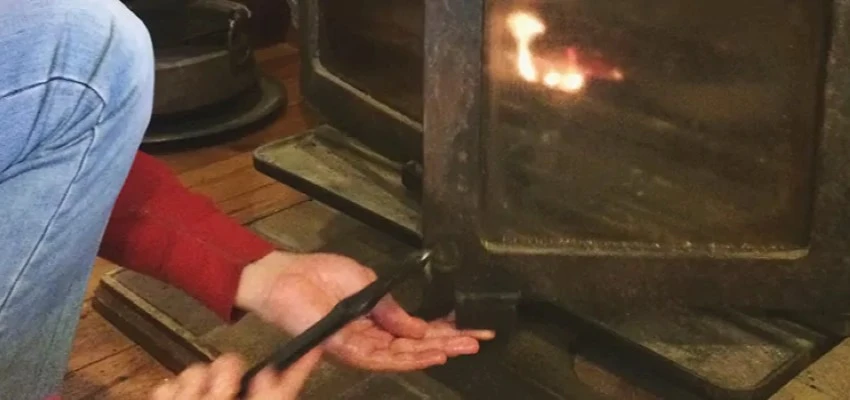
What's included in Chimney Sweep Services around Edmonton?
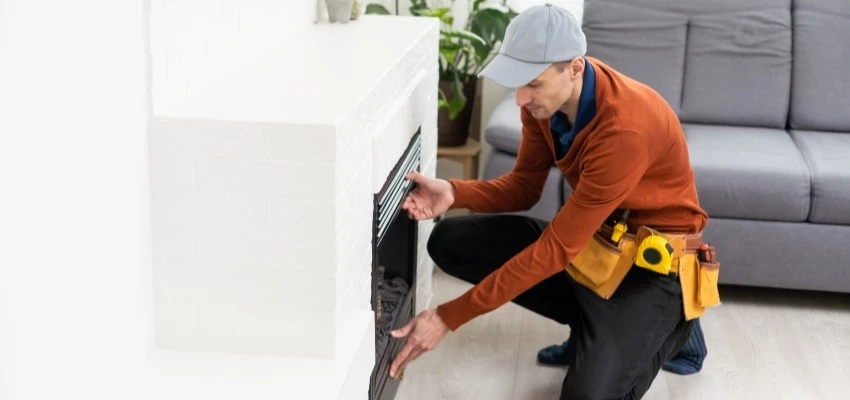
Before relighting in Edmonton, a visit from Fireplace Experts
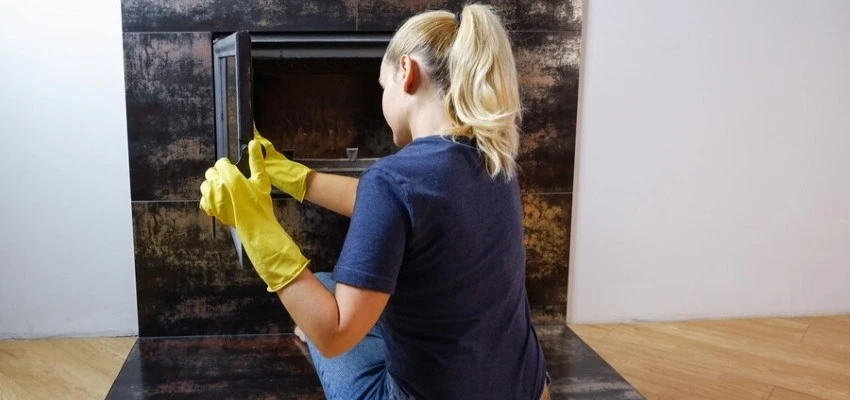
Gas Fireplace Cleaning, glass to burner ports
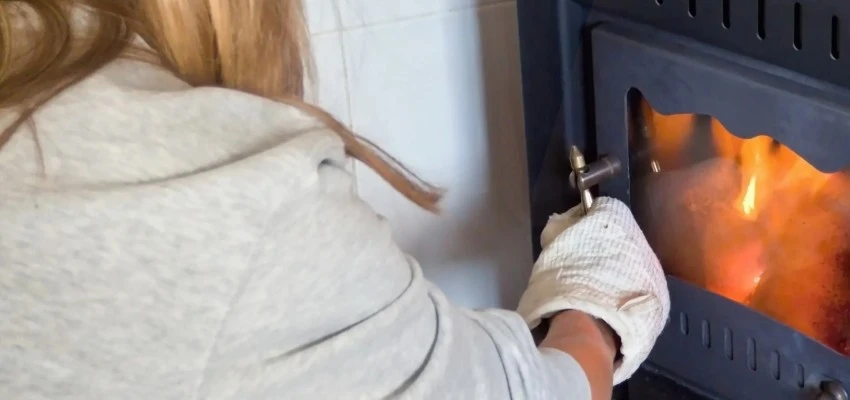
Burner ports, pilot hood, glass: Gas Fireplace Maintenance around Edmonton