A wood fire is one of the simple pleasures of the colder months, and keeping it that way takes a little care behind the scenes. If you searched for “fireplace contractors”, you are probably weighing what your fireplace needs now and what can wait. This page gathers straight answers for homeowners in Edmonton about fireplace repair and upkeep: what a technician looks at, what tends to wear out and which small habits keep fires burning cleanly between visits.
Regular care catches problems that build slowly and out of sight, and a fireplace that has gone years without a visit shows exactly that pattern. The flue carries a crust of creosote, the cap is clogged with leaves or missing, and joints in the firebox have eroded from repeated heating. None of it happened overnight, and most of it would have been a simple fix earlier on. Neglect also hides things like a cracked flue tile or a rusted damper, which only show up when someone looks. Routine service is really about knowing the condition of a system you trust with an open flame indoors.
A chimney fire often announces itself with a loud roaring or rumbling sound, popping and cracking noises, thick smoke and a strong, hot smell, sometimes with flames or sparks shooting from the top. If you notice these, get everyone out of the house and call the fire department from outside. Not every chimney fire is dramatic, though. Slow-burning ones can go unnoticed and leave quieter clues: flaky, puffed-up creosote, a warped damper or cap, cracked flue tiles and debris on the roof or ground. After any suspected chimney fire, have the system inspected before it is used again.
Good contractors treat dust control as part of the job. Expect plastic sheeting around the work area, covered floors along the route to the door and a vacuum or air scrubber running while old mortar and brick are removed. Cutting is often done outdoors or with tools fitted with dust collection. Debris goes out in sealed bags or tubs rather than loose armfuls, and roofing is protected with pads or boards when crews work up top. Before hiring “fireplace contractors” for a larger job, ask how they set up the room, and you will learn a lot about how carefully they work.
During a fireplace sweep, the technician cleans the full smoke path from the firebox to the top of the chimney while keeping soot out of your room. A typical visit starts with drop cloths and a sealed opening, with a vacuum running to hold fine dust back. Brushes on flexible rods are then run through the flue, from below, from the roof or both. The smoke shelf and smoke chamber above the damper are cleared, the damper is cleaned and tested, and ash and debris are removed from the firebox. You should get a short summary of what was found.
One to two hours covers most cleaning and inspection visits we make, with the chimney deciding which end of that range applies. Setup and floor protection take a few minutes, brushing takes the bulk of the time, and clean-up plus a walkthrough close things out. Tall chimneys, steep roofs and several flues stretch the visit, as do thick layers that need extra passes or special tools. Repairs are their own matter: a damper handle may be fixed on the spot, while firebrick or crown work gets a separate appointment. Since time shapes the price, an accurate description up front helps everyone.

There is no need to clean the fireplace or stove before the visit, although clearing out a deep pile of completely cold ash is helpful. Technicians empty the firebox as part of the job and can learn something from what is there, such as how much creosote is falling or whether bricks are flaking. What matters most is that the ashes are cold, which can take several days after the last fire, since buried embers stay hot far longer than they look. Do take out unburned logs, kindling and decorations so the firebox is easy to reach.
Everyday upkeep is a homeowner job, but sweeping and inspecting the chimney are better left to a professional. Safe tasks include removing cold ashes, cleaning glass doors with a product made for fireplace or stove glass, keeping the hearth area clear, checking that the damper opens and closes and testing smoke and carbon monoxide alarms. Brush kits are sold, but they cannot tell you whether the liner is cracked, the smoke chamber is coated or the cap is damaged, and climbing onto a roof brings its own risk. A professional visit includes a look at the parts you cannot see.
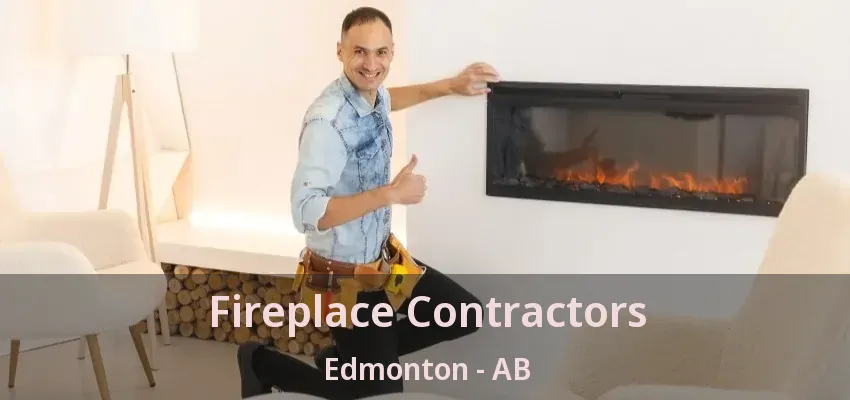
Fireplace contractors usually fall into a few groups: service companies that sweep, inspect and handle common repairs; masons who rebuild fireboxes, chimneys and stone or brick surrounds; and installers who fit stoves, inserts and factory-built units. Some businesses cover all three. When you search for “fireplace contractors”, it helps to match the problem to the trade, since a crew that builds new surrounds may not sweep chimneys, and a sweep may not lay brick. Describe the issue clearly and ask which parts of the job the company handles with its own people.
A nearby company is often the practical choice because it already knows how chimneys in your area were built and how local weather treats them. Houses from the same era and builder tend to share fireplace designs, flue sizes and weak spots, so a technician who works close by has probably seen your setup many times. Scheduling is simpler, and so is follow-up if you have a question or need a repair after the first visit. Before booking, confirm that the company does the work with its own team rather than passing it on, and ask which areas it covers.
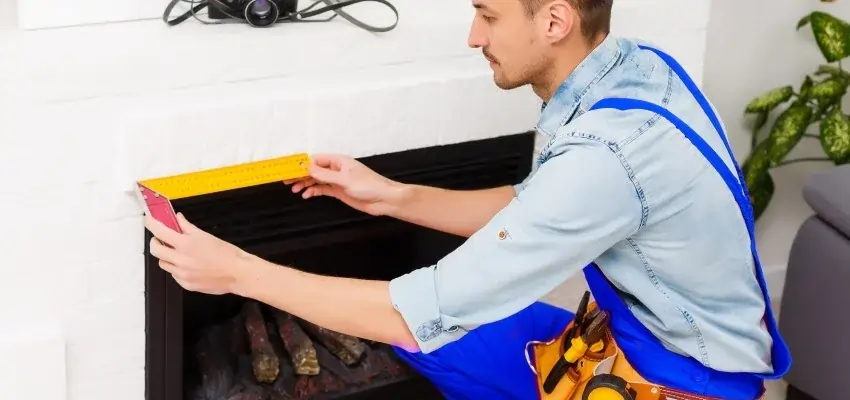
Renovations, inspections and sales are all good reasons to check the parts of a home that are usually out of sight. We can fit the visit around your contractors or your listing date. Request a quote for fireplace repair and upkeep and mention your timeline.
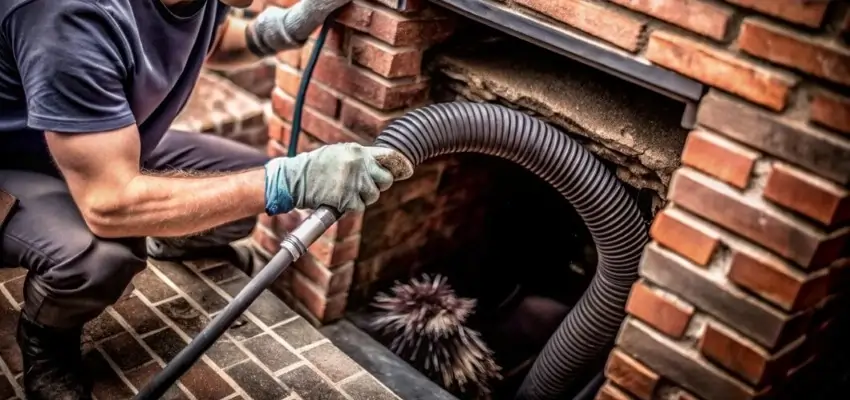
Less smoky smell, steadier flames: Chimney Cleaning around Edmonton
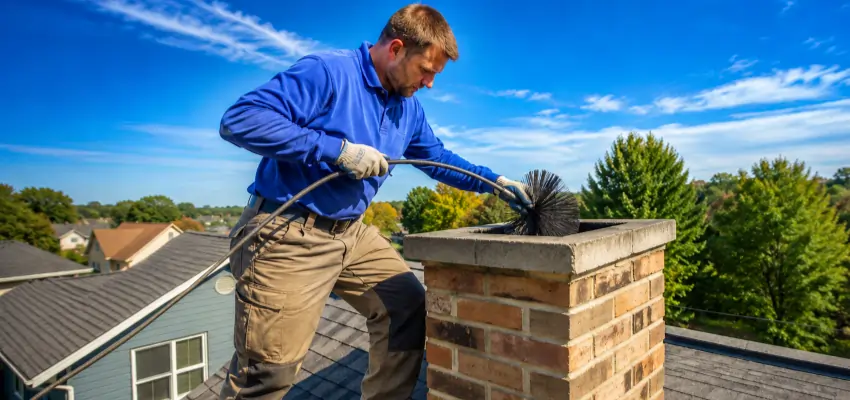
Creosote cleared, flue inspected: Chimney Sweep for Edmonton
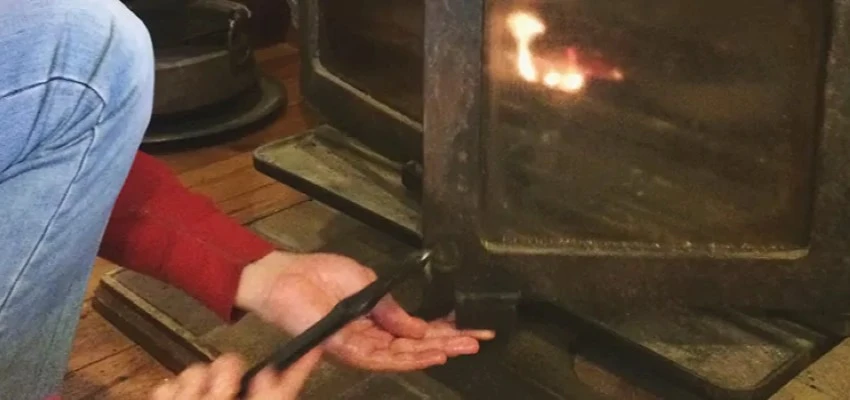
What's included in Chimney Sweep Services around Edmonton?
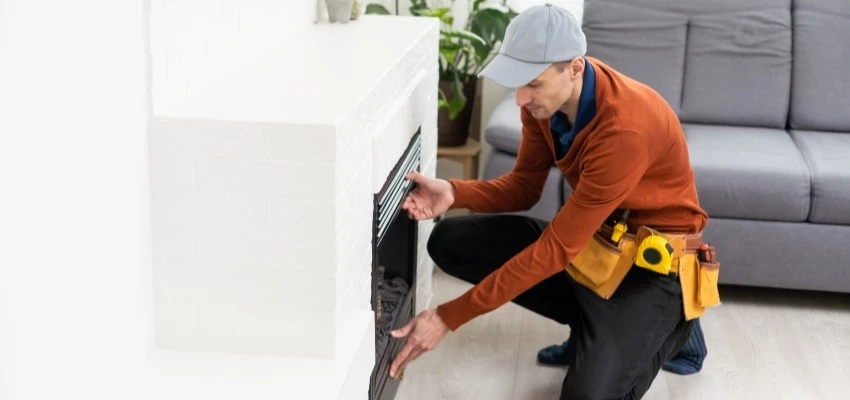
Before relighting in Edmonton, a visit from Fireplace Experts
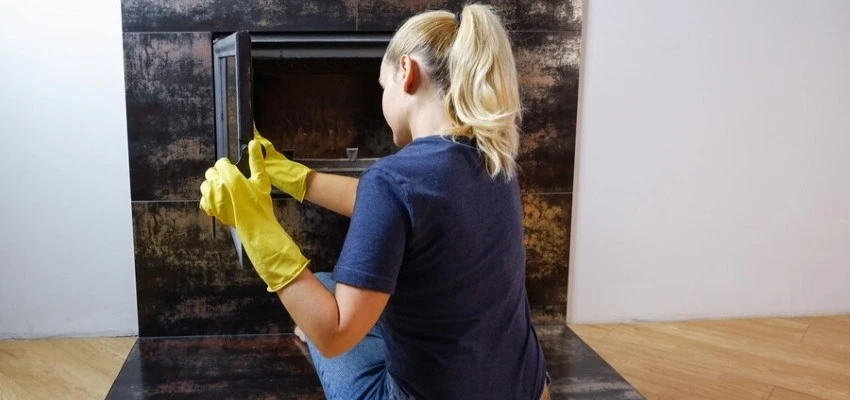
Gas Fireplace Cleaning, glass to burner ports
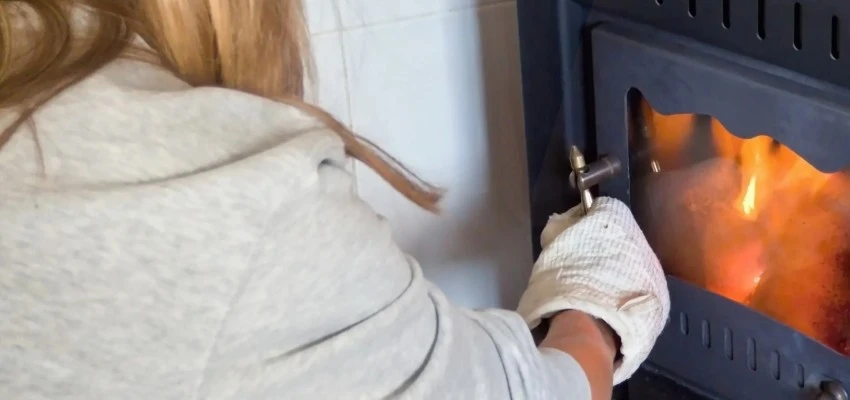
Burner ports, pilot hood, glass: Gas Fireplace Maintenance around Edmonton