
Few machines in a household run as often as the clothes dryer, yet almost nobody gives a thought to the pipe that carries its exhaust away. Every load sends warm, wet air and a little fluff through that hidden route, and as lint narrows it, cycles drag on and the cabinet heats up. If a search for “dryer vent cleaning” led you to this page, it walks through how dryer vent service works for an ordinary home in Edmonton, from the first phone call to the test run at the end.
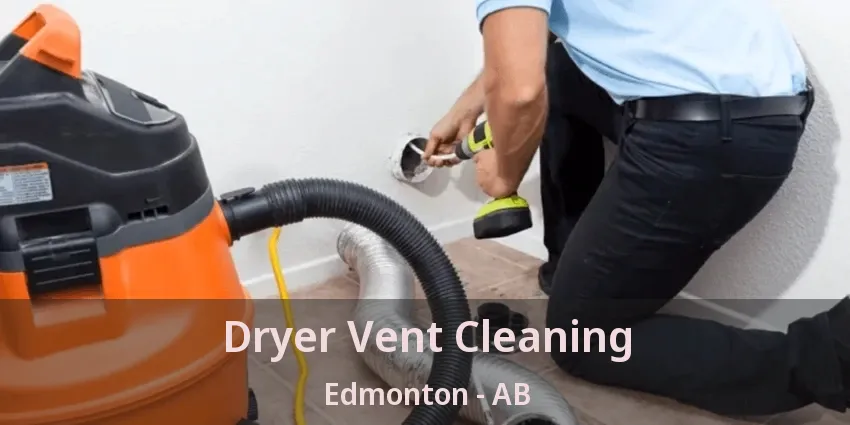
Gas and electric dryers both need a clear vent, and a gas dryer has one extra reason: its vent also carries combustion gases outside. If lint blocks the path, those gases have fewer places to go. That is why homes with a gas dryer should have working carbon monoxide alarms, especially near the laundry area and the bedrooms. Leave the gas connection alone, since moving the dryer or touching the supply line is a job for a qualified technician. If you ever smell gas, leave the home and call your gas utility from outside. The cleaning itself is very similar for both types.
Not in the usual sense, because a ventless dryer has no duct to the outdoors. Condenser and heat pump models cool the moist air inside the cabinet, collect the water in a container or send it to a drain and reuse the dried air. They still need care, though: the lint screen after every load, plus a second filter or a condenser unit that has to be rinsed or brushed as the manual describes. If you are reading about “dryer vent cleaning” and are not sure which type you own, look behind the machine. A round outlet with a hose attached means it is vented; no outlet at all means it is not.
A humid laundry room usually means the moist air from the dryer is not making it outside. That can happen when the vent is clogged, when the connector hose has slipped off behind the machine or when the outside flap is stuck. In colder months, warm exhaust can also condense inside a long or uninsulated run, leaving droplets or damp lint in the duct. Check that the hose is attached at both ends and that the flap opens. If you see water dripping from the vent or rust stains on the duct, have the run looked at, since trapped moisture makes lint cling and can damage nearby drywall.
Mostly lint, but rarely only lint. A typical haul is gray fluff mixed with pet hair, often packed into felt-like plugs at the elbows. Damp vents give up a sticky paste of fibers and dryer-sheet residue. Other finds include coins, hair ties and small items that slipped past a torn screen, twigs and grass from a nest and the odd insect at the outside hood. The debris tells a story: a heavy, dry layer points to a long gap since the last cleaning, while wet clumps hint at condensation. Ask to see what came out after your “dryer vent cleaning” visit, since it helps set the next date.
We clean roof vents from the laundry side first and finish at the cap, and they are some of the most packed vents we see. Lint travels up the vertical section, loses speed and falls back, so it builds in layers near the bottom of the riser and again at the cap. Many roof caps were never designed for dryers and have small openings or screens that collect lint quickly. Our rods have to be long enough for the full rise, and we only go up to the cap when the weather and pitch make it safe to be on the roof. Sometimes we suggest a cap made for dryer exhaust, which stays clear much longer.
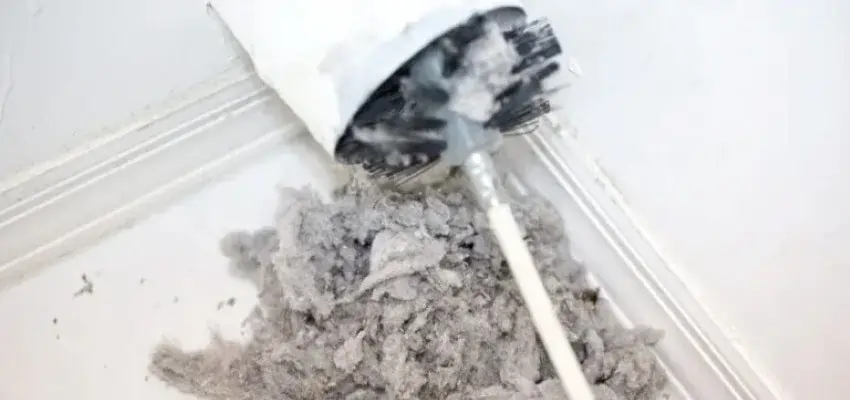
A common guideline is to have a dryer vent cleaned about once a year, though some homes need it more often and some can go a little longer. Large households doing laundry every day, homes with pets that shed and vents with long runs or roof exits usually fall on the more frequent side. A short, straight vent in a home with light laundry use may stay clear longer. The simplest rule is to watch drying times: if a normal load starts taking noticeably longer than usual, the vent is probably due, whatever the calendar says.
Preparing for a dryer vent visit mostly means making room. Finish any laundry in progress and empty the dryer, then clear baskets, detergent bottles and anything stored on top of or beside the machine so it can be pulled out. If the laundry is in a closet, take out what is on the floor. Outside, move furniture, bins or planters away from the vent hood and unlock any gate. Let the company know about stairs, tight doorways or a vent that exits on the roof. A clear path saves time and protects your floors and walls.
You can handle part of the job yourself, but most homes benefit from a professional cleaning of the full vent. Safe DIY tasks include emptying and washing the lint screen, vacuuming the screen slot, wiping lint off the outside hood and checking that the flap opens. Brush kits from a hardware store can work on a short, straight vent you can reach from both ends. Long runs, roof exits, gas dryers and vents hidden in ceilings are better left to a technician with longer rods and stronger vacuums. Leaf blowers tend to scatter lint and push clumps deeper rather than remove them.
Choose a dryer vent company that explains its process clearly and quotes based on your actual vent. A good company asks where the vent exits and how long the run is, tells you what the visit includes and gives a written price before starting. On the day, the technician should test airflow, show you what came out and point out any damage without pressuring you into repairs. Read recent reviews for comments about punctuality and tidiness. Be wary of very low advertised prices that grow once someone arrives, or of anyone pushing full air duct cleaning when you only asked about the dryer.
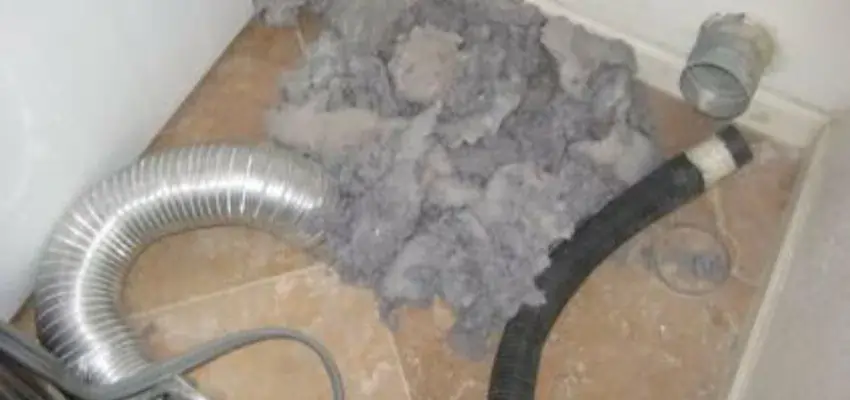
Not every issue makes a noise or a smell before it grows. A routine look at your dryer vent is the simplest way to find out where things stand. Call (587) 206-3388 and book dryer vent service with the Chimney Sweep Edmonton team.
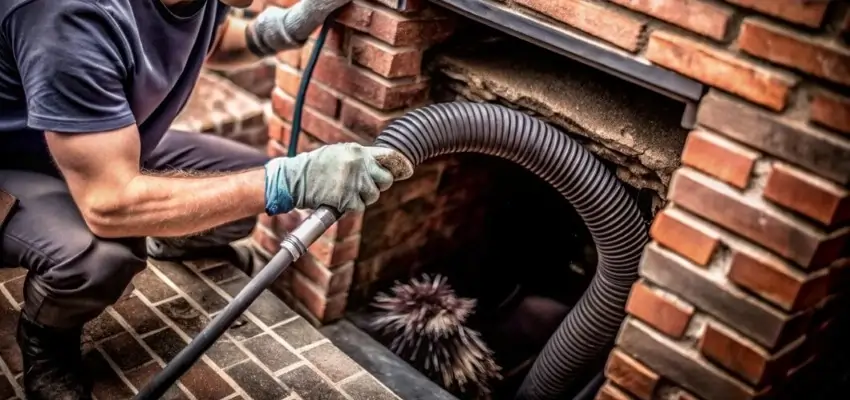
Less smoky smell, steadier flames: Chimney Cleaning around Edmonton

Creosote cleared, flue inspected: Chimney Sweep for Edmonton
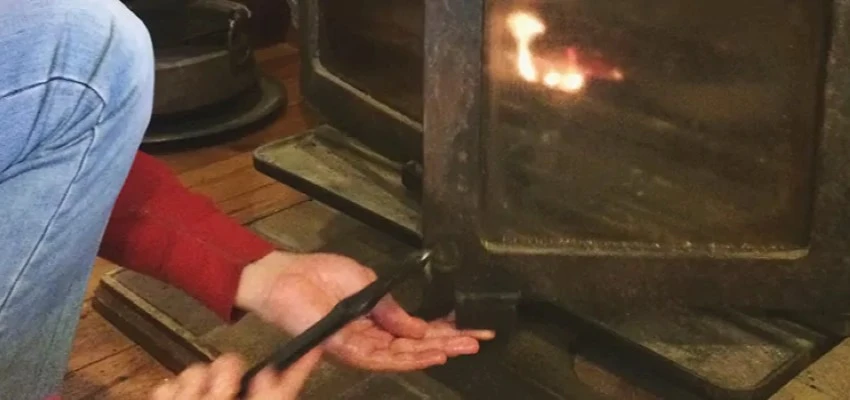
What's included in Chimney Sweep Services around Edmonton?

Before relighting in Edmonton, a visit from Fireplace Experts
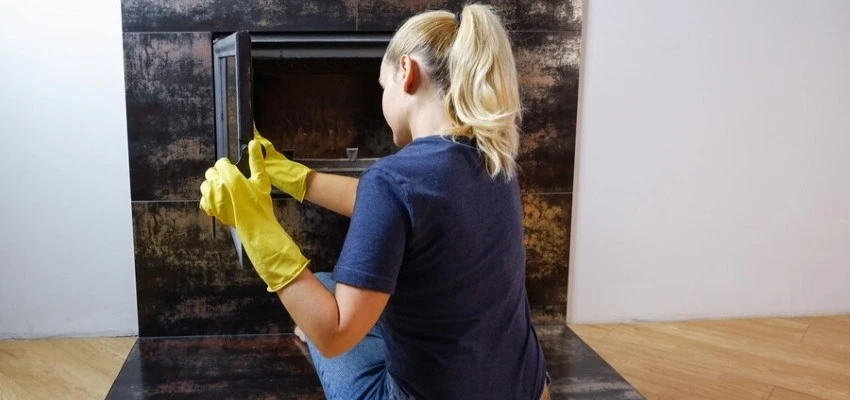
Gas Fireplace Cleaning, glass to burner ports
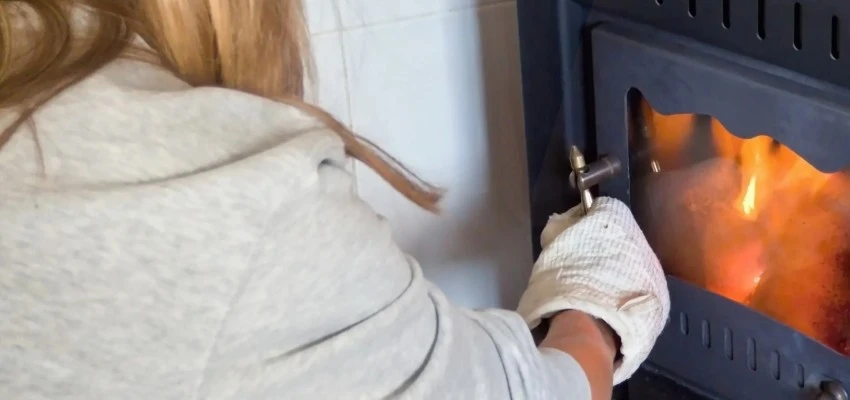
Burner ports, pilot hood, glass: Gas Fireplace Maintenance around Edmonton