Whether you own a detached house, a townhouse or a condo, a dryer vent works the same way: warm air and lint travel from the drum to an opening outside. What changes is the route, and the route decides how quickly lint builds up. For homeowners and landlords in Edmonton researching “dryer lint cleaning”, the answers that follow explain dryer lint cleaning in practical terms, with notes on the setups that come up most often.
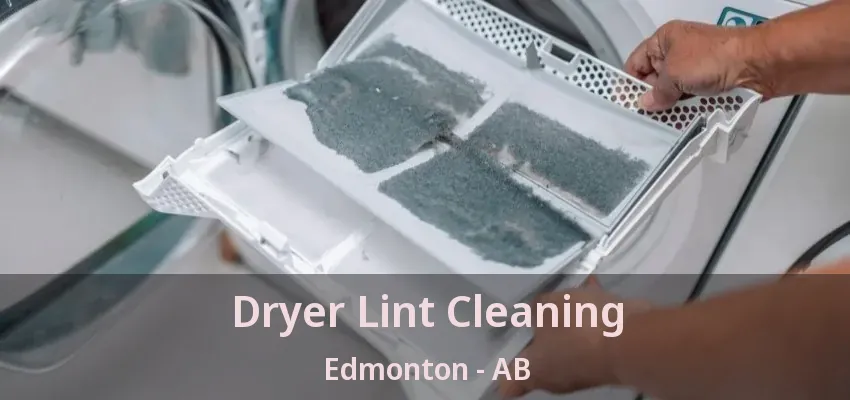
No, cleaning the lint trap is important but not enough on its own. The screen catches most of the lint, yet fine fibers still pass through it with every load and collect further along, inside the dryer housing, the connector hose and the vent run. Think of the screen as daily upkeep and dryer lint cleaning as the occasional deeper job. Keep emptying the screen after each cycle, and plan on having the vent itself cleared periodically, sooner if drying times start creeping up or the outside flap barely opens when the dryer runs.
A bird nest in a dryer vent should be removed before the dryer is used again, because twigs and grass block airflow and catch lint quickly. Signs include chirping or scratching near the outside hood, nesting material poking out of the opening and a flap that stays open. Avoid reaching into the vent yourself, especially if birds are still inside. A technician can clear the nest, clean the duct behind it and fit a hood designed to keep birds out while still letting lint pass. Nesting season in spring is when this happens most often.
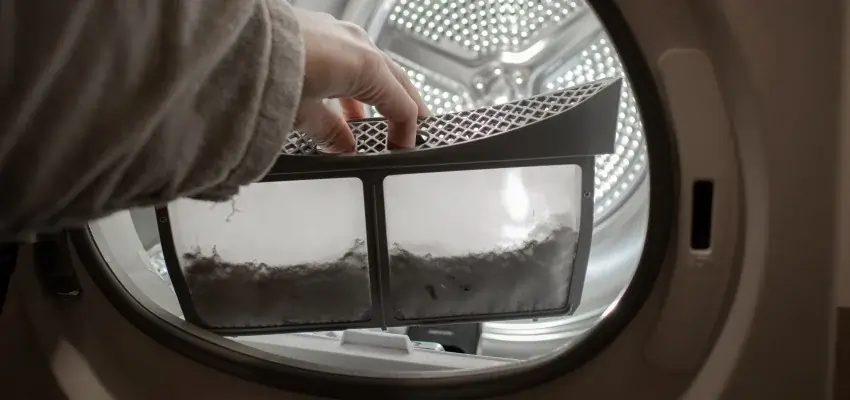
A thin, even layer after each load is normal, and a thicker mat after towels or bedding is expected too. What is not normal is finding almost nothing on the screen after a full load of towels, because it can mean lint is slipping around a damaged screen or the dryer is not moving enough air to carry it there. Lint collecting on the floor around the dryer, inside the door seal or on the wall behind the machine is another warning. Either case is worth mentioning when you book dryer lint cleaning, since it points to where the fibers are escaping.
A dryer vent that ends on the roof is cleaned the same basic way as a wall vent, but it usually takes more time and needs roof access, so it is a job to leave to a professional. The technician typically cleans from inside first, then goes up to clear the roof cap, which often has a lint-clogged screen or a flap that has stuck. Roof vents tend to clog faster because the air has to push lint upward over a longer run. If your dryer vents through the roof, mention it when you book so the right ladders and rods come along.
A standard dryer vent cleaning usually takes about an hour, sometimes a little less for a short, straight vent. Longer visits are normal when the run is long, ends on the roof, has many bends or has not been cleaned in a long time. Extra work such as replacing the connector hose or the outside hood adds time too. Plan to be home for the whole visit, keep the path to the laundry area clear and expect a short walkthrough at the end. If you want a closer estimate, describe the vent route and where it exits when you book.
Yes, someone usually needs to be home for dryer vent cleaning, since most of the work happens indoors at the dryer. An adult who can let the technician in, point out the laundry area and answer a question or two is enough. Plan to be around at the end as well, when the dryer is reconnected and tested and the results are explained. If you cannot be there, ask whether a family member, neighbor or property manager can stand in. For rental homes in Edmonton, landlords often arrange access with tenants ahead of time so nobody is caught off guard.
A dusty laundry room usually means lint is escaping before it reaches the outside. Common reasons include a hose that has slipped off its fitting, a gap at the wall connection, a worn door seal or a torn screen. Some fluff also drifts out when you empty the screen. Wipe surfaces with a damp cloth rather than a dry duster, and check the connection behind the dryer. If the dust returns quickly, a “dryer lint cleaning” visit can find the leak and seal it, which keeps the room cleaner and sends the lint where it belongs.
The change is usually easy to measure. We test airflow at the outside opening before and after, and the difference is often obvious just by holding a hand near the hood. Inside, the dryer should finish a normal load in a single cycle again, and its cabinet should feel warm rather than hot. We reconnect the hose with a gentle curve and leave the dryer where it can breathe. If we found anything that needs follow-up, such as a damaged section of duct, we explain it before we leave so there is no confusion about what was done and what was not.
If we were hiring someone for our own homes, we would listen to how they talk about the vent. A company that knows the work asks about the route, the exit point and the dryer type before quoting. It explains how it will clean, not just that it will. It shows you the lint and the airflow difference afterward and tells you plainly when something needs fixing. Tidy work matters too, because lint gets everywhere if equipment is handled carelessly. Clear communication on the phone is usually a good preview of how the visit itself will go.
Whether it is a sound, a stain or something you spotted while cleaning, mention it when you contact us so the technician knows where to start. Describe what you noticed and Chimney Sweep Edmonton will follow up about dryer lint cleaning for your home.
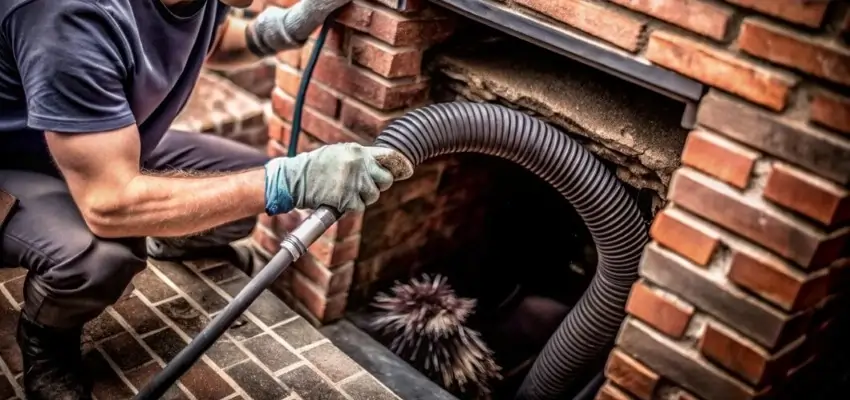
Less smoky smell, steadier flames: Chimney Cleaning around Edmonton

Creosote cleared, flue inspected: Chimney Sweep for Edmonton
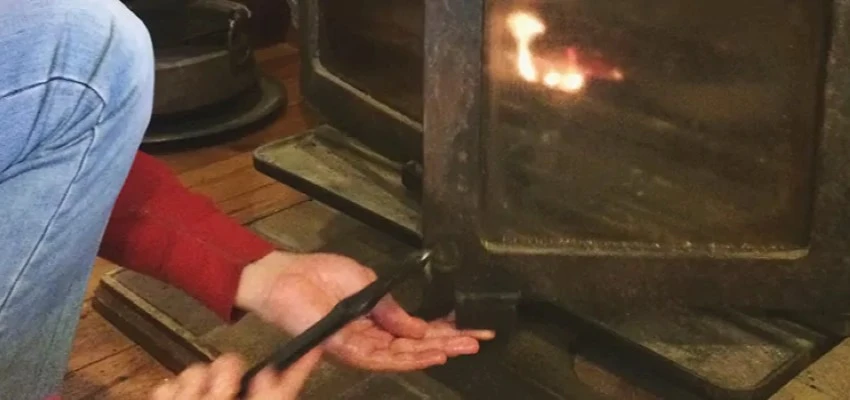
What's included in Chimney Sweep Services around Edmonton?
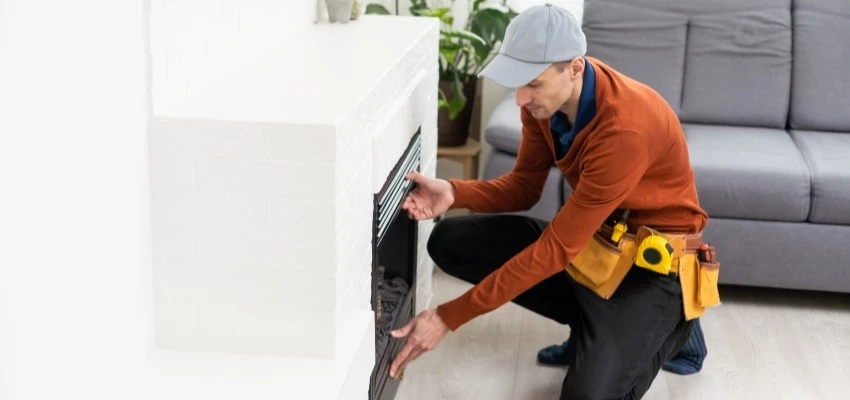
Before relighting in Edmonton, a visit from Fireplace Experts
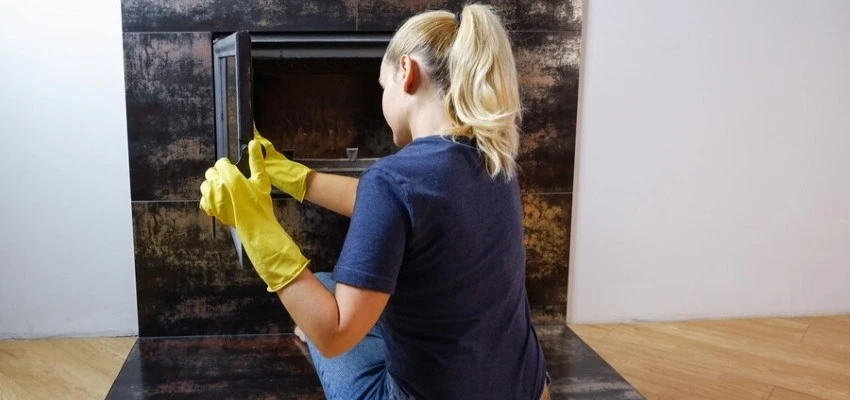
Gas Fireplace Cleaning, glass to burner ports
Burner ports, pilot hood, glass: Gas Fireplace Maintenance around Edmonton