
Clear information gets surprisingly hard to find once you look up “clogged dryer vent cleaning”. Some sources make every dryer sound like a hazard, while others suggest the lint screen is all that matters. For most homes in Edmonton, the truth sits somewhere in between. The answers here explain how a dryer vent works, why lint collects where it does and what clogged dryer vent cleaning actually changes, so you can decide what your household needs.
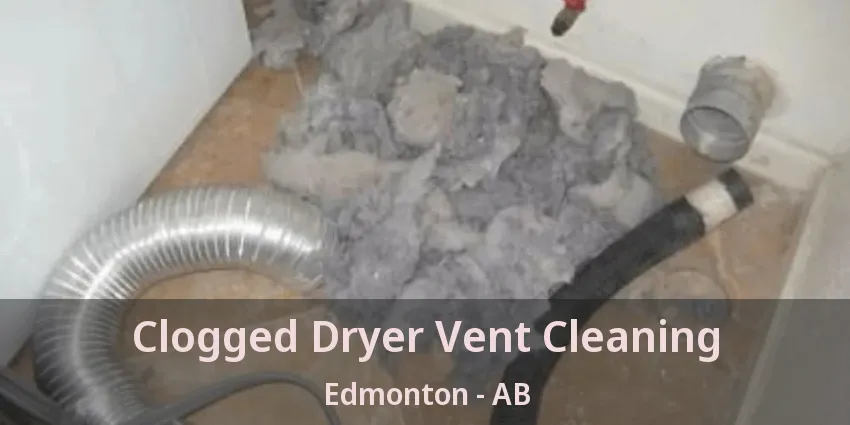
It can. Lint is light, dry and burns easily, and a clogged vent traps both lint and heat close to the dryer’s heat source. Dryers have safety switches that cut the heat when temperatures climb too high, but those parts can wear out, and a blocked vent makes them trip far more often. The risk for any single home is modest, yet it is real enough that keeping the vent clear is widely recommended. Empty the screen every time you use the dryer, avoid running it when nobody is home and have the vent cleaned if drying times are getting longer.
Dryer vent cleaning matters because the vent is the only way hot, moist air and loose lint can leave the machine. When lint narrows that path, the dryer has to run longer to finish each load, which wastes energy and wears out parts such as the heating element and blower. Heat also builds up inside the cabinet and duct, and lint ignites easily. Keeping your dryer vent clear helps loads dry on time, keeps the laundry room cooler and reduces a known fire risk in many homes. It is a small job compared with replacing a dryer that has been straining for too long.
Get the nest removed and the duct behind it cleared before the next load; we pull nests out of dryer vents more often than most people expect. Birds like the warmth and shelter of a hood whose flap is stuck open or missing, and a low wall vent near a deck or roofline is an easy target. Mice and other small animals sometimes move in too. The nest itself is only part of the job, because the debris usually pushes a plug of lint back up the duct. After clearing it, we confirm the flap closes on its own and recommend a guard style that discourages nesting without trapping lint at the opening.
The pattern we hear most is a dryer that used to finish a load in one cycle and now needs two. That change happens gradually, so people adapt without noticing. Other things we look for on arrival: a scorched-dust smell near the machine, a top panel that is hot to the touch and a weak puff of air at the exterior opening. Sometimes the dryer shuts off mid-cycle because its overheat protection has tripped. When several of these show up at once, the vent is almost always involved, and clearing it is the first fix to try.
Most clogs start with ordinary lint, but they rarely stay that simple. Fine fibers stick to the duct wall, moisture from damp loads turns them into a tacky film and that film catches more fibers each cycle. Pet hair binds the mix together. Other culprits include a crushed hose behind the machine, a flap glued shut, a nest at the exterior opening and joints held with screws that snag fluff. Homeowners looking into “clogged dryer vent cleaning” usually find more than one of these at work, which is why clearing a clog should include checking the whole path, not only the visible end.
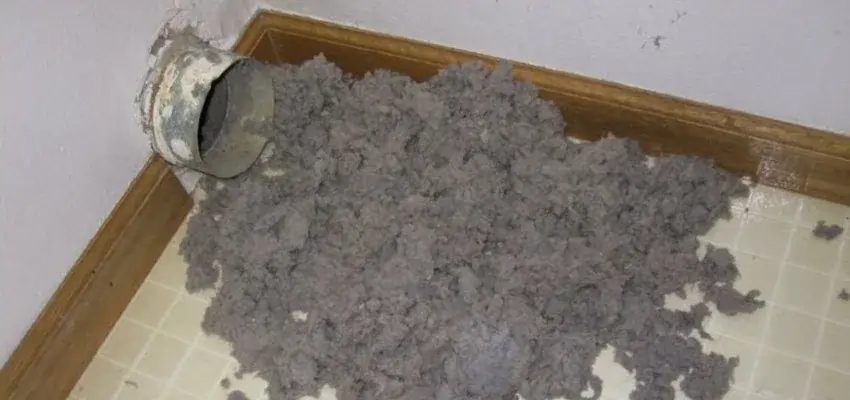
A heavy clog usually has to be broken up in stages rather than pushed out in one go. The technician typically detaches the dryer, works out how far the blockage sits from each end and advances toward it with a rotating head while strong suction pulls the loosened material away. Driving a solid plug the full length of a long run can jam it at an elbow, so working from both ends is common. Once air moves again, the duct is brushed a second time to remove the remaining coating. Anyone booking “clogged dryer vent cleaning” should expect a longer visit than a routine cleaning.
We tell most households to plan on yearly cleaning and then adjust based on what we find. If we pull a thick layer of lint out of the duct after twelve months, that home should come back sooner. If the run is short and only lightly coated, stretching the interval is reasonable. Laundry volume is the biggest factor, followed by vent length, the number of bends and how much pet hair or towel fluff goes through the machine. Writing down the date of each cleaning, with a note about how much came out, makes the right schedule easy to see.
We love meeting pets, but we would rather they watch from a closed room. Our equipment includes hoses across the floor, a rotating brush that spins at high speed and a vacuum loud enough to frighten most animals. Children are naturally curious about where the lint comes out, and the brush end can whip when it exits the outside hood. A quick check at the start of the visit, to confirm which doors stay shut, solves all of that. Pet hair also tells us something useful: households with heavy shedders tend to need vent cleaning more often.
The flap is a simple one-way valve, and it tells you a lot in a few seconds. With the dryer running, we expect it to lift firmly and stay up. A flap that flutters weakly suggests restricted airflow somewhere upstream. When the drum stops, a healthy flap drops shut so cold air, rain and pests stay out. Lint on the hinge is the usual reason one sticks. We also look for warping and for a housing that has pulled away from the wall. A quick look every few months is one of the easiest checks a homeowner in Edmonton can make.
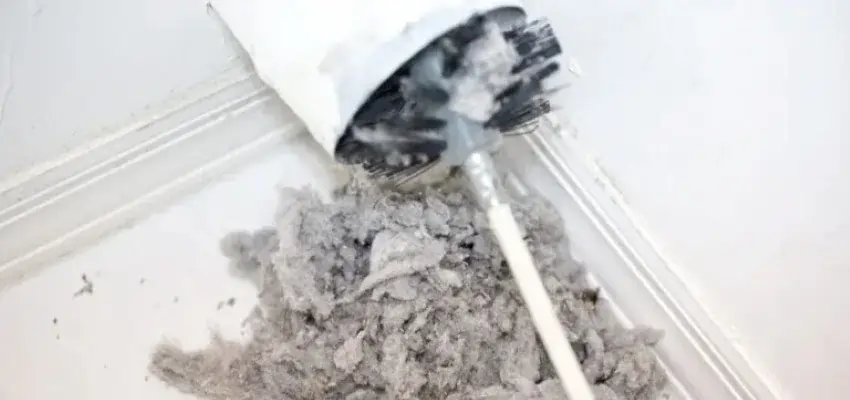
We would rather you book the service you actually need than the biggest package on the list. Tell us what is going on and we will explain what we recommend for your dryer vent and why. Call (587) 206-3388 to speak with the team serving Edmonton.
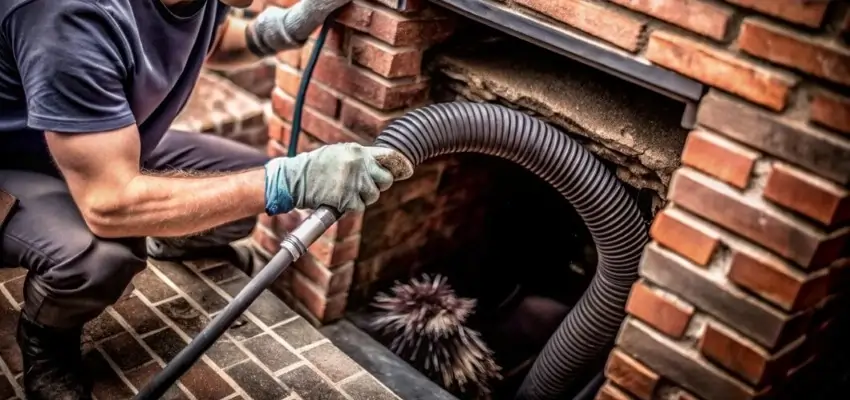
Less smoky smell, steadier flames: Chimney Cleaning around Edmonton

Creosote cleared, flue inspected: Chimney Sweep for Edmonton

What's included in Chimney Sweep Services around Edmonton?

Before relighting in Edmonton, a visit from Fireplace Experts

Gas Fireplace Cleaning, glass to burner ports
Burner ports, pilot hood, glass: Gas Fireplace Maintenance around Edmonton