Nobody needs to panic about a chimney, and nobody should ignore one either. The sensible middle ground is knowing what to watch for and when to bring in help. If “chimney service” is what you typed, this page lays out that middle ground for people in Edmonton: what chimney care involves, what a technician looks at and what you can keep an eye on between visits, all in plain terms and with the reasoning behind each answer.
Soot is dry carbon and creosote is a tar-based wood smoke residue, and telling them apart helps us work out what is going on with the appliance. Soot wipes off on a fingertip and falls easily under a brush. When we find heavy soot in a flue serving a gas furnace, boiler or fireplace, we take it as a sign the burner may need attention from a qualified gas technician. Creosote, by contrast, tells us how the wood fires have been run: flaky deposits suggest reasonably hot burning, while sticky or glassy layers point to cool, smoky fires or firewood that was not dry enough.
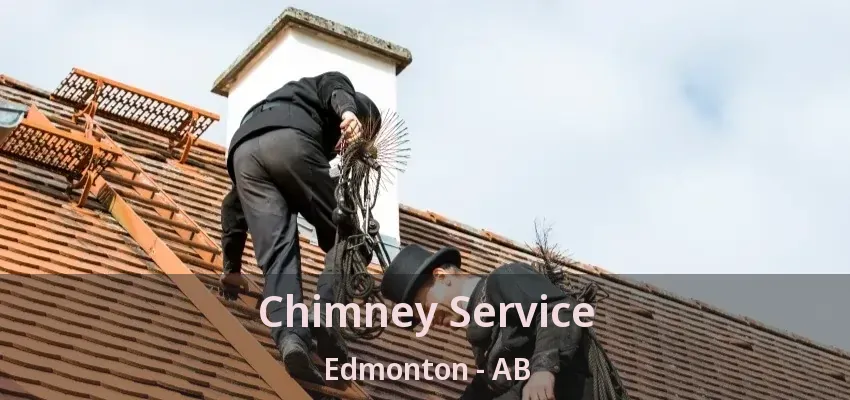
The phrase “chimney service” covers a range of work, and most companies offer it as a menu. The core is cleaning the flue, smoke chamber and firebox along with a visual or camera inspection. Common additions include fitting or replacing a cap, repairing or upgrading the damper, clearing nests or debris, dealing with odors and making small masonry or crown repairs. Larger jobs, such as relining or rebuilding, are usually quoted on their own. When you call, describe what you want to achieve and ask which items are standard and which are optional, so the visit matches your needs.
Smoke comes back into the room when the chimney cannot pull it upward fast enough, and the usual causes are a cold flue, a partly closed damper or a house that is short of air. Make sure the damper is fully open and start with a small, hot kindling fire so the flue warms gradually. Kitchen and bathroom fans can draw air down the chimney, so switch them off and open a nearby window slightly. Wet wood produces heavy smoke too. If smoke still spills in after those changes, a blockage or a problem with the chimney itself needs a professional look.
A camera earns its place on almost every visit, because the inside of a flue is the one part of a chimney nobody can see directly, and most serious problems start there. The camera head rides up on a rod with its own light, and the screen shows each joint and tile in turn. That is how we find the hairline crack two thirds of the way up, the liner section that slipped after a storm, or creosote packed above a bend in a stovepipe. Recording it matters too: when we recommend a repair, the footage lets the owner see exactly what we saw rather than taking our word for it.
A chimney quote is mostly time, access and materials, in that order. A single-story house with a gentle roof pitch and one lightly coated flue is quick. A three-story chimney, a slate or tile roof that needs extra care, or a cluster of flues on an apartment building calls for more equipment and more hands. Condition matters too: a flue we can brush in one pass costs less than one that needs rotary tools or several trips. Parts such as caps, dampers or liner sections are separate from labor. We would rather explain those factors up front than surprise anyone later.
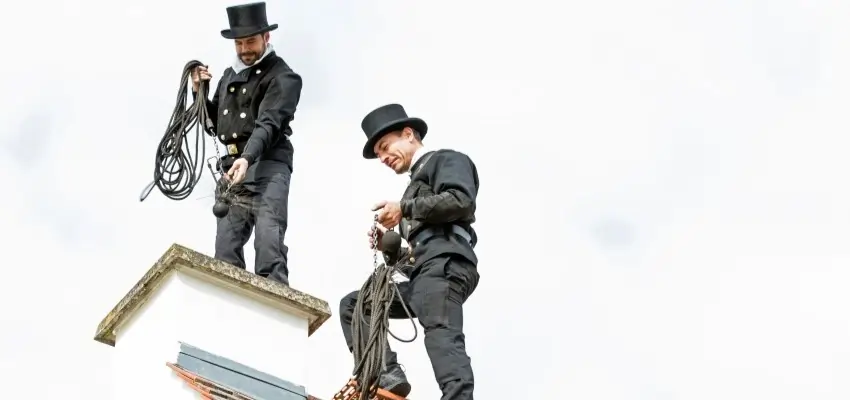
A simple log makes each visit more useful. Note roughly how many fires you have had, what wood you burned and whether it was fully dry. Jot down any smells, smoke in the room, sounds in the flue or water stains near the chimney, along with the date. Check the cap from the ground after big storms and note anything that looks bent or missing. Keep the reports from previous visits together. Sharing that history during your next “chimney service” appointment helps the technician spot trends instead of judging the chimney from a single day.
The chimneys we find cleanest belong to owners who burn hot and dry. Creosote forms when smoke cools before it leaves the flue, so anything that keeps smoke hot and thin helps. Well-seasoned wood looks gray, has cracked ends and knocks hollow; heavy, fresh-looking logs hiss and smoke. Top-down fires, with kindling above the larger pieces, tend to burn cleanly from the start. Stove owners who run a brisk fire for a while each morning, rather than smoldering it all night, also see less buildup. A flue that stays lightly coated from one year to the next is the clearest proof the routine is working.
If the sweep finds damage, ask to see it, ask what it means for safety and get a written quote before you agree to anything, since a sound recommendation can always be shown and explained. Photos or camera footage should make the problem clear. Ask whether the fireplace or stove can be used in the meantime, and which repairs are urgent and which can be planned. Common findings include a cracked crown, loose flashing, a rusted damper, a missing cap or cracked flue tiles. For larger jobs, such as relining, a second opinion is reasonable. Avoid deciding under pressure on the doorstep.
A local company brings knowledge a visiting crew would have to guess at, and that is the main reason to hire one. Working the same area season after season, we learn which streets have older brick chimneys with clay liners, which developments used factory-built metal flues and where storms tend to loosen caps. We also know local burning habits and when the fall rush begins. That makes quotes more accurate and visits shorter. When you call around Edmonton, ask where the crew is based and whether the same technician can come back for a follow-up.
Tell us your address in Edmonton, what you have noticed and when you are usually home. That is all we need to plan chimney care around your schedule. Send the details and the Chimney Sweep Edmonton team will reply with options and a price.
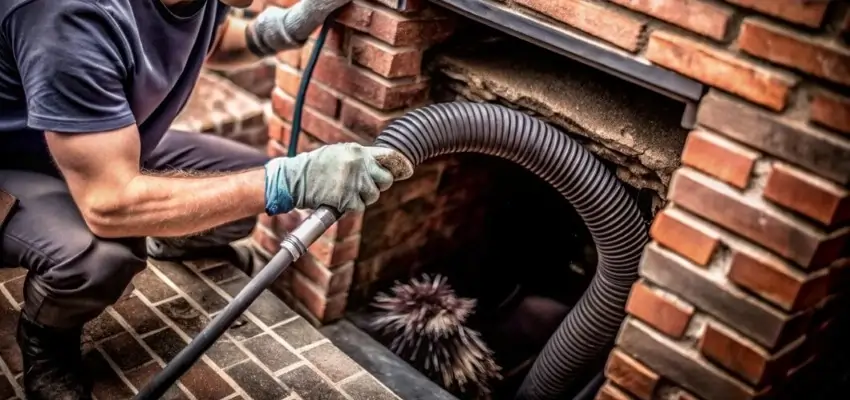
Less smoky smell, steadier flames: Chimney Cleaning around Edmonton
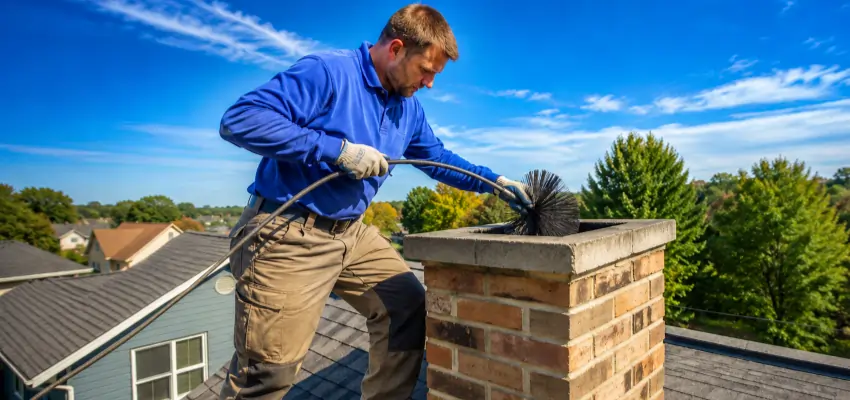
Creosote cleared, flue inspected: Chimney Sweep for Edmonton
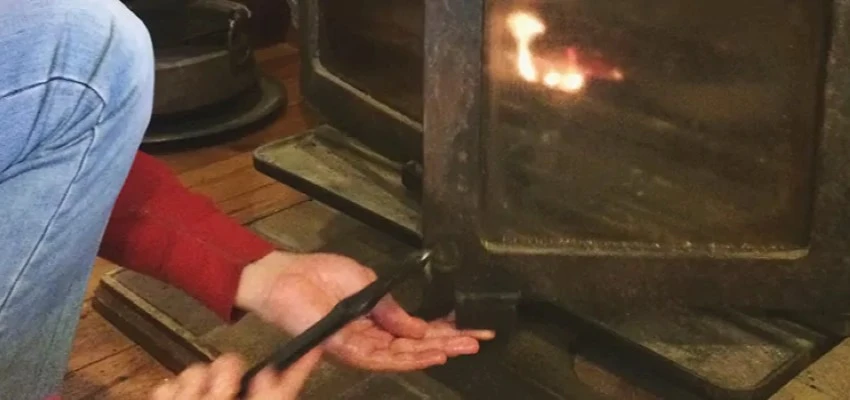
What's included in Chimney Sweep Services around Edmonton?
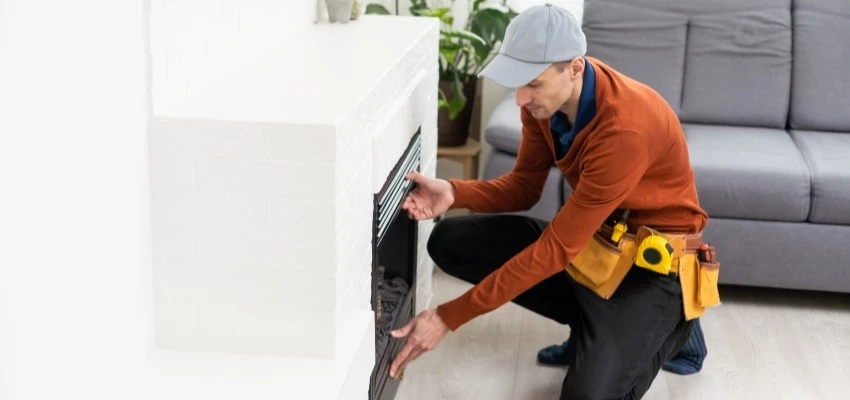
Before relighting in Edmonton, a visit from Fireplace Experts
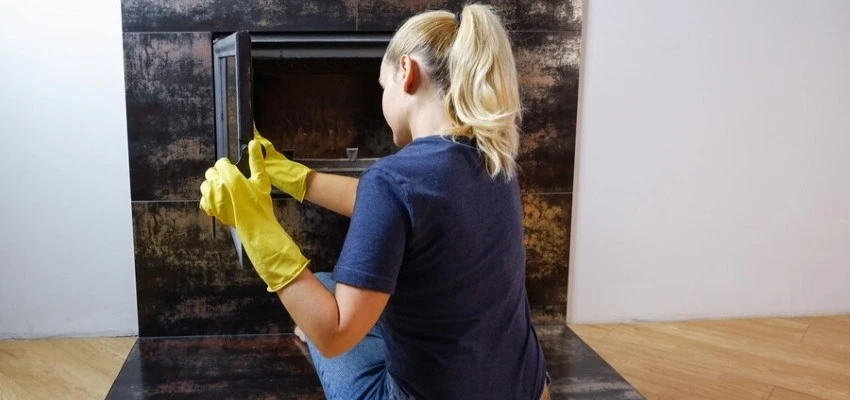
Gas Fireplace Cleaning, glass to burner ports
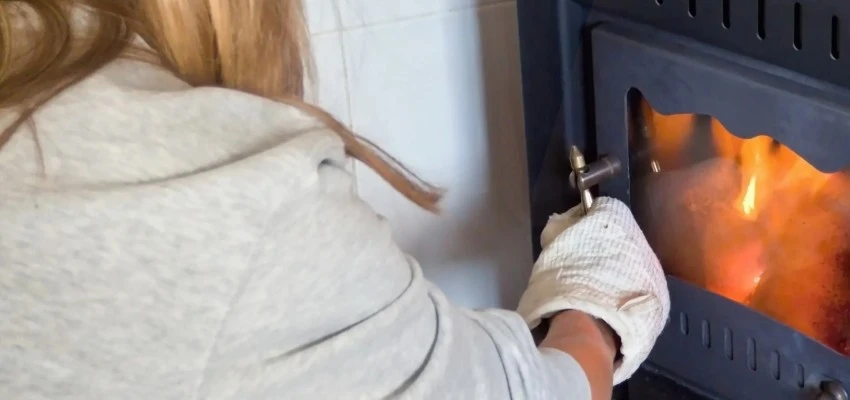
Burner ports, pilot hood, glass: Gas Fireplace Maintenance around Edmonton