Houses change over time. Fireplaces get converted, rooms are added, roofs are replaced and old chimneys are left doing jobs they were never designed for. When that happens, a search for “chimney remodel” is a natural next step. Here you will find practical answers about chimney renovation for homes in Edmonton, written to help you weigh your options calmly before you commit to anything or anyone climbs a ladder.
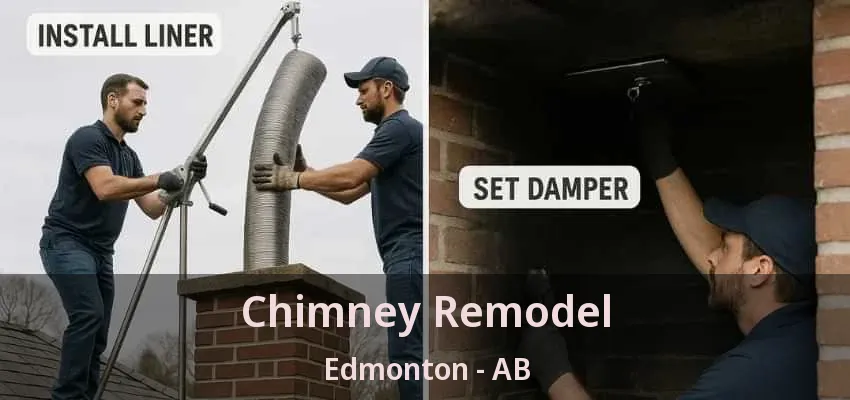
Work that affects the inside of a chimney, such as flues, liners, dampers or appliance venting, belongs with a chimney specialist, while a roofer is the right call for the shingles around it. Chimney technicians understand draft, heat and the clearances that keep nearby wood safe, and they have the tools to inspect a flue with a camera. Many jobs sit on the border, like flashing or the part of the chimney above the roofline, and either trade may handle them. When in doubt, ask how the company would check the flue and the chimney top, not only the outside.
Yes. A chimney that no longer serves any appliance can be taken down below the roofline, with the roof patched over, or capped at the top so rain and animals stay out while the structure remains. Full removal through the house is a bigger job because it affects floors, walls and sometimes structural support, so it needs careful planning. Partial removal is common when the top section is damaged. If you keep the chimney, a vented cover helps limit moisture buildup inside. Anyone considering a “chimney remodel” project like this should confirm that nothing, including a furnace or water heater, still uses that flue.
The clearest signs are water, debris and smoke where they do not belong. Watch for damp stains near the chimney, flakes of tile or brick in the firebox, rust on the damper or cap, a fireplace that smokes into the room and loose or leaning pieces at the top of the chimney. Outside, white staining on brick, gaps in mortar and plants or moss growing on top are worth noting. Any smell of smoke in rooms next to the chimney, or a carbon monoxide alarm, means stop using the appliance and have it checked before it is lit again.
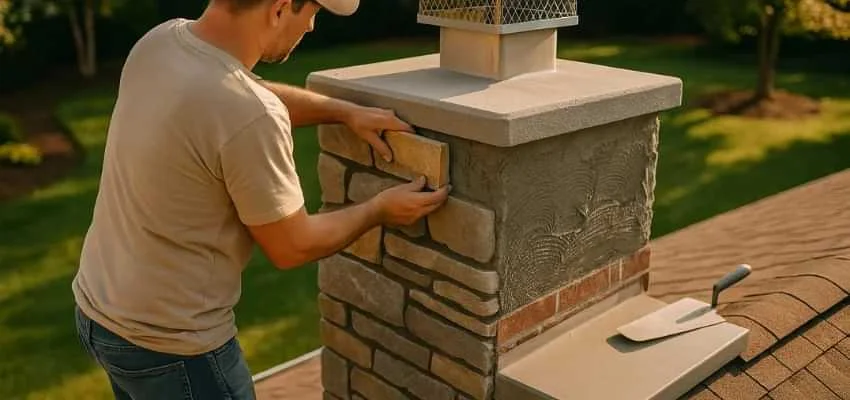
Often, yes. Thin stone veneer, natural or manufactured, can be applied over sound brick or over a framed chase with the right backing, lath and drainage details. The existing surface must be solid and clean, and the veneer needs flashing and a way for moisture to escape at the base so water does not get trapped behind it. Weight is a consideration on older chimneys. If you are planning a “chimney remodel” with stone in mind, ask how the veneer will be attached, how the top will be finished and how the work will meet the roof.
With heavy cloths, sealed openings and proper vacuums inside, and tarps and padding outside; mess control is part of the job, not an afterthought. Before we touch the chimney, we lay cloths in front of the fireplace and, when the work involves the flue, tape plastic across the opening so soot stays on our side. Our vacuums are built for fine dust, not household lint. On the roof, materials sit on tarps or boards so shingles are not scuffed. The messiest jobs break out old tiles or brick; for those, we warn you in advance and plan the clean-up accordingly.
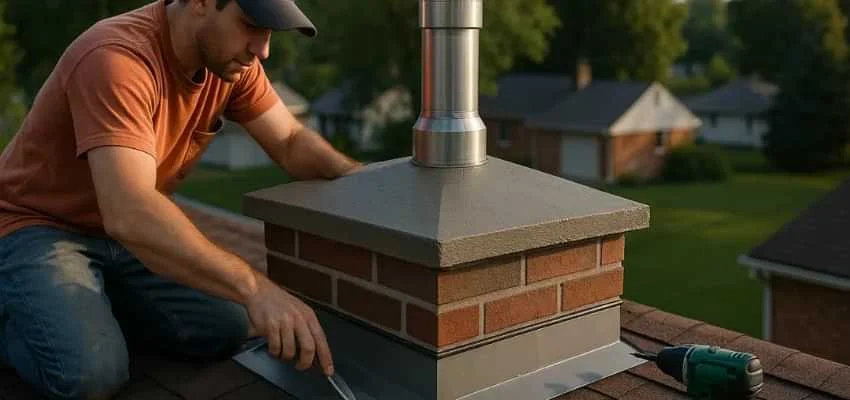
A common guideline is a professional check once a year, often before the season when the fireplace or stove is used most. Chimneys that serve wood-burning appliances, have had recent work or face harsh weather benefit most from that yearly rhythm. Extra checks make sense after a storm, a chimney fire, a roof replacement or any change to the fireplace or appliance. Even a chimney that is rarely used should be looked at, because weather, animals and settling affect it whether or not you light fires.
We need three things from you: a cold appliance, a clear path and good information. Cold means no fire or stove use for a day or so, so we can work in the flue safely. A clear path covers the hearth, the route through the house and the ground where ladders go. Good information includes gate codes, where the attic hatch is, any pets at home and anything fragile on the roof, such as skylights. With those sorted, setup goes quickly and the crew can spend its time on the chimney rather than moving patio chairs.
Burn dry wood, keep the top clear and book a yearly check; most of what keeps new chimney work in shape happens between our visits. Seasoned logs keep creosote down and protect liners and flue tiles. A cap or pot that stays clear lets the chimney draft properly. Water is the long-term enemy, so the crown, flashing and any repellent are worth a glance after big storms. We leave written notes on what we did and what to watch for. Homeowners who follow that routine rarely call us back for the same problem.
We would hire the company that asks the most useful questions. A contractor who knows chimneys wants to know the material, the height, the appliances and the history before naming a figure. On site, it should go up, look inside the flue and come back with photos. It should tell you what it will not do as clearly as what it will. Ask how it handles surprises mid-job and who will be on the roof. Companies that work in your area every week can also tell you what tends to fail on homes like yours, which is useful insight in itself.
Whether you want to book now or just gather information first, we are glad to help. Ask your questions about chimney renovation, your chimney or the timing that suits you. Contact Chimney Sweep Edmonton for homes across Edmonton.
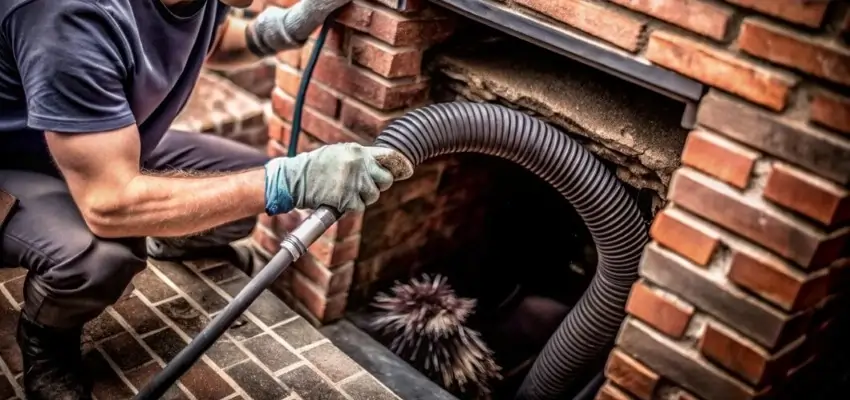
Less smoky smell, steadier flames: Chimney Cleaning around Edmonton
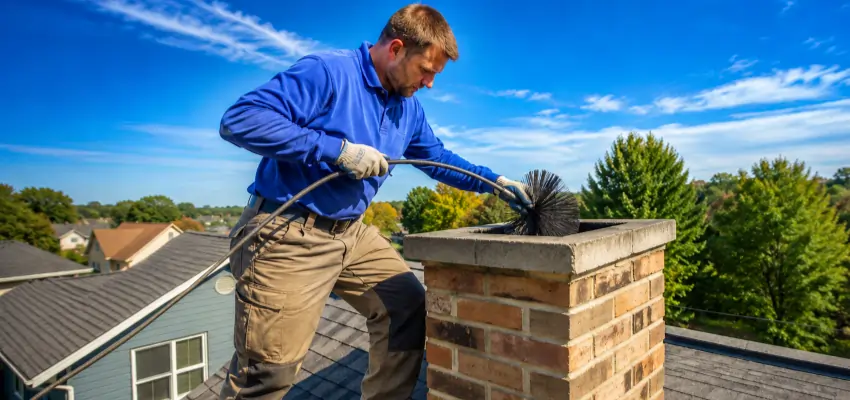
Creosote cleared, flue inspected: Chimney Sweep for Edmonton
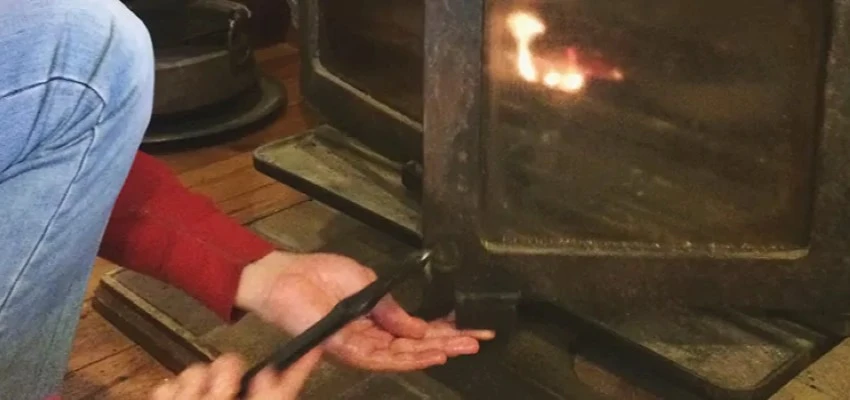
What's included in Chimney Sweep Services around Edmonton?
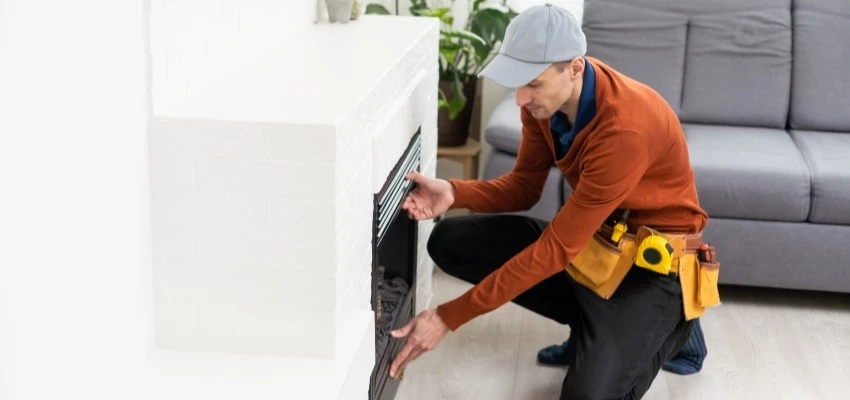
Before relighting in Edmonton, a visit from Fireplace Experts
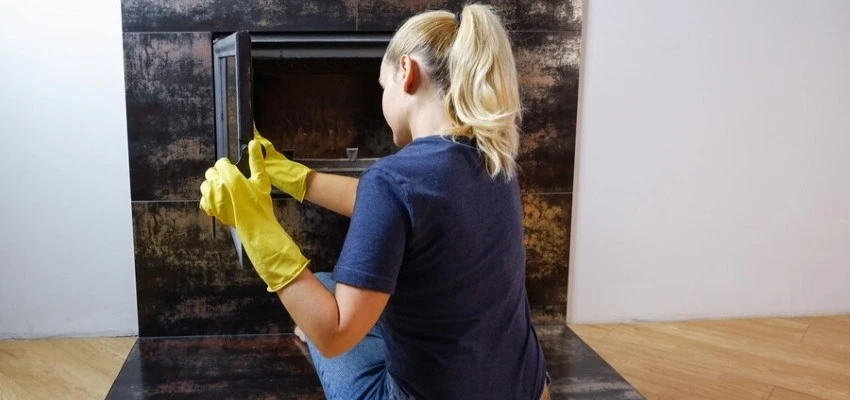
Gas Fireplace Cleaning, glass to burner ports
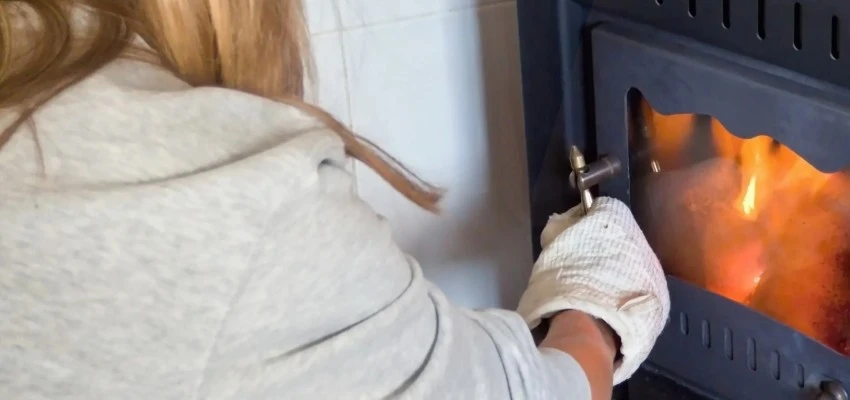
Burner ports, pilot hood, glass: Gas Fireplace Maintenance around Edmonton