It is easy to think of a chimney as a fireplace accessory, but it is also part of the roof, the walls and the frame of the house. When one piece fails, water and heat can reach places they were never meant to go. For homeowners in Edmonton who typed “chimney liner services” into a search bar, the answers on this page explain chimney liner service in everyday language, from the first warning signs to what happens once the work is done.
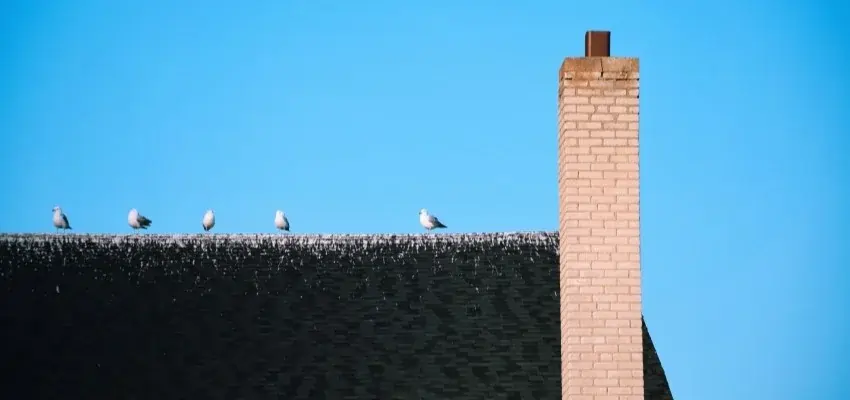
A masonry chimney has more parts than most people realize, and each one can need repair on its own. From the top down, you will usually find:
Inside the house sit the damper, the smoke chamber, the firebox and sometimes an ash dump. Factory-built chimneys swap the brick for a metal flue inside a framed chase with a metal cover on top.
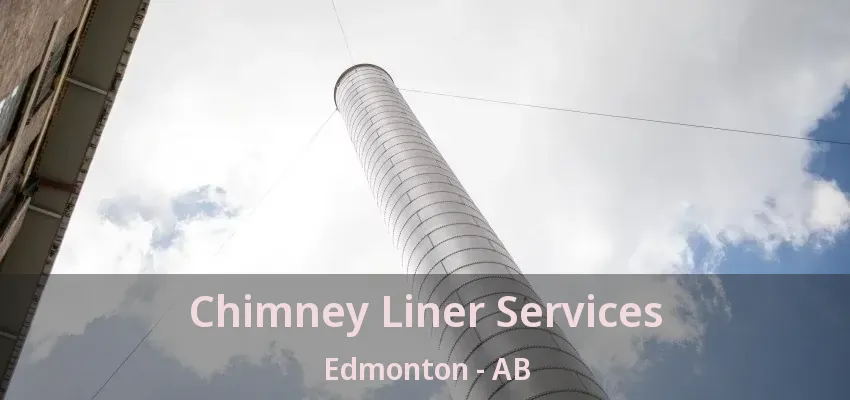
A chimney needs a liner because brick and mortar are not built to handle direct heat and corrosive exhaust on their own. The liner, whether clay tile, stainless steel or a cast-in-place material, forms a smooth channel inside the chimney that keeps heat away from nearby wood framing, contains sparks and stops acidic condensation from eating into the mortar. A properly sized liner also helps the fire or appliance draft well. Many older chimneys have clay tiles that have since cracked, and an unlined or damaged flue is generally considered unsafe to use until it has been repaired or relined.
Most signs of a damaged chimney liner are subtle, which is why a camera inspection is the usual way to confirm it. Clues you might notice include pieces of clay tile or flakes of mortar in the firebox, smoke or a smoky smell in rooms beside the chimney, weak draft that was not there before and moisture or staining on walls near the flue. A chimney fire, even a brief one, can crack clay tiles without leaving any visible sign outside. If you notice any of these, stop using the appliance on that flue and have the liner checked before the next fire.
There are three main types of chimney liner: clay tile, metal and cast-in-place. Clay tiles are common in older masonry chimneys and work well until they crack or shift, but replacing them inside an existing chimney is difficult. Stainless steel liners, rigid or flexible, are the usual choice for relining because they can be lowered down the existing flue, connected at the bottom and capped at the top, often with insulation wrapped around them. Cast-in-place liners use a cement-like mixture formed inside the flue. The right choice depends on the appliance, the flue size and the chimney’s condition.
A good stainless steel liner can last for many years when it is the right grade for the fuel, properly installed and kept clean. Lifespan shortens when a liner is undersized, when it serves an appliance it was not made for or when acidic condensation and creosote are left to sit inside it. Insulating the liner helps it stay warmer, which reduces condensation and buildup. Clay tile liners can also last a long time until a chimney fire or settling cracks them. Ask about the liner’s grade and the appliance it is meant for during chimney liner service, and keep the paperwork on file.
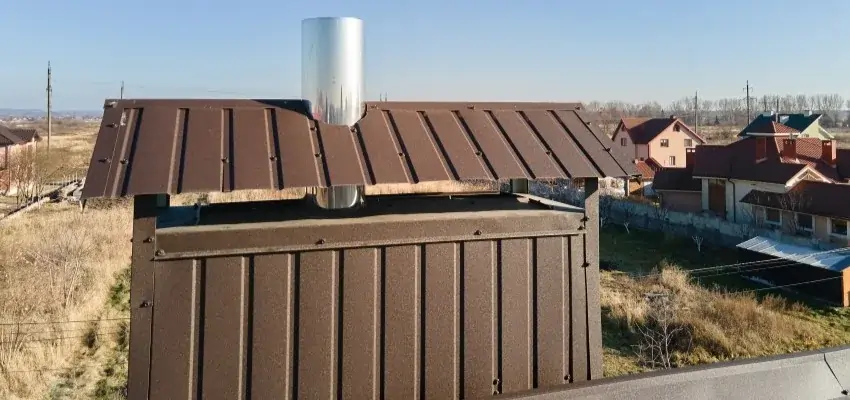
The fireplace or appliance on that flue is out of use for the visit and sometimes for a short time after. The crew usually cleans the flue first, then works from the roof to lower the liner and from inside to connect it, so expect drop cloths at the hearth and someone on the roof for much of the day. Many single-flue relines are finished in one visit, while chimneys needing tile removal or cast-in-place work take longer. Plan around the heating season if possible. Before booking “chimney liner services”, ask when the appliance can safely be used again and what the crew will need from you.
When booking chimney repair, describe what you have noticed and where, because those details shape the visit. Mention whether the chimney is brick, stone or a factory-built system in a framed chase, what it serves, such as a wood fireplace, gas fireplace, stove or furnace, and roughly how tall the house is. Say when the problem started, whether it gets worse with rain or wind and whether anything has been repaired before. Pictures of the chimney from the ground and of any stains or damage inside help the company bring the right parts and give a realistic time estimate.
Pick the company that gives you specifics. One that knows chimneys asks what yours is made of and what burns in it before giving a figure, and it talks about the cause of a problem rather than just the symptom. On site, it should take photos from the roof and inside the flue, lay out the options and let you decide without pressure. Tidy work matters, since soot and mortar dust travel. Ask how follow-up questions are handled once the job is done, and whether the same crew will come back if something needs a second look.
Local crews know the chimneys in the area, and that knowledge saves time and guesswork. Working the same streets season after season, we learn which subdivisions have tall chimneys on steep roofs, which builders used flat chase covers that rust and which older districts still have original clay liners. That history makes the first diagnosis faster and quotes more accurate. Being close by also means we can come back to check a repair after heavy rain without it becoming a major trip. When you call Chimney Sweep Edmonton, you reach people who work on chimneys around Edmonton every week.
We protect the work area, clean up before we leave and tell you what we found in words that make sense. You end the visit knowing the state of your chimney. Book chimney liner service with Chimney Sweep Edmonton when it suits you.
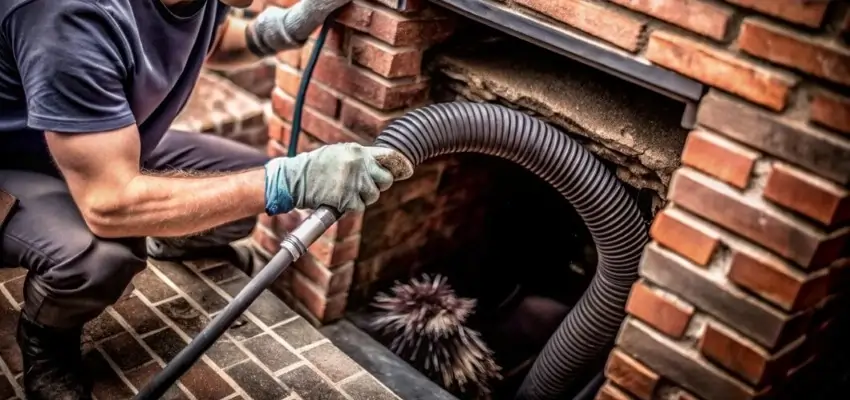
Less smoky smell, steadier flames: Chimney Cleaning around Edmonton
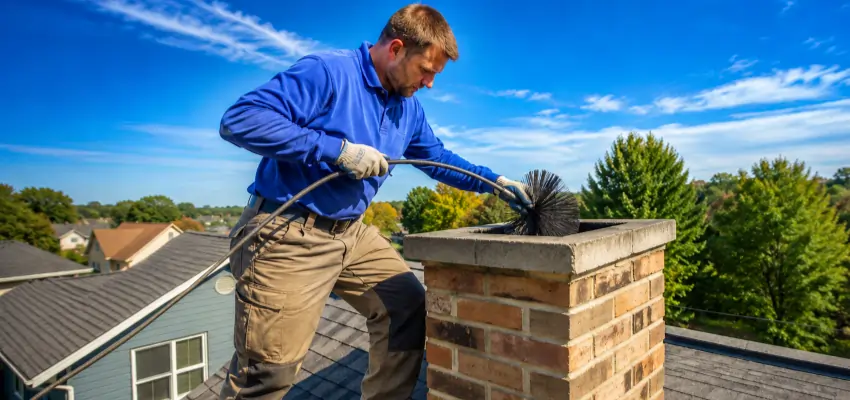
Creosote cleared, flue inspected: Chimney Sweep for Edmonton
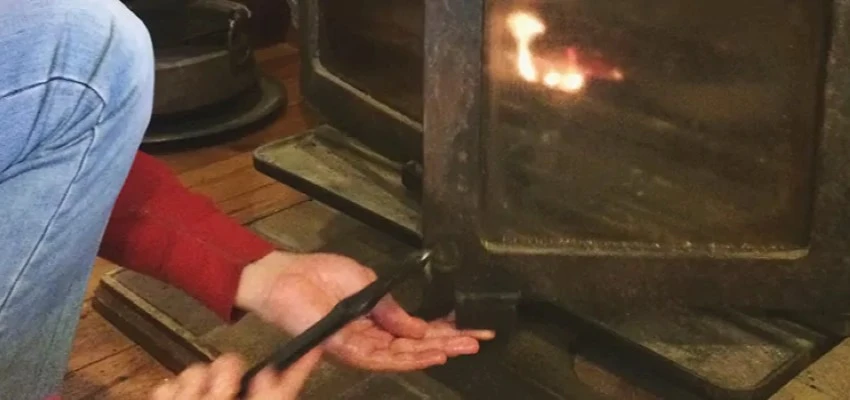
What's included in Chimney Sweep Services around Edmonton?
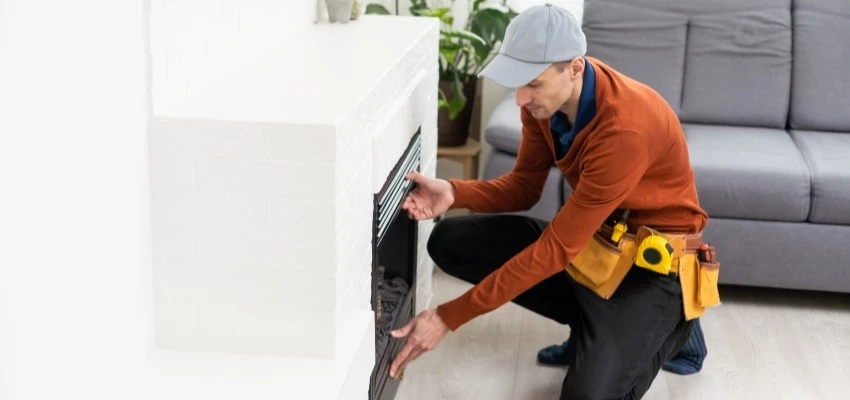
Before relighting in Edmonton, a visit from Fireplace Experts
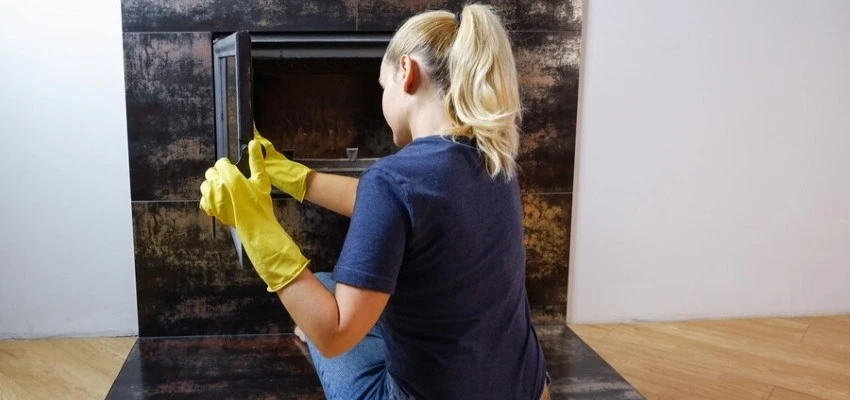
Gas Fireplace Cleaning, glass to burner ports
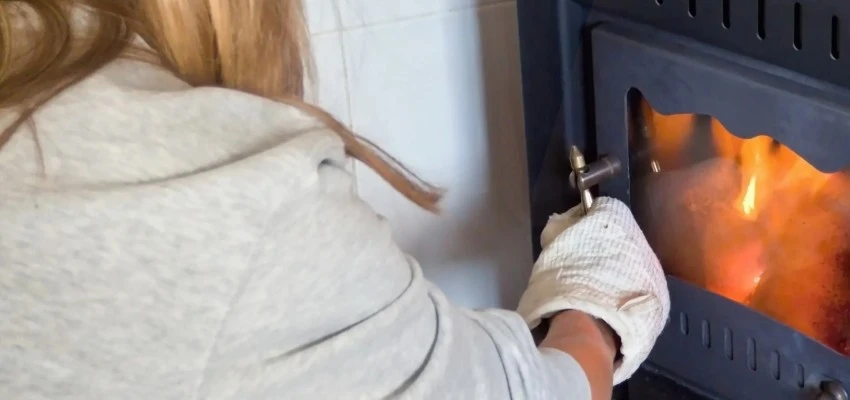
Burner ports, pilot hood, glass: Gas Fireplace Maintenance around Edmonton