Planning chimney work is easier when you understand what the contractor is talking about. Flue sizes, liners, pots, chases and water repellents all come up in quotes, often without much explanation. This page is for people in Edmonton who looked up “chimney flue services” and want straight answers about chimney flue service: why it is done, how it is done and which details matter for an ordinary home.
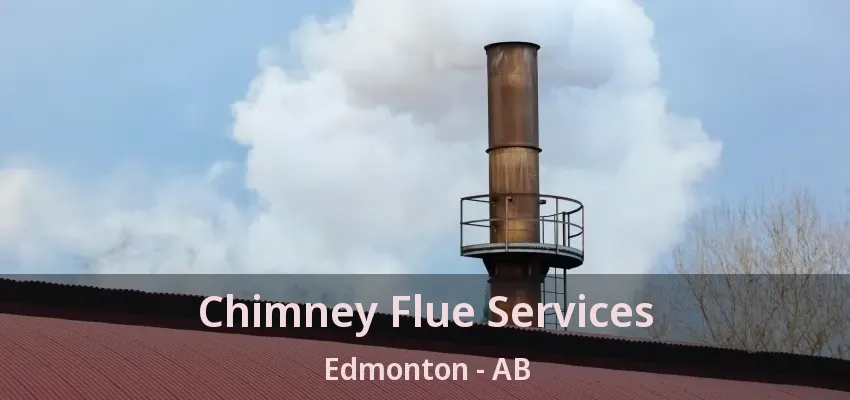
A flue should be sized to the appliance it serves, not to the chimney around it. Fireplaces need a flue large enough for their opening, while stoves, inserts and gas appliances usually specify a flue size in their installation instructions. A flue that is too large lets exhaust cool and slow down, which weakens draft and encourages creosote or condensation. One that is too small cannot carry all the exhaust and may let smoke spill into the room. People searching for “chimney flue services” after an appliance change should have the flue size checked against the new unit before it is used.
A chimney works by letting hot exhaust rise through a sealed channel, the flue, and leave the house above the roofline. Warm gases are lighter than the cooler air outside, so they rise, and that rising column pulls fresh air into the fire behind it. This pull is called draft. Height helps, because a taller flue creates a stronger pull and clears nearby roof surfaces. Size matters too: a flue that is too large for the appliance cools the gases and weakens draft, while one that is too small cannot carry all the exhaust. Anything that blocks or leaks along the path disrupts the balance.
As a rule, no. A fireplace or wood stove should have a flue of its own, because connecting a second appliance can upset the draft of both and let exhaust spill into the house. Some homes have a furnace and water heater joined into one flue through a purpose-designed connector, which is a separate case that a qualified technician should confirm. If you are unsure what is connected to each flue in your chimney, a chimney flue service visit can map it from the roof and the basement. Never add a new appliance to an existing flue without having it checked first.
An inspection should come first because it shows whether the planned work is the right work. A technician looks at the chimney from top to bottom, often with a camera inside the flue, and checks for hidden cracks, blockages, water damage and any mismatch between the flue and the appliance. Sometimes the inspection confirms the plan; sometimes it reveals that a leak comes from somewhere else or that a liner needs attention before anything cosmetic is done. Ask for photos or video and a short written summary so you can compare options with confidence.
A careful crew protects your home by covering the hearth and nearby floor, sealing the fireplace opening when soot or dust could escape and using vacuums with fine filters for any debris. Outside, tarps go over shrubs, decks and roof sections where tools or materials sit, and ladders are padded where they touch gutters or siding. Some jobs create very little mess, while others, such as removing old flue tiles, produce more. Ask what protection is planned for your job, and move valuables and furniture away from the fireplace before the crew arrives.
Many chimney jobs take a single day, while larger projects can run several days or more. Fitting a pot or cap, applying a water repellent or making a small flue repair is usually done in one visit. Relining a flue or installing a factory-built chimney often takes a full day, sometimes two. Remodeling, rebuilding or replacing large sections of masonry stretches longer, because mortar and concrete need curing time between steps. Weather can add days to any outdoor work. Ask for both the hours on site and the total span from start to finish.
Tell the company what the chimney is made of, what it serves and what you want done or have noticed. Mention the type of fireplace or appliance, how many stories the house has, how steep the roof is and whether the chimney is brick, stone or a framed chase. Share any history: past repairs, a chimney fire, recent roof work or a new appliance. A few photos of the chimney from the yard and of the fireplace help a lot. These details let the company bring the right parts and give you a realistic estimate.
Follow the crew’s instructions about when the fireplace or stove can be used again, since new mortar, coatings or liners may need time. In the weeks after, watch for any stains, drafts or smoke that seem new. Keep the area around the chimney top clear by trimming branches and cleaning nearby gutters. If you burn wood, use dry, seasoned firewood and have the flue swept regularly, which protects liners and tiles. Book a yearly inspection, and keep receipts and photos from the work so future technicians know what was done.
A good chimney quote lists the work item by item, the materials and sizes, how access will be handled, the expected timing and what happens if hidden damage is found. It should say whether clean-up, disposal, any permits needed and a follow-up visit are included. When comparing quotes, line them up side by side and check that each covers the same scope; a much lower price often means fewer items, thinner materials or a shortcut such as a coating instead of a repair. Ask each company to explain anything you do not understand before you sign.
Sometimes the right call is a small fix, sometimes a bigger job and sometimes nothing at all. We tell you which one applies to your chimney and why. Ask Chimney Sweep Edmonton for advice and decide in your own time.
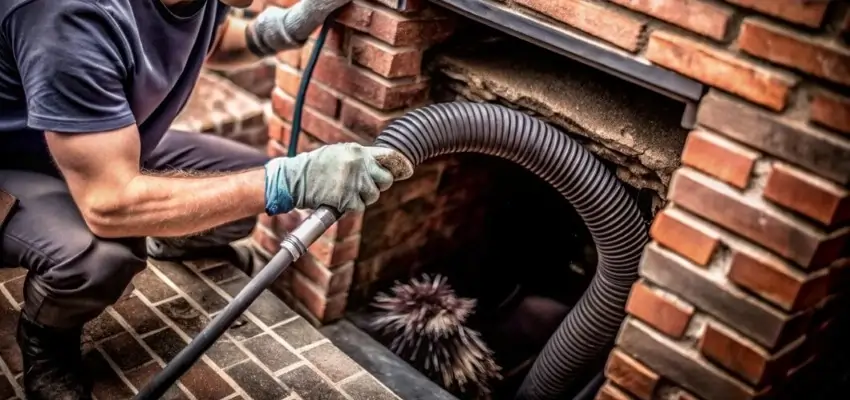
Less smoky smell, steadier flames: Chimney Cleaning around Edmonton
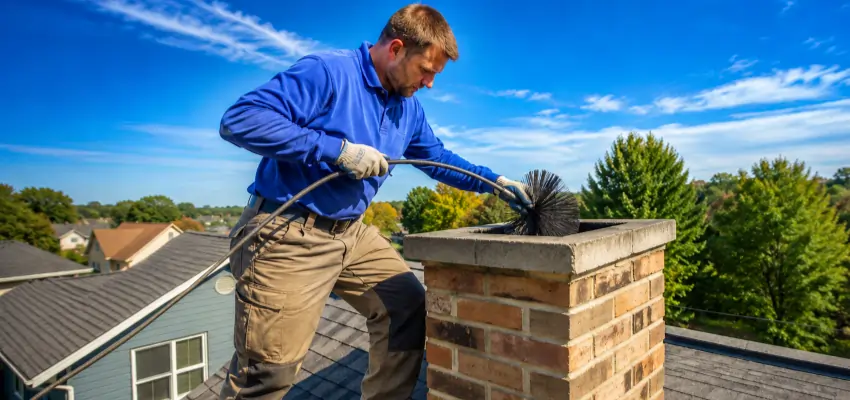
Creosote cleared, flue inspected: Chimney Sweep for Edmonton
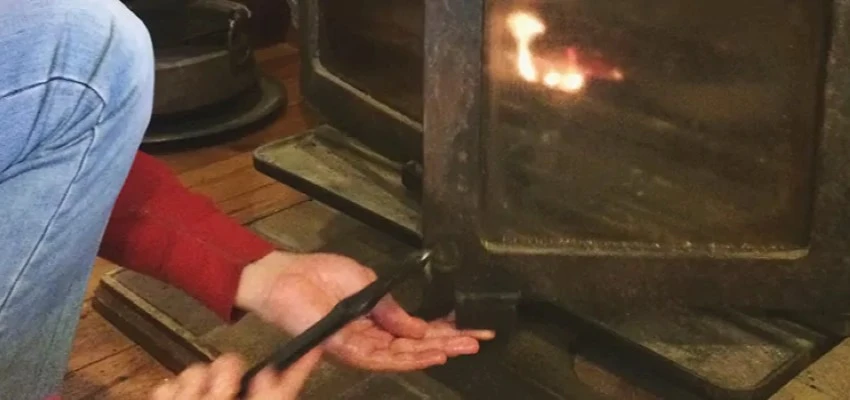
What's included in Chimney Sweep Services around Edmonton?
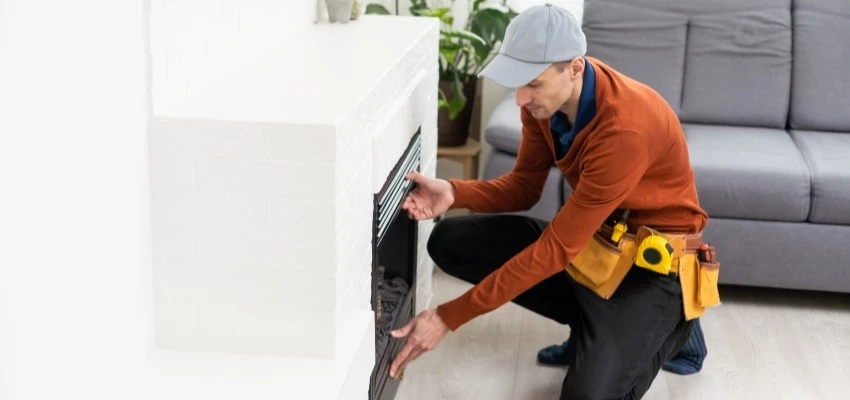
Before relighting in Edmonton, a visit from Fireplace Experts
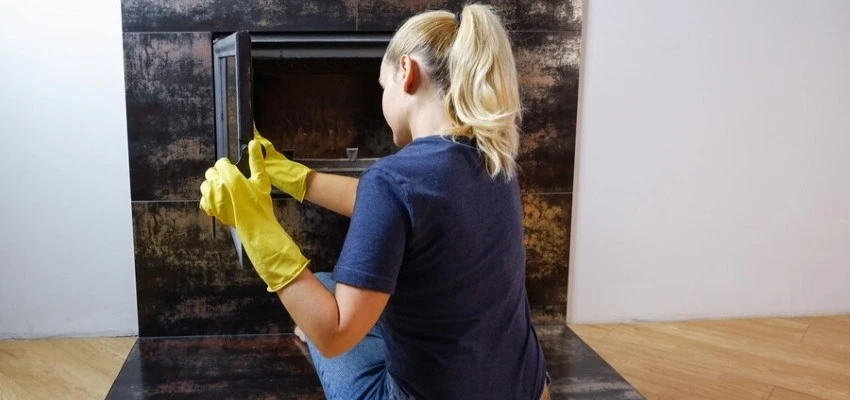
Gas Fireplace Cleaning, glass to burner ports
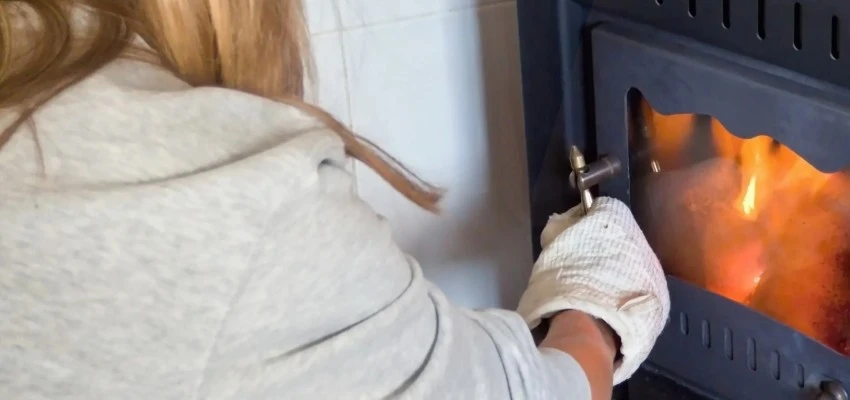
Burner ports, pilot hood, glass: Gas Fireplace Maintenance around Edmonton