Buying a home, getting ready to sell or simply planning the year’s upkeep can all bring the chimney into focus. An inspection report might mention it, or a neighbor might point out something odd on the roof. People in Edmonton who search for “chimney fan services” at moments like these want straight facts, and that is what this page offers: a calm, practical look at chimney fan service, what it involves and how to plan for it sensibly.
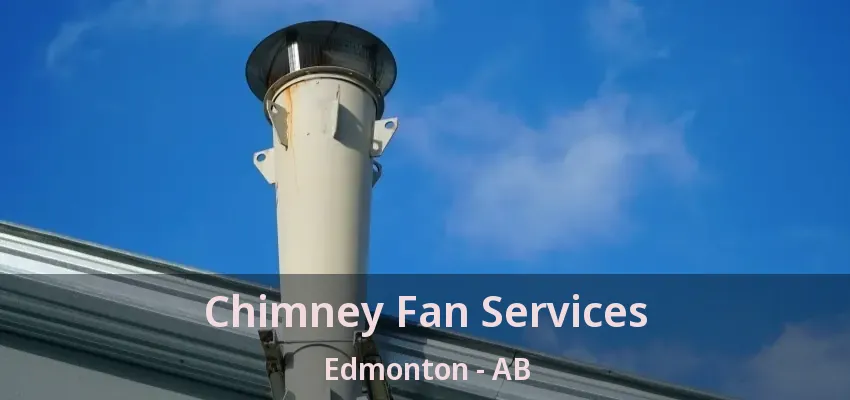
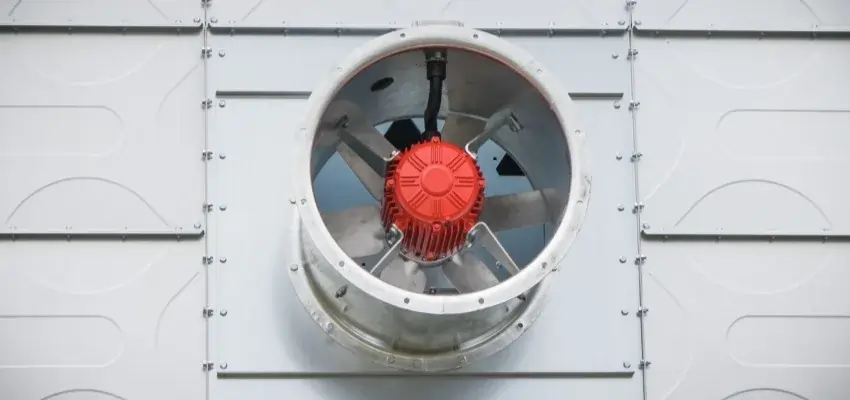
A chimney fan is an electric exhaust fan mounted on top of the chimney that pulls smoke and gases up the flue. It helps when natural draft is too weak, which can happen with short chimneys, chimneys sheltered by taller rooflines or trees, oversized fireplace openings and tightly sealed homes. You control it from a switch or speed dial indoors. It can solve many smoking fireplaces, but not all of them: a blocked flue, a closed damper or a crumbling liner has to be fixed first, because a fan only moves air through a path that is already clear and sound.
Many chimney fans are designed for wood-burning fireplaces and stoves, and some models are made for gas appliances, but the fan must suit both the appliance and the flue. Size, temperature limits and safety controls differ between models. Some installations include a switch that shuts the appliance down if the fan stops, which matters most with gas. The venting of any gas appliance should be reviewed by a qualified gas technician before a fan is added. When you ask about “chimney fan services”, describe exactly what burns in that chimney so the company can confirm the fan type before quoting.
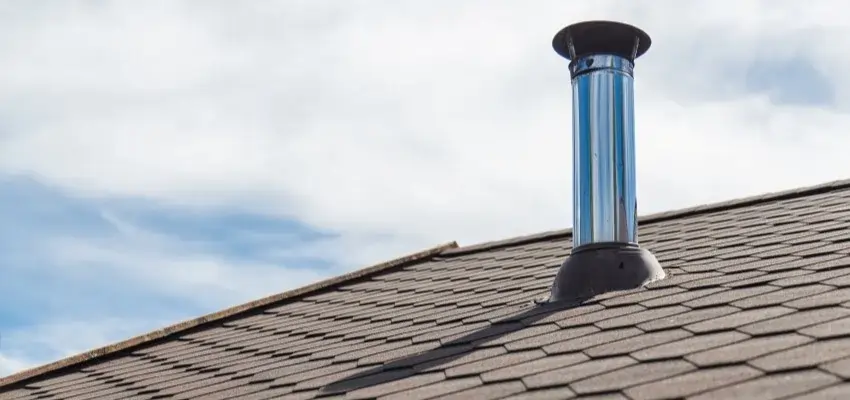
A chimney’s parts fall into three groups: the weatherproofing outside, the flue liner inside and the working parts at the bottom. Weatherproofing means the cap, the crown, the flashing and the face of the bricks and mortar. The liner is the channel that handles heat and corrosive exhaust. Down at hearth level are the pieces people actually touch, such as the damper handle, the firebox walls and the ash dump door. On a prefab system, a framed chase and its sheet metal top replace the brick. When we diagnose a problem, we trace it to one of these groups first, because that decides what the fix looks like.
A fireplace smokes into the house when the chimney is not drawing strongly enough to pull the exhaust up and out. Common causes include a closed or partly closed damper, a blocked flue or cap, a cold chimney that has not warmed up yet, a chimney that is too short for the fireplace, and a house under negative pressure because exhaust fans or a tightly sealed building compete for air. Try opening a nearby window slightly when you light the fire. If smoke still spills, stop using the fireplace, have the chimney and venting checked and make sure your carbon monoxide alarms work.
The most obvious sign is the return of the problem the fan was meant to solve: smoke drifting into the room or a stove that struggles to draw. Other clues include new noises such as grinding, squealing or rattling from the roof, a fan that starts slowly or not at all, vibration you can feel in the chimney and a speed control that seems to have no effect. If the fan sounds damaged, stop adding fuel and let the fire burn out before switching the fan off, since some chimneys cannot draw well without it. Keep carbon monoxide alarms working, open a nearby window if smoke spills and arrange chimney fan service; a fan wheel or motor can often be repaired or replaced without changing the whole unit.
A chimney repair visit normally starts with an inspection to confirm the problem and check for anything related. The technician protects the area around the fireplace and, for exterior work, sets up ladders or roof anchors. Then the damaged part is removed or prepared, whether that means grinding out mortar, cutting away old sealant, unbolting a cap or opening a damper assembly. New materials go in, and the work is checked for fit and weathertightness. At the end you should see the finished work or photos of it and hear about anything else that turned up along the way.
It depends on the part being repaired. Caps, crowns, flashing, upper masonry, chase covers, chimney fans and top-sealing dampers are reached from the roof or from ladders set against the chimney. Throat dampers, fireboxes, ash dumps, cleanout doors and many vent connections are handled from inside the house or at ground level. Roof work is planned around the weather, the pitch of the roof and safe ladder placement. Homeowners should not climb up to inspect or repair a chimney themselves; binoculars from the yard or the technician’s photos will tell you what you need to know.
We suggest once a year for most chimneys, with extra visits after anything unusual. A yearly look from the roof and up the flue shows us how earlier repairs are holding and whether anything new has appeared. Events that justify an extra check include a strong windstorm, hail, a lightning strike nearby, a roofer working around the chimney and any time an appliance is added or swapped. A chimney you never use is not exempt; some of the worst weather damage we find is on chimneys nobody has looked at in years, simply because no one noticed the warning signs inside.
Compare the scope first, because most differences we see between quotes come from what is included, not from skill. One company may plan to coat a cracked crown; another may rebuild it. One includes new flashing; another reseals the old metal. Before choosing, line the quotes up and ask each company the same three questions: what exactly is being fixed, what is causing the problem and what is the plan if more damage turns up. The answers usually explain the price gap. A quote that deals with the cause, not just the symptom, generally gives more value over time, even when it is not the lowest figure on the table.
The hardest part is often deciding to deal with it. Once you call (587) 206-3388, we take care of the scheduling, explain the visit and send a technician to your home in Edmonton. It is a straightforward way to get your chimney looked after.
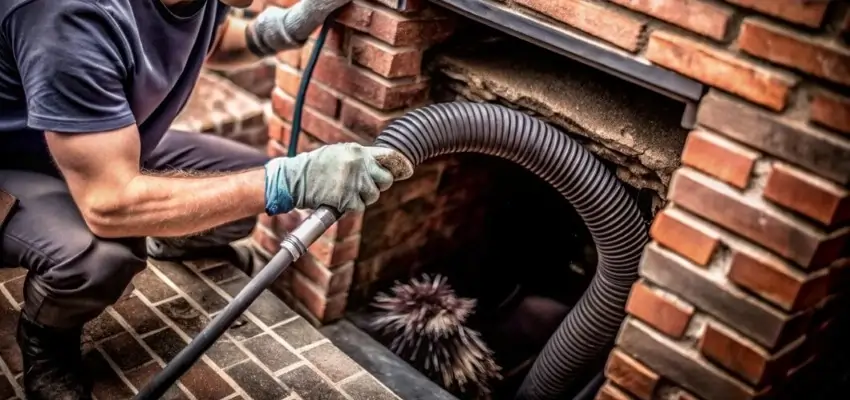
Less smoky smell, steadier flames: Chimney Cleaning around Edmonton
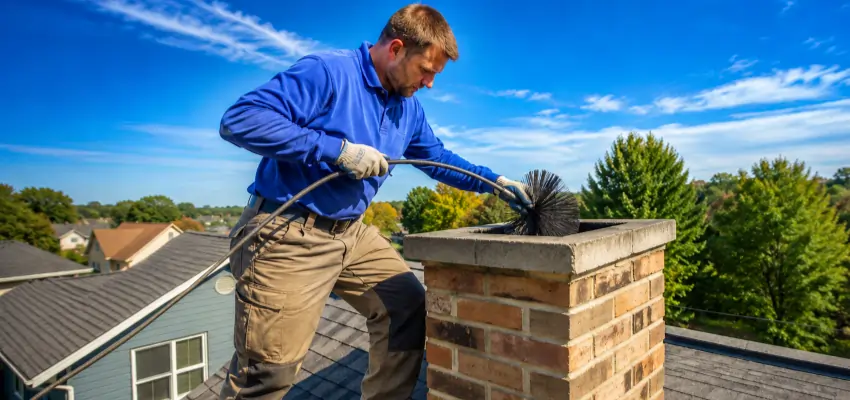
Creosote cleared, flue inspected: Chimney Sweep for Edmonton
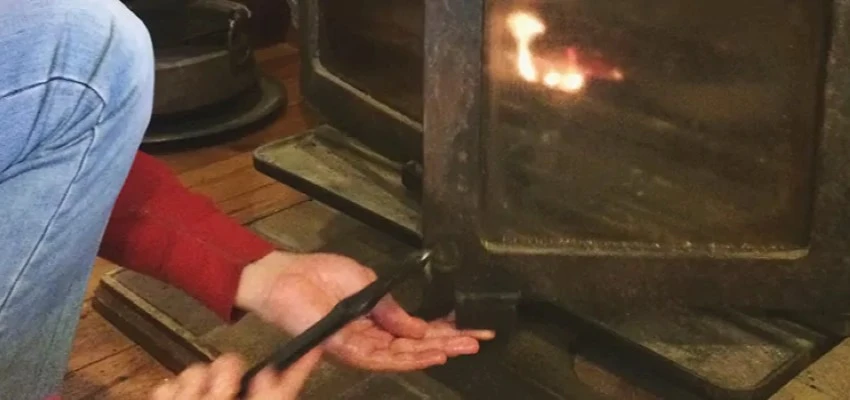
What's included in Chimney Sweep Services around Edmonton?
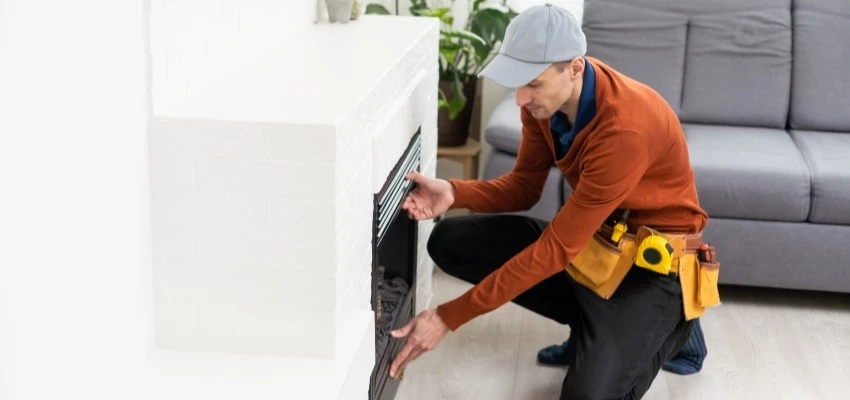
Before relighting in Edmonton, a visit from Fireplace Experts
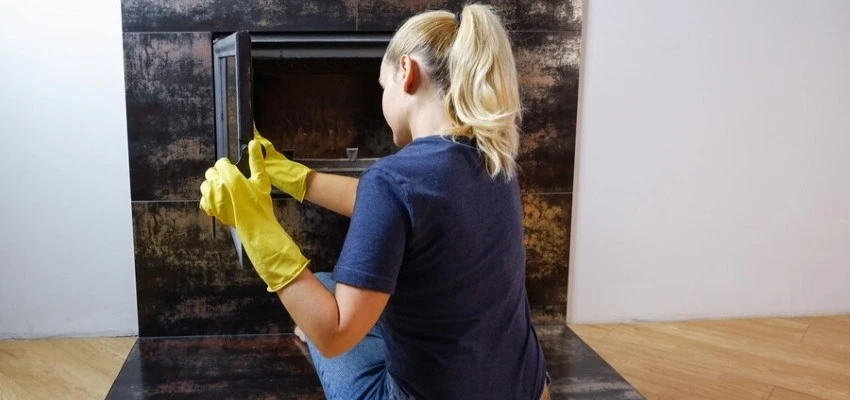
Gas Fireplace Cleaning, glass to burner ports
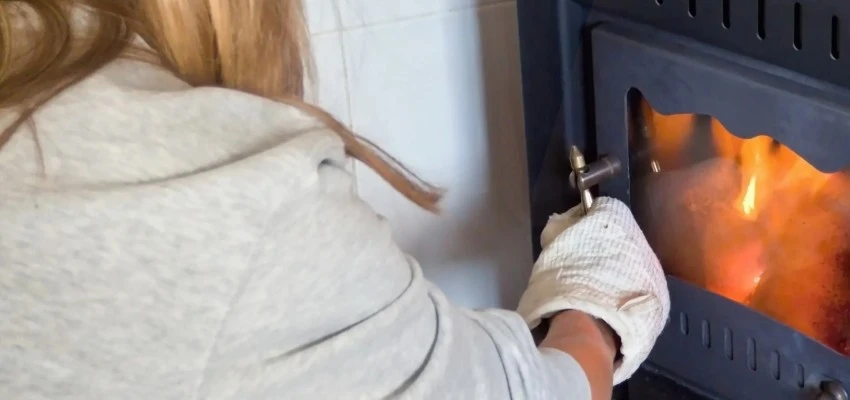
Burner ports, pilot hood, glass: Gas Fireplace Maintenance around Edmonton