Maybe you spotted a stain on the ceiling beside the fireplace, a few brick chips on the roof or a damper that will not budge. Small discoveries like these send many homeowners in Edmonton looking up “chimney crown services” to find out how serious the problem really is. The answers below explain how chimney crown repair works, what tends to cause the damage in the first place and which details matter when you talk to a company about fixing it.
It depends on the damage, so the safe default is to hold off until someone has looked at it. Cosmetic problems on the outside, such as a stained brick face, rarely affect how a fireplace works. Damage inside the flue, a cracked liner, a damper stuck shut or a blocked vent is different, because smoke and hot gases may not leave the house the way they should. If you notice smoke spilling into the room, a strong smell or soot where there was none before, stop using the fireplace. Keep working carbon monoxide alarms on every level of the home either way.
Use binoculars or a phone camera zoomed in from a safe spot in the yard or at a window. Look for cracks across the top surface, chunks missing from the edges, dark staining or white deposits on the top courses of brick and moss or plants growing on the crown. Pieces of concrete in the gutter or on the roof below the chimney are another clue. Inside, rust on the damper or water in the firebox can point to the crown as well. Homeowners who start searching for “chimney crown services” after spotting any of these should stay off the roof and let a technician confirm the damage.
Your chimney is most likely leaking at the crown, the flashing, the cap or through porous brick, though the stain rarely appears where the water gets in. Rain that slips past a cracked crown may travel down inside the masonry and show up at the firebox. Flashing leaks tend to stain the ceiling or the attic framing next to the chimney. An uncapped flue lets rain fall straight onto the damper, where it causes rust and a damp smell. Porous brick can wick moisture through the whole stack during long storms. We often test one area at a time with a hose, starting low and working up, so the repair targets the real entry point rather than a guess.
The choice between sealing and rebuilding comes down to how much sound material is left. Many crowns we see were made from ordinary mortar troweled flat across the top course, which cracks within a few seasons. If the slab is still solid and the cracks are fine, a brushed-on elastomeric coating can add several more years of life. If chunks lift out by hand or water is already soaking the bricks below, we break it off and form a new crown, poured or cast with a proper slope and a drip edge on every side. A cap is often fitted at the same visit.
We run repairs in a set order: confirm, protect, fix, test, explain. Confirming means checking the chimney ourselves rather than relying only on the phone description, because the cause of a leak or a stuck part is not always where it seems. Protecting covers drop cloths inside and care around shrubs and shingles outside. The repair itself depends on the part involved. Testing might mean running water over new flashing, cycling a damper several times or checking draft with a little smoke. We finish by walking you through what we did and showing photos of areas you cannot see from the ground.
Small chimney repairs, such as replacing a cap, sealing a crown or freeing a damper, often take a few hours. Mid-sized jobs like new flashing, a new chase cover or a fan installation usually fit into a day. Larger masonry work, including repointing an entire stack or rebuilding the section above the roof, can take several days, because mortar and concrete need time to set between stages. Weather adds to the schedule for anything done outside, since rain and cold delay masonry. Ask for an estimate of both working time and total calendar time before the job is booked.
Mention what the chimney is made of, what it serves and what you have noticed, because a few details on the phone save a lot of time on the roof. We ask which appliances use the flue, how many stories the house has and how steep the roof is. We ask what you have seen: a stain, debris in the firebox, a stuck handle, a rattling cap, smoke in the room. We ask when it started and whether a roofer or another contractor worked nearby recently. Two quick phone snapshots, one of the chimney top from the yard and one of the problem area inside, often tell us which parts and ladders to bring on the first trip.
Most chimney repairs are not do-it-yourself jobs, mainly because they involve working at height on a roof or inside the flue, where mistakes affect safety. What homeowners can do safely is watch and report: look at the chimney from the ground with binoculars, check the attic and walls near the chimney for stains after rain, keep the hearth area clear and open and close the damper now and then to make sure it moves freely. Leave masonry, flashing, caps, liners, fans and anything connected to a gas appliance to a professional. Patching with roofing tar usually hides a problem rather than fixing it.
Many companies apply a flexible crown coating after repairs, and it is often a good idea. The coating bridges very small cracks as the crown expands and contracts with temperature changes, and it slows water absorption into the concrete. New crowns may need to cure before a coating goes on, so follow the timing your contractor gives. Coatings wear over time, so a quick check during the yearly inspection tells you when a fresh layer is due. Sealing does not fix a crown that is badly shaped or broken, which is why good chimney crown repair starts with the slab itself.
A storm, a heat wave or a long cold snap is a good moment to make sure everything at home still works the way it should. If anything about your chimney has changed since the weather turned, a quick check is a sensible next step. Arrange a visit in Edmonton with Chimney Sweep Edmonton.
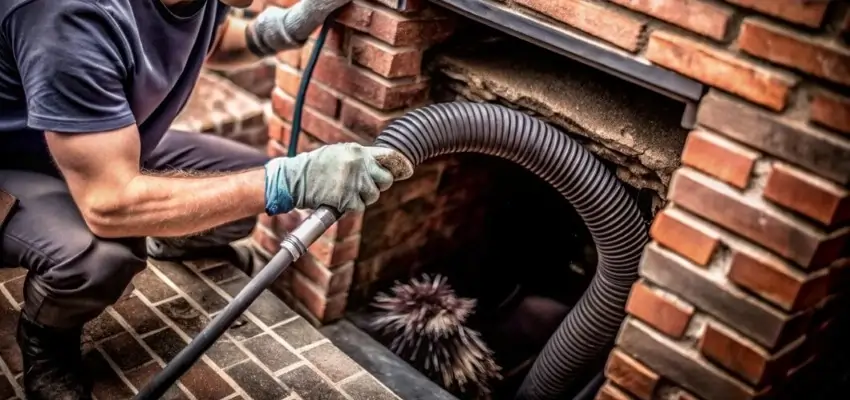
Less smoky smell, steadier flames: Chimney Cleaning around Edmonton
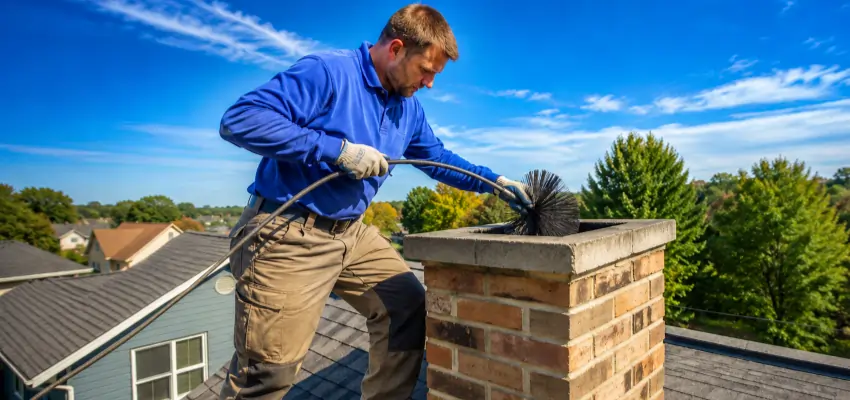
Creosote cleared, flue inspected: Chimney Sweep for Edmonton
What's included in Chimney Sweep Services around Edmonton?
Before relighting in Edmonton, a visit from Fireplace Experts
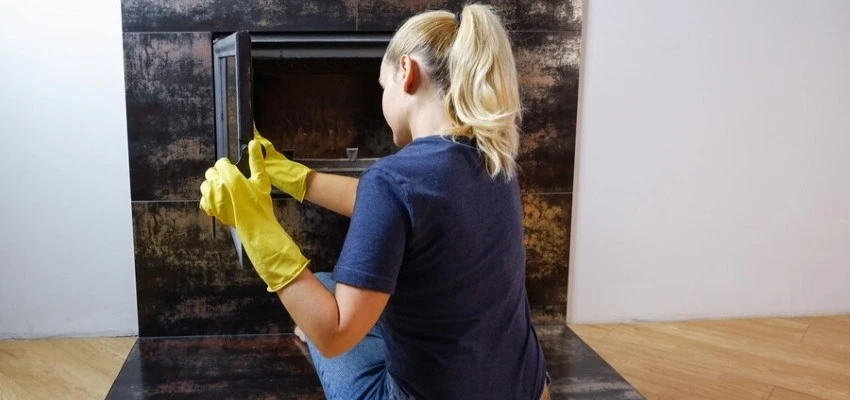
Gas Fireplace Cleaning, glass to burner ports
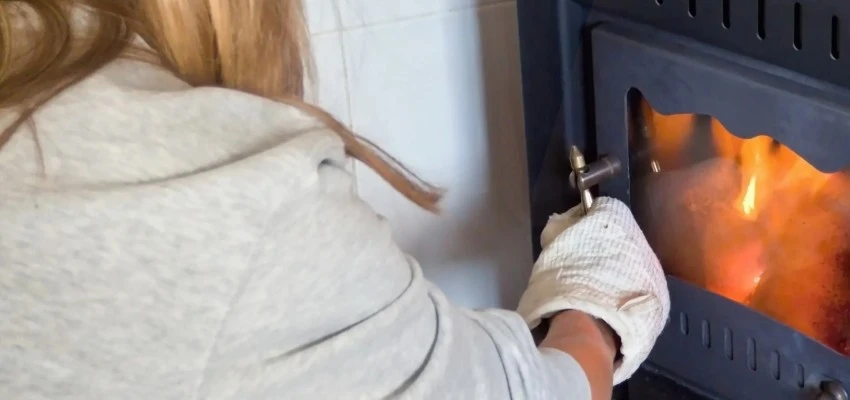
Burner ports, pilot hood, glass: Gas Fireplace Maintenance around Edmonton