Older brick chimneys and newer factory-built ones wear out in different ways, yet the questions owners ask about them are surprisingly alike. How bad is it? Can it be fixed instead of replaced? Is the fireplace safe to use in the meantime? This page answers those questions for people in Edmonton researching “chimney chase services”, with plain detail on chimney chase repair and the factors that change the plan from one house to the next.
Repairs matter because chimneys tend to fail slowly at first and then expensively. We regularly open up a chimney where a minor issue, such as a missing cap or one cracked mortar joint, was left alone for a few seasons. By then, water has soaked the bricks, rusted the damper or softened the wood framing beside the stack. Work at that stage takes longer and uses far more material. Catching the same fault early usually means a short visit and a modest bill. There is a safety side too, because a damaged flue or liner can let heat and smoke escape where nobody expects them.
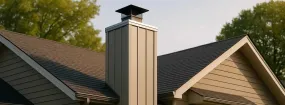
Rot inside a chimney chase almost always starts with water from above. A flat or rusted chase cover lets rain collect and drip down the inside walls, a cracked storm collar lets it run along the flue and gaps in siding or trim near the top let wind-driven rain in from the sides. Once the framing stays damp, wood softens and siding begins to bulge or stain. Leaks around the roof line can add to it. Anyone looking up “chimney chase services” after spotting swollen trim or dark streaks should have the top of the chase opened and probed, since rot is often worse inside than it appears.
Stains, debris and stiff moving parts inside the house are usually the first signs, long before anything looks wrong from the yard. A water mark on the ceiling beside the chimney, a musty smell when it rains, flakes of tile or mortar in the firebox and a damper that has gone stiff all point to something above. Outside, white chalky deposits on brick tell us water is moving through the masonry, and dark streaks below the cap or chase cover suggest rust. Smoke that hangs at the fireplace opening points to a draft problem. We trace each clue back to its source before suggesting any repair.
Often, yes. If the framing is still solid, damaged siding panels, trim boards and corner pieces can be replaced on their own, matched as closely as possible to the rest of the house. The key is fixing whatever let water in, usually the cover or collar at the top, and then checking the sheathing behind the damaged area. Where framing members have rotted through, those sections are rebuilt before new siding goes on. Heat shields and clearances around the factory-built flue must stay as the manufacturer intended. A good chimney chase repair plan describes each layer being replaced, not just the visible finish.
It depends on the part being repaired. Caps, crowns, flashing, upper masonry, chase covers, chimney fans and top-sealing dampers are reached from the roof or from ladders set against the chimney. Throat dampers, fireboxes, ash dumps, cleanout doors and many vent connections are handled from inside the house or at ground level. Roof work is planned around the weather, the pitch of the roof and safe ladder placement. Homeowners should not climb up to inspect or repair a chimney themselves; binoculars from the yard or the technician’s photos will tell you what you need to know.
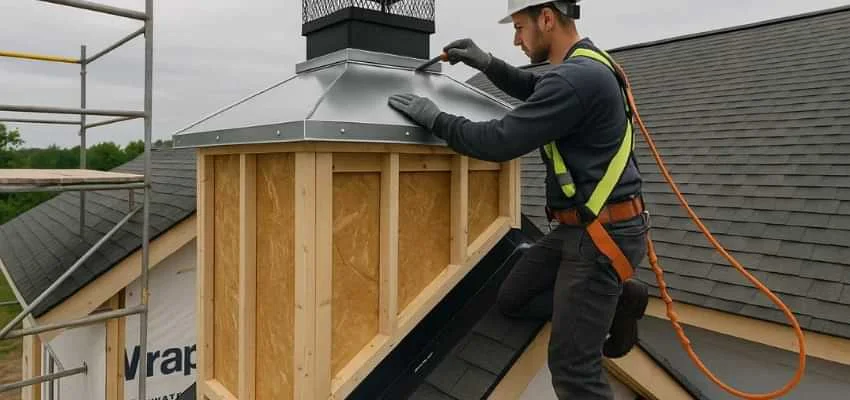
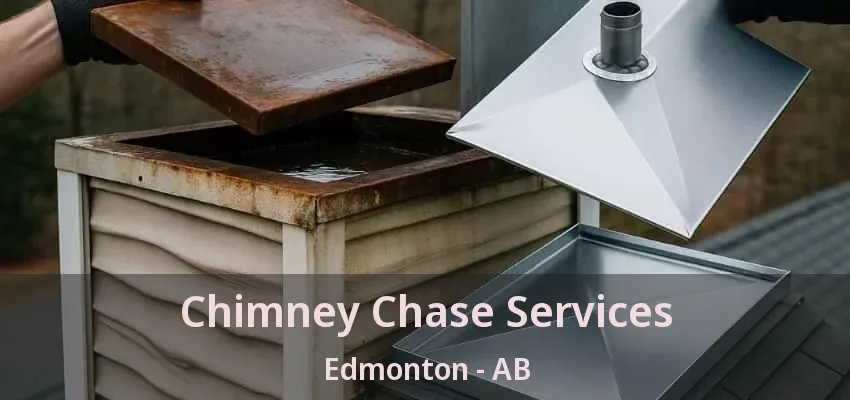
A chimney chase cover should be replaced when it is rusting, sagging, holding water or leaking around the flue opening. Many original covers are thin galvanized steel and flat, so water pools on top, rusts the metal and eventually drips into the chase, leaving rust streaks on the siding below. A replacement is custom-sized to the top of the chase, usually in stainless steel or another durable metal, with a raised center or cross-break so water runs off and a drip edge that carries it past the siding. A storm collar and a cap finish the flue opening.
A common guideline is to have a chimney inspected once a year, and many homeowners schedule it before the colder months when the fireplace sees more use. Yearly checks catch small problems such as a loosening cap, a new crack in the crown or a worn mortar joint before they let water in. It also makes sense to have the chimney looked at after a major storm, a chimney fire, a roof replacement or any change of insert, stove or appliance. Chimneys that are rarely used still need checking, because weather damages them whether or not you light fires.
Most chimney repairs are not do-it-yourself jobs, mainly because they involve working at height on a roof or inside the flue, where mistakes affect safety. What homeowners can do safely is watch and report: look at the chimney from the ground with binoculars, check the attic and walls near the chimney for stains after rain, keep the hearth area clear and open and close the damper now and then to make sure it moves freely. Leave masonry, flashing, caps, liners, fans and anything connected to a gas appliance to a professional. Patching with roofing tar usually hides a problem rather than fixing it.
Pick the company that gives you specifics. One that knows chimneys asks what yours is made of and what burns in it before giving a figure, and it talks about the cause of a problem rather than just the symptom. On site, it should take photos from the roof and inside the flue, lay out the options and let you decide without pressure. Tidy work matters, since soot and mortar dust travel. Ask how follow-up questions are handled once the job is done, and whether the same crew will come back if something needs a second look.
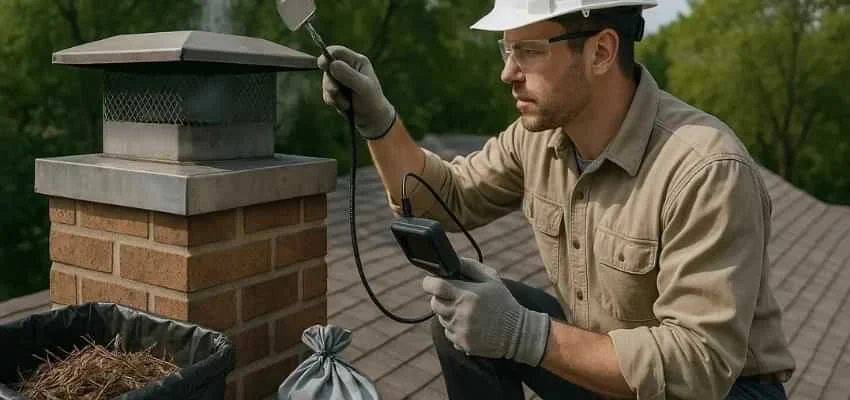
The quote form takes a minute or two. Add your address in Edmonton, a line about what you need and how you would like us to reach you. Fill in the form and we will get back to you with a price and the next available times for chimney chase repair.
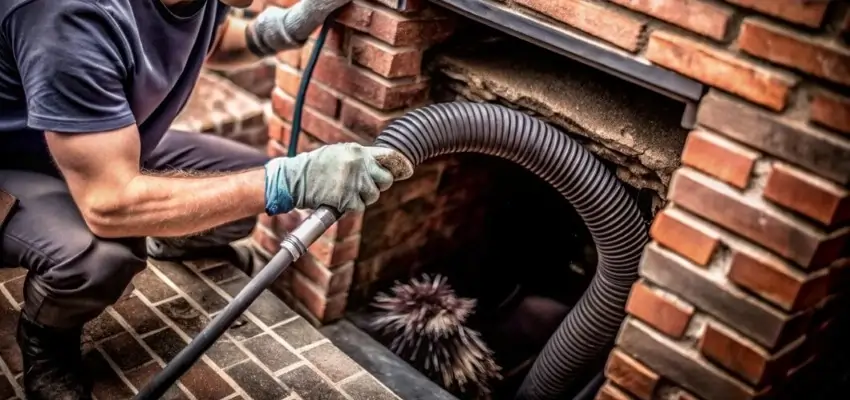
Less smoky smell, steadier flames: Chimney Cleaning around Edmonton
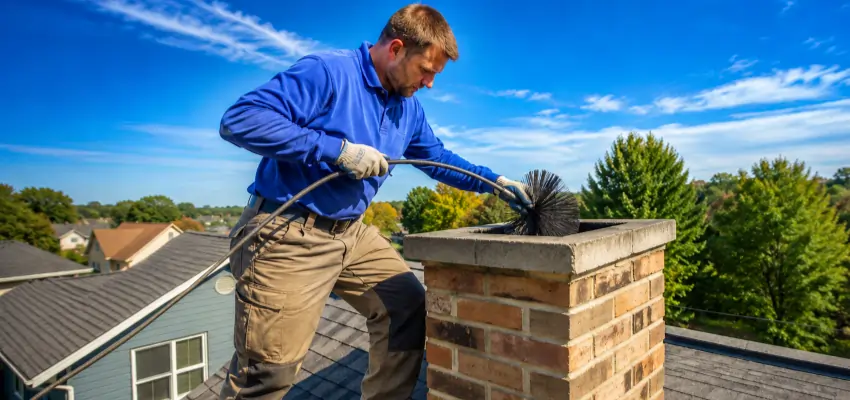
Creosote cleared, flue inspected: Chimney Sweep for Edmonton
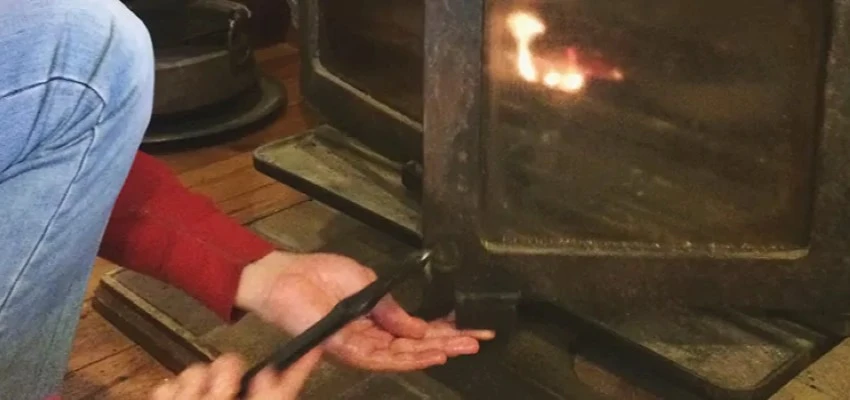
What's included in Chimney Sweep Services around Edmonton?
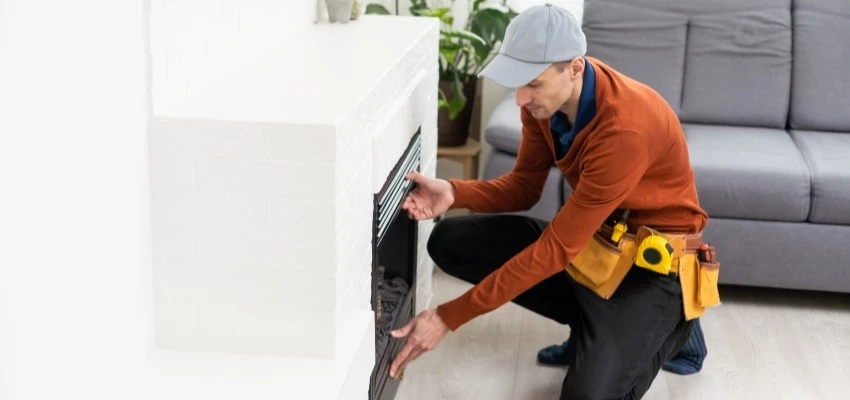
Before relighting in Edmonton, a visit from Fireplace Experts
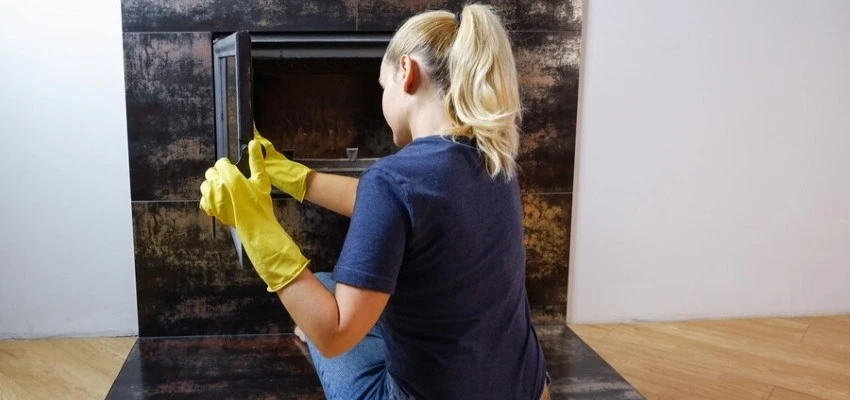
Gas Fireplace Cleaning, glass to burner ports
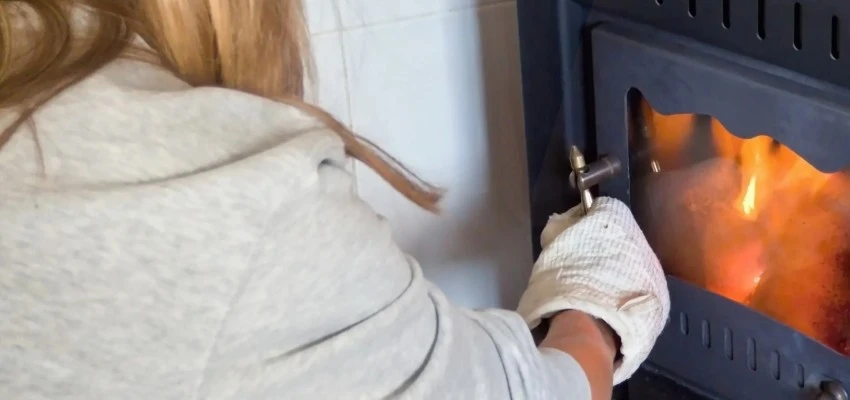
Burner ports, pilot hood, glass: Gas Fireplace Maintenance around Edmonton