A chimney does its work out of sight, carrying smoke and combustion gases up and away while most of its inner surfaces stay hidden behind brick, metal or drywall. That is why so many questions come up once someone starts looking into “chimney blockage removal”. Below, you will find direct answers about chimney blockage clearing for properties in Edmonton, written by people who spend their days on roofs and at hearths. There is no jargon here and no pressure, just the practical side of the job.
Creosote is condensed wood smoke, and its flammability is the main reason chimney sweeping exists. Smoke carries unburned particles and vapor, and when it meets a cooler surface those compounds stick. We find the heaviest deposits where gases slow down or lose heat quickly: the smoke chamber just above the damper, the bends in a stovepipe and the upper section of chimneys built on an exterior wall. That residue is fuel sitting inside a passage built to carry fire, so a spark or an overloaded firebox can ignite it. That is why we gauge its thickness on every visit and explain what it means for you.
Soot and creosote are different deposits: soot is a dry, powdery carbon dust, while creosote is a tarry residue from wood smoke that can be flaky, sticky or glassy. Soot comes from incomplete burning and can be left by wood, oil or a gas appliance that is not running cleanly. It is lighter and brushes away easily, but it still narrows the flue and can hold moisture and odors. Creosote is the bigger fire concern because of its oily base. Seen from the firebox, soot looks like fine black powder, while creosote looks crusty, shiny or tar-like. A technician adjusts the cleaning to match.
Signs of a chimney fire include a loud roaring or popping sound, dense smoke, a strong hot smell and sparks or flames from the top of the chimney, but many chimney fires burn quietly and are only discovered later. Afterward you might notice puffy, honeycomb-like flakes of creosote on the roof or ground, a warped damper or cap, cracked flue tiles or discolored metal. If you think a fire is happening, get everyone outside and call the fire department. If you suspect one happened in the past, stop using the fireplace or stove until the chimney has been inspected.
Smoke comes back into the room when the chimney cannot pull it upward fast enough, and the usual causes are a cold flue, a partly closed damper or a house that is short of air. Make sure the damper is fully open and start with a small, hot kindling fire so the flue warms gradually. Kitchen and bathroom fans can draw air down the chimney, so switch them off and open a nearby window slightly. Wet wood produces heavy smoke too. If smoke still spills in after those changes, a blockage or a problem with the chimney itself needs a professional look.
On our visits the flue, smoke chamber, damper and firebox all get cleaned, working along the path of the smoke from the hearth up to the cap. We protect the floor and nearby furniture, seal the opening around our vacuum hose so dust stays contained, then work the flue with rods and a brush matched to the liner: stiff wire for clay tile, softer poly for stainless steel. The smoke chamber above the damper gets hand tools, because creosote clings to its sloped walls. Before and after, we look at the flue condition, often with a camera. At Chimney Sweep Edmonton, the visit ends with a short walkthrough of what came out, how heavy it was and anything we would keep an eye on.
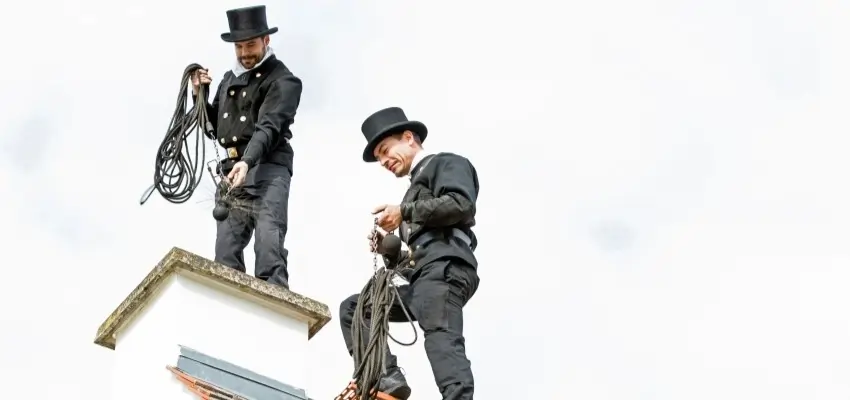
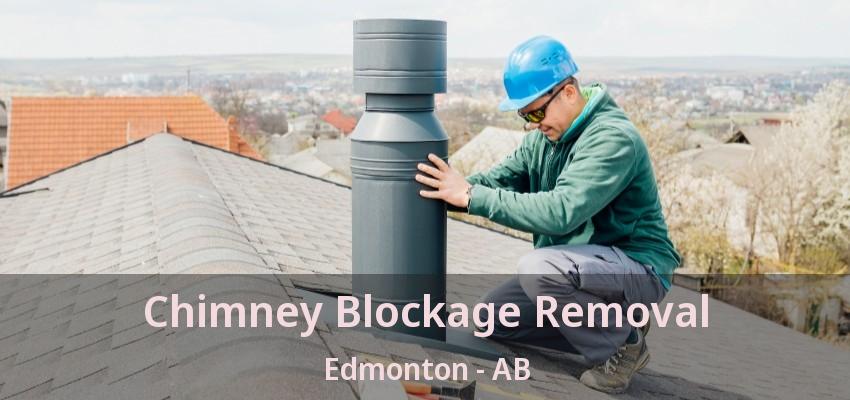
Often it is, but not always. Leaves, loose debris and an empty nest can usually be removed in a single trip, with a sweep and camera check at the end. A blockage made of collapsed flue tiles or bricks is a sign of damage, so the debris comes out on the first visit and the repair is quoted separately. Thick, glazed creosote may need more than one session to break up safely. A company handling your “chimney blockage removal” request should tell you after the first look which of these situations you are dealing with and what the next steps are.
Leave the fireplace or stove unused until the chimney is cleared, because even a partly blocked flue cannot carry away all the smoke and carbon monoxide a fire produces. Some smoke may still rise, which makes a partial blockage easy to underestimate. Close the damper and any glass doors, and if a furnace or water heater shares the chimney, mention it right away when you call. Keep CO alarms working on every level. If anyone in the household needs extra heat in the meantime, use a safe alternative rather than the blocked appliance.
Some owners do sweep their own chimneys, but we see enough DIY mishaps to suggest leaving the flue to a professional. Wire brushes can scratch stainless steel liners, and rods pushed from below without a vacuum spread soot through the room. Falls from roofs are a real risk. Sweeping logs can make loose creosote flakier so it drops more easily, which helps between visits, yet the debris still has to come out and the flue still needs a look. The parts we encourage owners to handle are good burning habits and visual checks; cleaning and inspecting are where trained eyes and proper tools pay off.
A cleared flue shows itself in a few simple ways. The technician should be able to show you an open flue on camera from bottom to top, or at least a clear view of daylight from below on a straight chimney. When the fireplace or stove is next used, the fire should catch quickly and smoke should rise without drifting into the room. Any appliance sharing the chimney should run normally with CO alarms staying quiet. If smoke, odor or weak draft returns after chimney blockage clearing, ask for a second look, since part of the obstruction may have settled higher up.
When we know what to expect, we can usually plan everything for a single appointment. Share a few details about your home and your chimney ahead of time. Plan chimney blockage clearing with Chimney Sweep Edmonton and keep the disruption small.
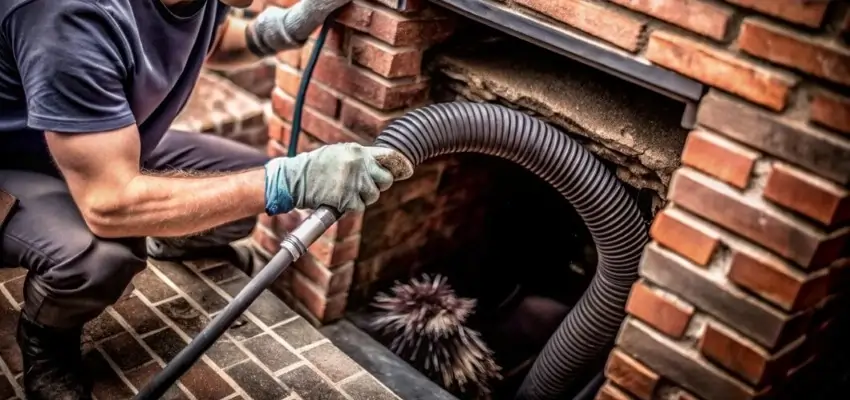
Less smoky smell, steadier flames: Chimney Cleaning around Edmonton
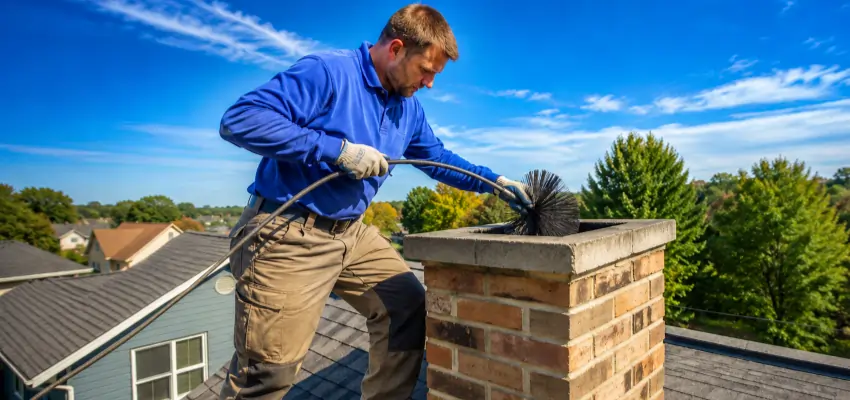
Creosote cleared, flue inspected: Chimney Sweep for Edmonton
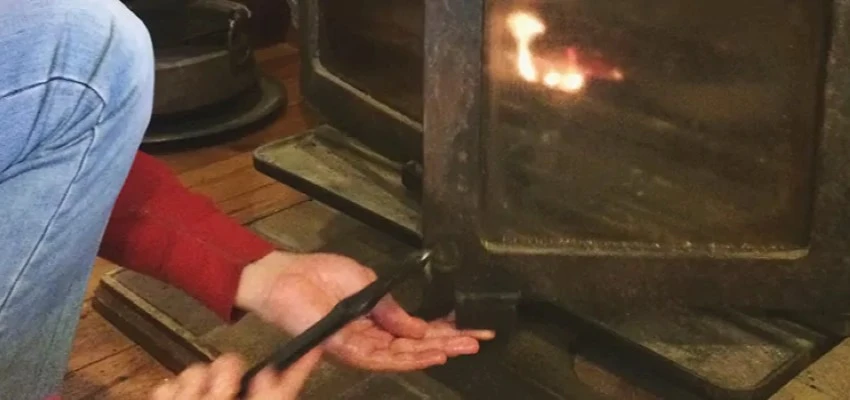
What's included in Chimney Sweep Services around Edmonton?
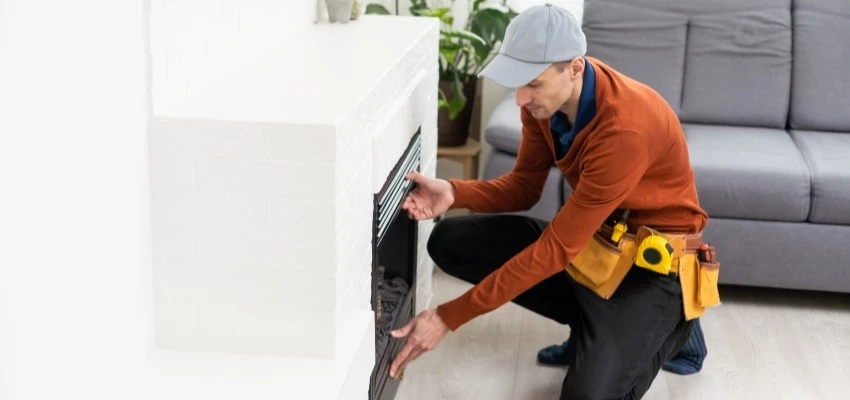
Before relighting in Edmonton, a visit from Fireplace Experts
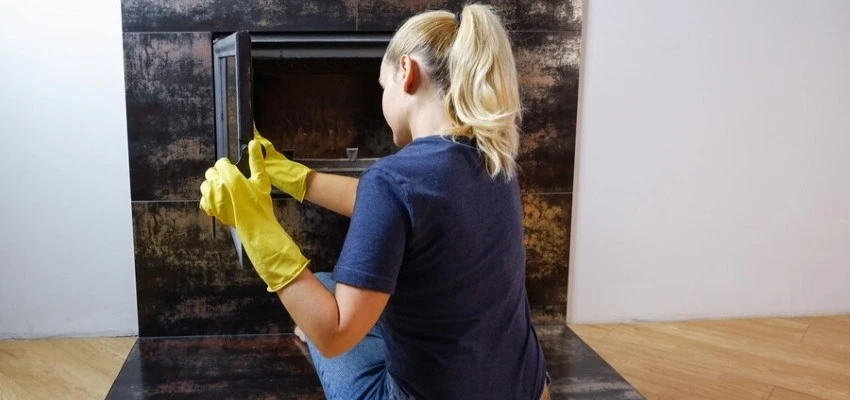
Gas Fireplace Cleaning, glass to burner ports
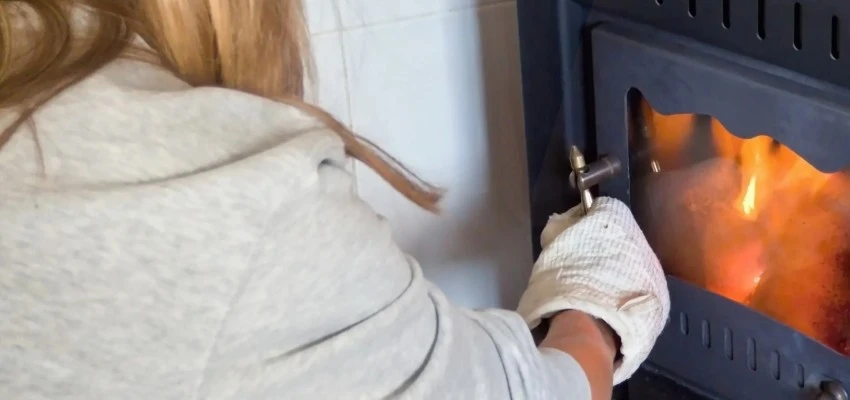
Burner ports, pilot hood, glass: Gas Fireplace Maintenance around Edmonton