Maybe you just took over a property with a fireplace nobody explained to you. Maybe you have run the same stove for many winters and never thought much about the flue above it. Either way, looking up “chimney animal removal” means you are already asking the right questions. This page gathers what people in Edmonton usually want to know about chimney wildlife removal, explained the way a technician would at your hearth.
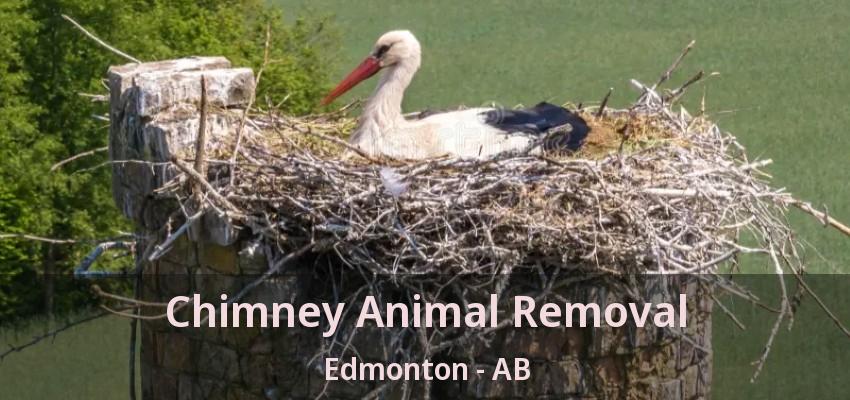
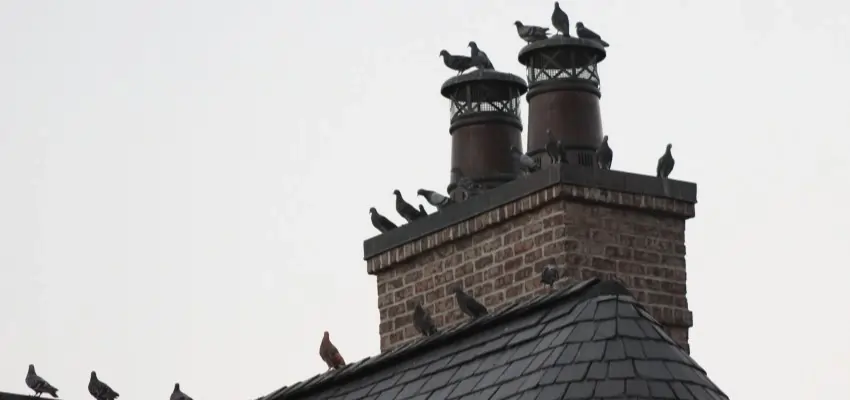
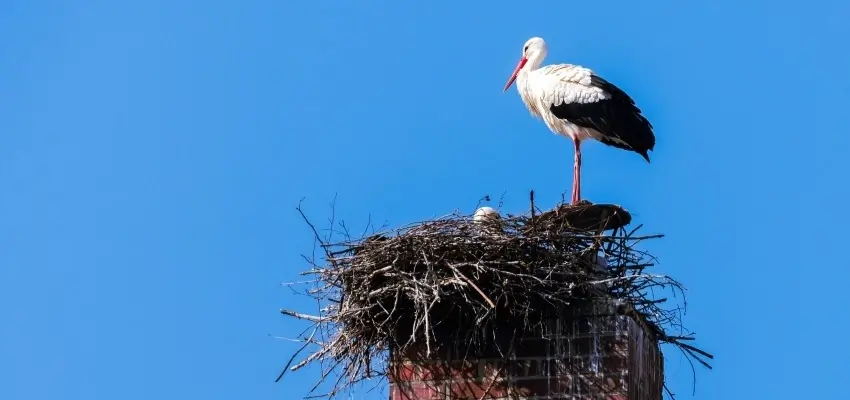
Birds, squirrels and raccoons account for most chimney visitors, with bats and the occasional opossum showing up now and then. Birds treat an open flue like a hollow tree and build nests on ledges or the smoke shelf. Squirrels often fall in while exploring the roof and cannot climb back up a smooth liner. Raccoons are strong climbers and pick chimneys as dry, quiet dens for raising their young. Each animal needs a different approach, which is why companies that handle “chimney animal removal” usually ask what you hear, when you hear it and where the sound seems to come from.
A chimney needs sweeping because every fire leaves deposits inside the flue, and if they are never removed they turn into a fire hazard and an obstruction. The main culprit is creosote, a tarry residue from wood smoke that burns hot and fast once it ignites. Buildup also narrows the passage, so smoke drifts back into the room and fires get harder to start. A swept flue drafts better, smells less and gives whoever cleans it a clear view of the liner, damper and cap, which is often how cracks, rust and loose parts are caught while they are still small.
Creosote is the residue that forms when wood smoke cools on its way up the chimney and its tars, gases and moisture condense on the flue walls, and it is dangerous because it burns easily and very hot. A thick layer can catch from a stray spark or an unusually hot fire, and the resulting chimney fire can crack liners and push heat toward nearby framing. Creosote builds faster with damp wood, smoldering fires and chimneys on cold outside walls. It may look like black flakes, a sticky tar or a hard, shiny glaze. If you see any of these on the damper or around the firebox, book a sweep.
The most common sign is sound from the chimney: scratching, scurrying, chirping or a soft fluttering, often at the same times each day. Birds tend to be loudest when their young are hungry, raccoons move around mostly at night and squirrels are busiest during daylight. You may also find twigs, leaves or droppings in the firebox, notice an unpleasant smell or spot an animal on the roof near the opening. Keep the damper and any fireplace doors closed so nothing can get into the room, avoid lighting a fire and call a company that handles chimney animal problems humanely.
Animals are removed humanely by giving them a safe way out rather than forcing them, and by keeping mothers and their young together. Depending on the animal, that may mean waiting until young birds have left the nest, fitting a one-way exit at the top so a squirrel or raccoon can leave but not return, or carefully lifting out a trapped animal and releasing it outdoors. Never light a fire or burn anything to drive an animal out, since it can trap the animal, ignite the nest and fill the house with smoke. Once the chimney is empty, the nesting material is cleared and a cap goes on.
We tell most owners to plan on a yearly visit and let the findings set the sweeping schedule. If we pull out a heavy load after one season, the chimney should be checked sooner next time; if the flue is lightly coated, stretching the interval is reasonable. Fuel and habits matter more than the calendar. Dry hardwood burned hot leaves far less behind than damp wood or a stove turned down overnight, and inserts and stoves often need attention more often than open fireplaces. Keeping a note of each visit and what came out makes the right rhythm for your chimney easy to see.
Until help arrives, keep the damper and fireplace doors shut, keep children and pets away and leave the animal alone. Opening the damper can let a frightened bird, bat or squirrel into the house. Do not light a fire, pour water down the flue or try to grab the animal. If a bird or squirrel gets inside, close the interior doors, open a window or exterior door in that room and let it find its way out. If it is a bat and anyone may have touched it or was asleep in that room, keep the room closed and ask your local public health office for advice before letting it go. Tell the company you call what you have heard and when.
Spring is nesting season, so many animals start looking for safe, sheltered spots just as fireplaces go quiet. Raccoon mothers search for dens before giving birth, birds return and begin building, and squirrels raise their first litters. An uncapped chimney that has sat unused for a few weeks looks ideal to all of them. That timing makes late winter a smart moment to check that your cap is intact and fastened. If you already hear activity, booking chimney wildlife removal early in the season gives you more options than holding off until the young are larger and louder.
A sturdy chimney cap with mesh sides is the surest way to keep animals out, combined with a damper that stays closed whenever the fireplace or stove is not in use. The cap should fit the flue snugly and be firmly fastened, because raccoons can pry off loose covers. Have branches that overhang the roof trimmed back, since they give squirrels and raccoons an easy route to the chimney. Look at the cap from the ground after strong winds. If an animal has already been inside, have the nesting material and droppings cleaned out before the next fire, and ask whether any gaps around the crown need sealing.
A good visit looks at the whole system around your chimney, not just the part you asked about. That is how Chimney Sweep Edmonton approaches every home in Edmonton. Book chimney wildlife removal and get a complete, honest overview of where things stand.
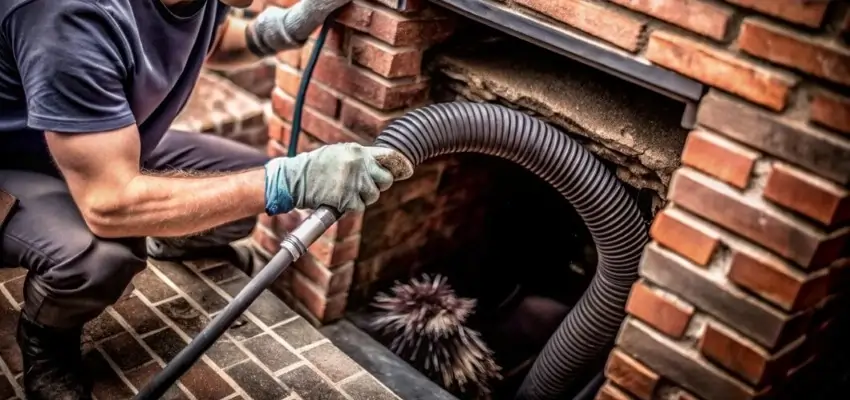
Less smoky smell, steadier flames: Chimney Cleaning around Edmonton
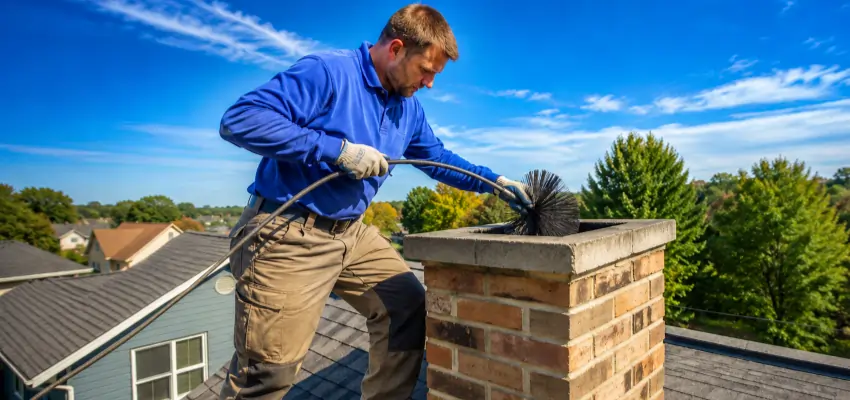
Creosote cleared, flue inspected: Chimney Sweep for Edmonton
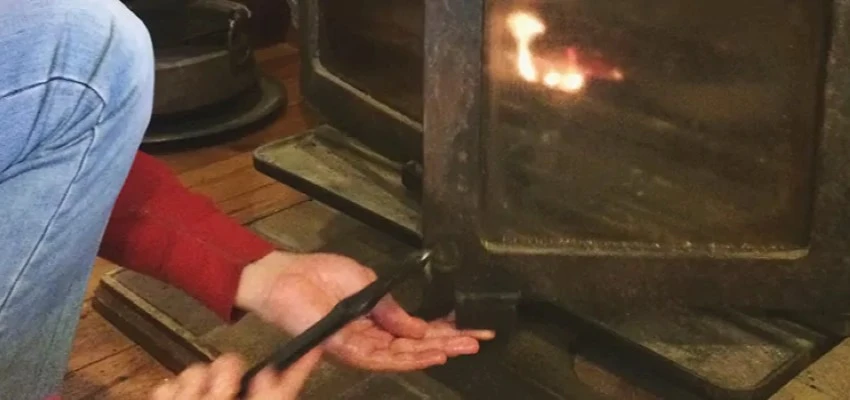
What's included in Chimney Sweep Services around Edmonton?
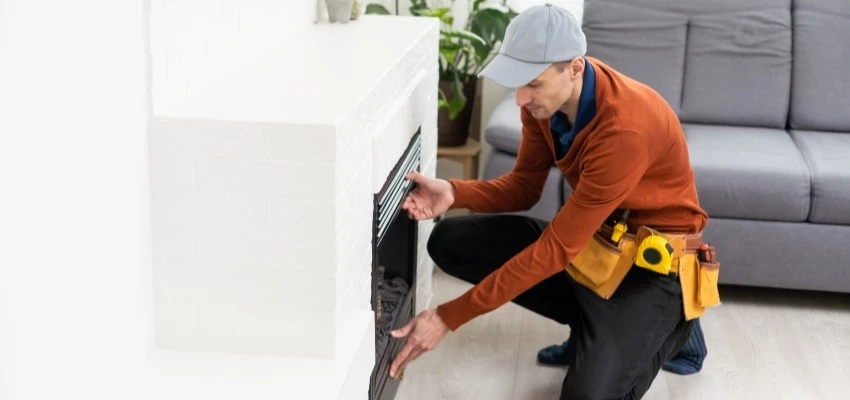
Before relighting in Edmonton, a visit from Fireplace Experts
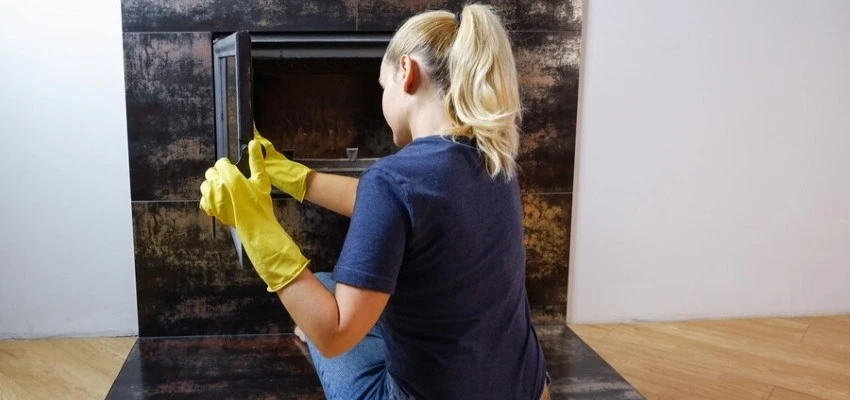
Gas Fireplace Cleaning, glass to burner ports
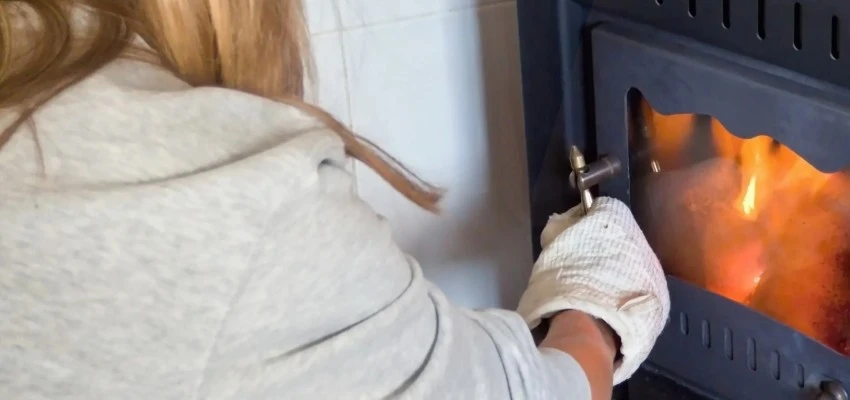
Burner ports, pilot hood, glass: Gas Fireplace Maintenance around Edmonton