It is easy to think of a chimney as a fireplace accessory, but it is also part of the roof, the walls and the frame of the house. When one piece fails, water and heat can reach places they were never meant to go. For homeowners in Edmonton who typed “chimney air vent services” into a search bar, the answers on this page explain chimney air vent service in everyday language, from the first warning signs to what happens once the work is done.
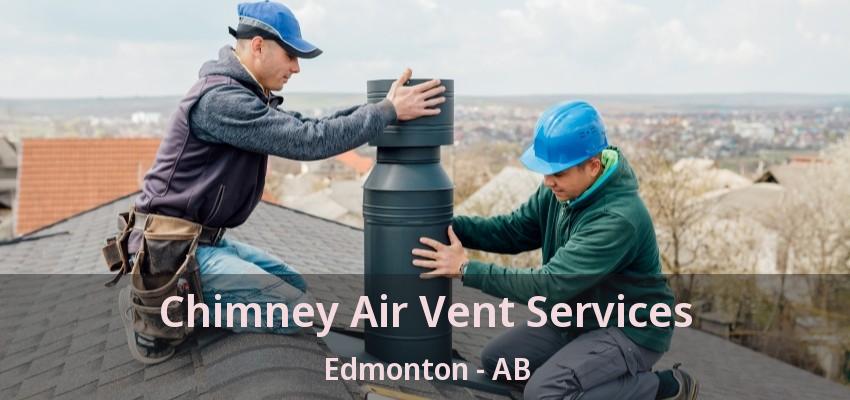
A chimney air vent is any opening or pipe that moves air to or from the fireplace system, and in practice we see two kinds. Fresh-air inlets for fireplaces and stoves often have a small flap that sticks, a screen clogged with debris or a duct crushed during a renovation. Appliance vent connectors, the pipes running from a furnace or water heater into the chimney, can rust, sag or separate at a joint. We check both for a clear path and a tight fit. Anything involving a gas appliance stays with a qualified gas technician, and a smell of gas means leaving the house and calling the utility from outside.
The most common signs show up as water, debris or poor performance. Watch for:
Outside, look for white staining on the bricks, gaps in mortar joints and a cap or flashing that looks loose. Any one of these is worth a closer look by someone who can reach the chimney safely.
Treat it as real: get everyone, pets included, out of the house and call 911 or the fire department from outside. Do not stay behind to open windows or hunt for the cause. Once the home has been cleared as safe, the venting needs a proper check before any fuel-burning appliance runs again, since a blocked flue, a loose vent connector or a starved fresh-air inlet can all push exhaust back indoors. People who search for “chimney air vent services” after an alarm should mention it when they call, so the technician starts with the vents, flue and connections serving the appliances closest to that alarm.
Not every repair needs the roof, and when one does, we plan safe access before we arrive. Work at the top of the stack means ladders, roof brackets or harnesses tied to a secure anchor, plus soft-soled footwear and pads to protect shingles. Steep or high roofs may call for extra equipment or a second technician. Wet, icy or very windy weather puts roof work on hold, because no repair is worth a fall. Jobs at the bottom of the chimney, such as an ash dump, a throat damper or a stove connection, keep us indoors, where the main concern is protecting floors and furniture from soot and dust.
A chimney repair visit normally starts with an inspection to confirm the problem and check for anything related. The technician protects the area around the fireplace and, for exterior work, sets up ladders or roof anchors. Then the damaged part is removed or prepared, whether that means grinding out mortar, cutting away old sealant, unbolting a cap or opening a damper assembly. New materials go in, and the work is checked for fit and weathertightness. At the end you should see the finished work or photos of it and hear about anything else that turned up along the way.
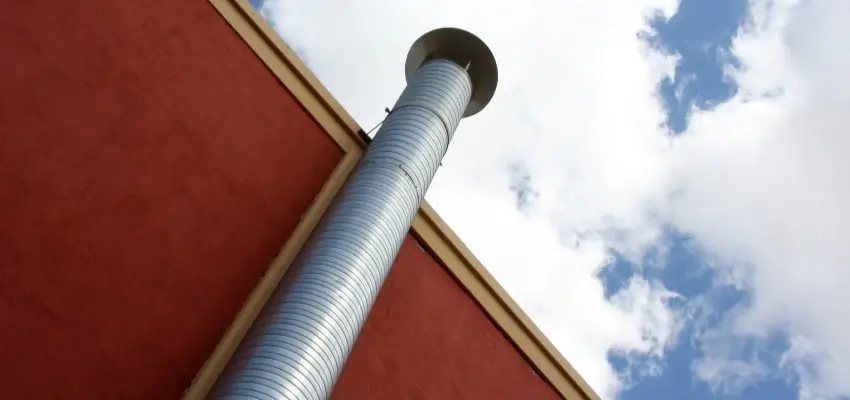
Small chimney repairs, such as replacing a cap, sealing a crown or freeing a damper, often take a few hours. Mid-sized jobs like new flashing, a new chase cover or a fan installation usually fit into a day. Larger masonry work, including repointing an entire stack or rebuilding the section above the roof, can take several days, because mortar and concrete need time to set between stages. Weather adds to the schedule for anything done outside, since rain and cold delay masonry. Ask for an estimate of both working time and total calendar time before the job is booked.
A clear hearth, a cold fireplace and room for a ladder cover most of what we need. We lay drop cloths in front of the fireplace, so a few feet of open floor helps, and glass doors or screens may need to come off. Outside, our ladders go on firm, level ground near the chimney; parked cars, garden beds and stored items in that spot slow the setup. We also like to know where the attic hatch or basement access is if the repair could involve them. Pets are happier in a closed room, since we will be going in and out of doors often.
Yes, because the new appliance may vent differently from the old one. Many high-efficiency units vent through plastic pipe out a side wall and stop using the chimney altogether, which can leave an older appliance, such as a water heater, alone in a flue that is now too large for it. Mid-efficiency units still use the chimney but may need a properly sized liner. If you are reading up on “chimney air vent services” after an equipment swap, ask that the flue size, connector and termination be confirmed. Changes to the gas appliances themselves belong with a qualified gas technician.
The questions that matter most are about cause, scope and surprises, and any capable chimney company can answer them in plain words. Cause: why is this happening, and how do you know? Scope: which parts are included, which materials, and is the chimney top part of the job? Surprises: what happens if rotten framing or a cracked flue tile turns up halfway through? It is also fair to ask who will be on your roof, how long new mortar needs before a fire and how the site will be left. We welcome these questions, because they lead to fewer misunderstandings later.
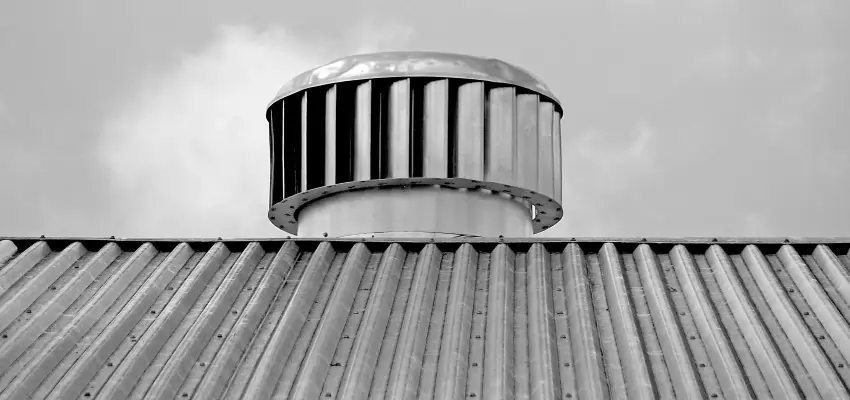
Tell us the days and hours that suit you and we will look for an opening that matches. We confirm the arrival window ahead of time so you can plan your day in Edmonton. Request a time for chimney air vent service.
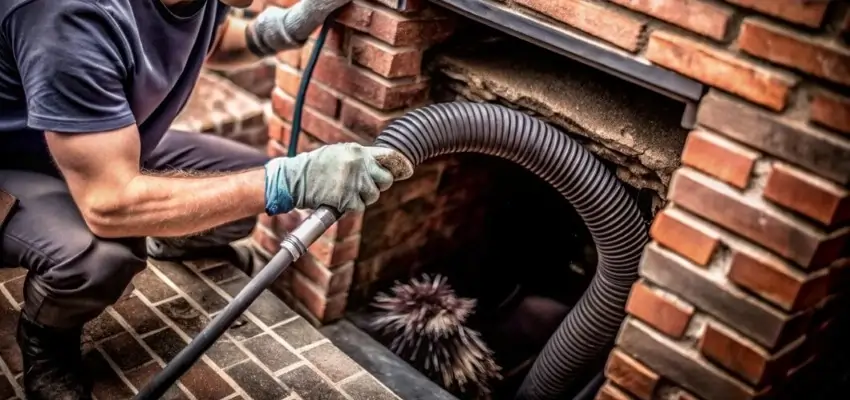
Less smoky smell, steadier flames: Chimney Cleaning around Edmonton
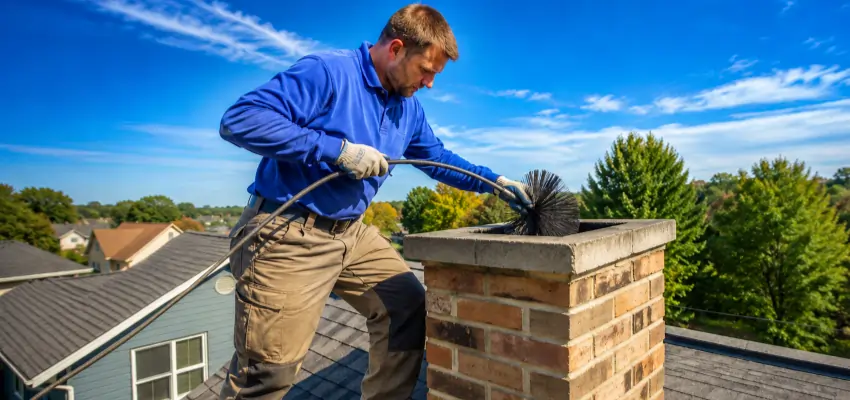
Creosote cleared, flue inspected: Chimney Sweep for Edmonton
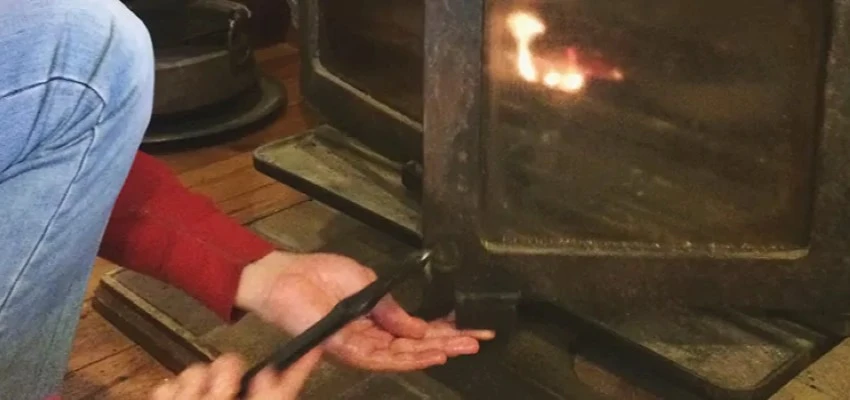
What's included in Chimney Sweep Services around Edmonton?
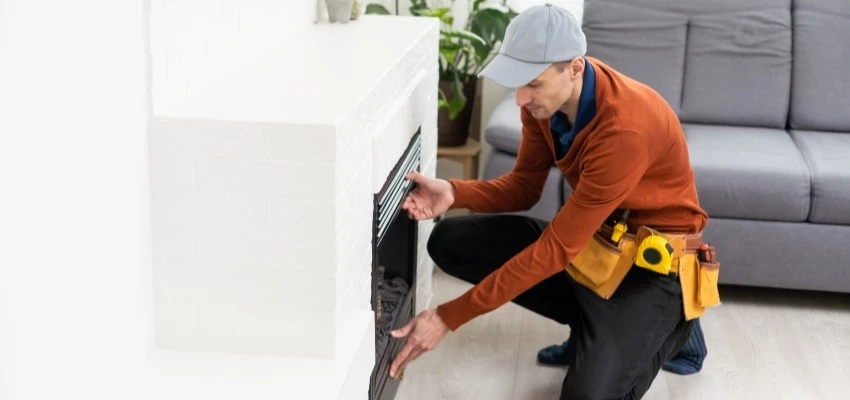
Before relighting in Edmonton, a visit from Fireplace Experts
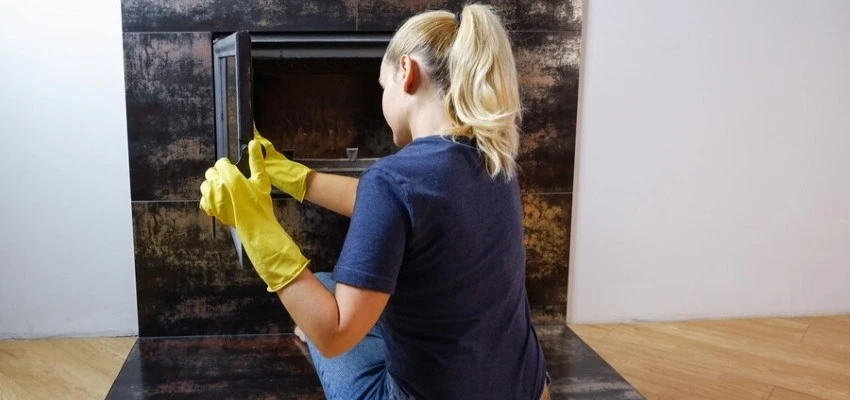
Gas Fireplace Cleaning, glass to burner ports
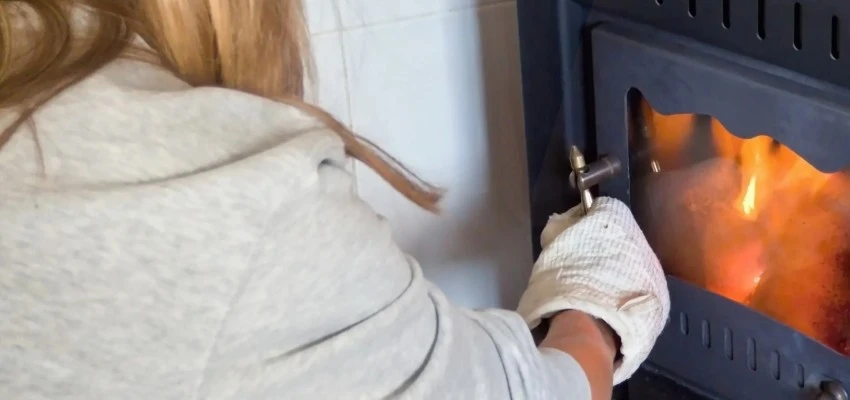
Burner ports, pilot hood, glass: Gas Fireplace Maintenance around Edmonton